If you have any questions, you are always welcome to contact us. We'll get back to you as soon as possible, withing 24 hours on weekdays.
Customer service
All questions about your order, return and delivery must be sent to our customer service team by e-mail at yourstore@yourdomain.com
Sale & Press
If you are interested in selling our products, need more information about our brand or wish to make a collaboration, please contact us at press@yourdomain.com
Help
If you have any questions, you are always welcome to contact us. We'll get back to you as soon as possible, withing 24 hours on weekdays.
Customer service
All questions about your order, return and delivery must be sent to our customer service team by e-mail at yourstore@yourdomain.com
Sale & Press
If you are interested in selling our products, need more information about our brand or wish to make a collaboration, please contact us at press@yourdomain.com
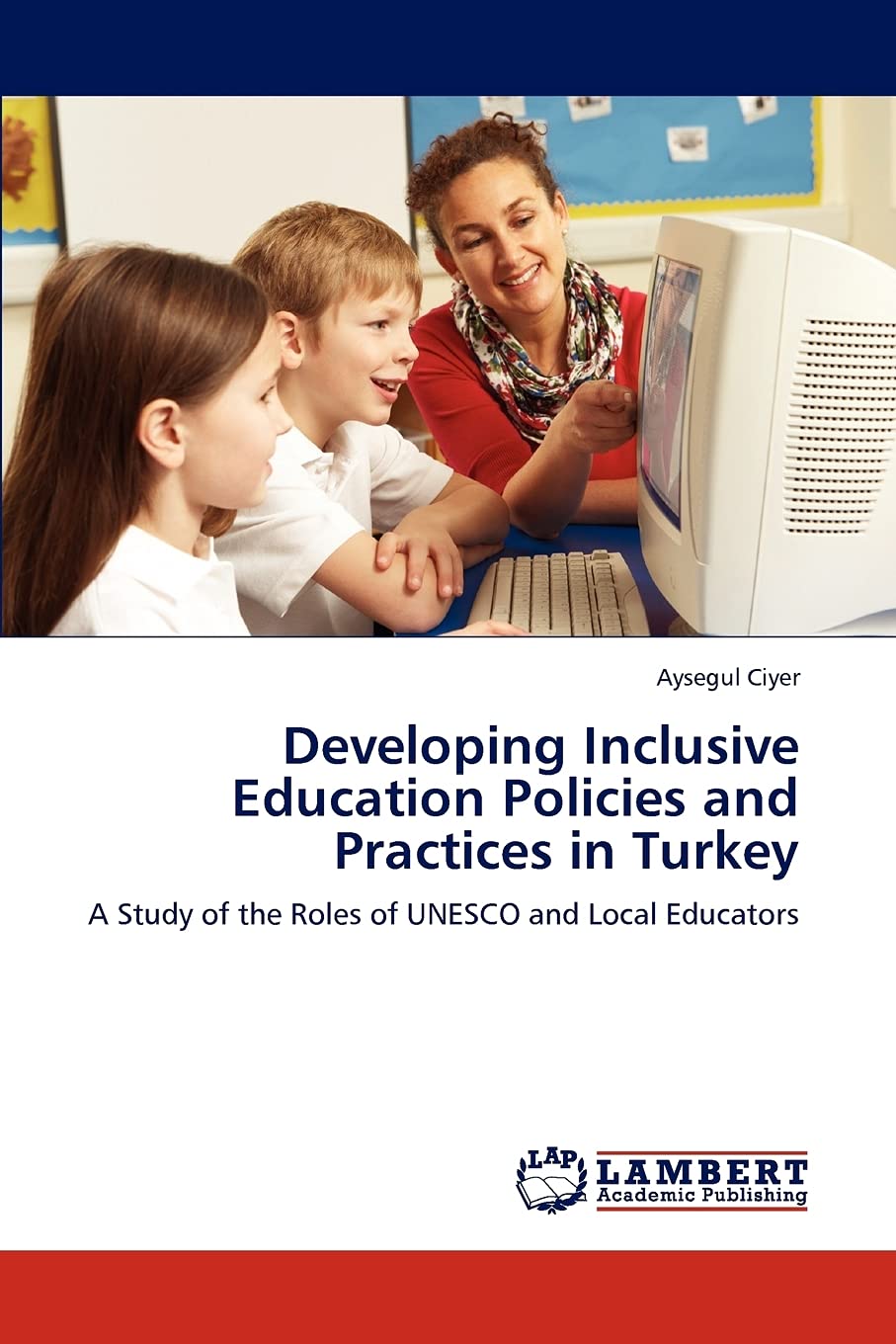
According to UNESCOs 2010 survey results of 58 member countries, 34 of the countries had less than 1 percent of children enrolled in special education programs. Ten of these countries provided special education provision for less than .01 percent of children. However, the demand to educate students with disabilities in inclusive educational settings continues to grow. Thus, there are many national initiatives aimed at finding ways of creating forms of inclusive educational settings that can respond to children with special needs. In this study, the purpose was to better understand the processes of local adaptation and modification of UNESCOs inclusive education policies, the possible resistances to global forces in inclusive education in Turkey, and the consequences of the implications of those policies in Ankara, Turkey from local educators views. With that goal in mind, recently adopted Turkish inclusive educational policies implemented after the Salamanca Statement in 1994 were reviewed on a selective basis.
⚠️ WARNING (California Proposition 65):
This product may contain chemicals known to the State of California to cause cancer,
birth defects, or other reproductive harm.
For MAP (Minimum Advertised Price) violations and Intellectual Property (IP) or Trademark concerns, please contact:
support@ergodebooks.com
⚠️ California Proposition 65 Warning: Some products sold on this website may expose you to chemicals known to the State of California to cause cancer, birth defects, or other reproductive harm. For more information, visit www.P65Warnings.ca.gov.