
Title
Development Through Bricolage (Earthscan Studies in Natural Resource Management),Used
Sold by Ergodebooks, an authorized reseller.
Returns accepted within 30 days | support@ergodebooks.com
Shipping Information
- Free Standard Shipping — United States only
- Processing Time: 3–5 business days
- Estimated Delivery: 6–10 business days after dispatch
- Double-boxed, fully insured & discreetly packaged
- Tracking number sent via email once dispatched
Returns & Refund
Returns accepted within 30 days of delivery.
Damaged or Defective Item
Free return shipping + replacement or full refund
Wrong Item Received
Free return shipping + replacement or full refund
Change of Mind
Return shipping at customer's expense · 25% restocking fee applies
Payment Option

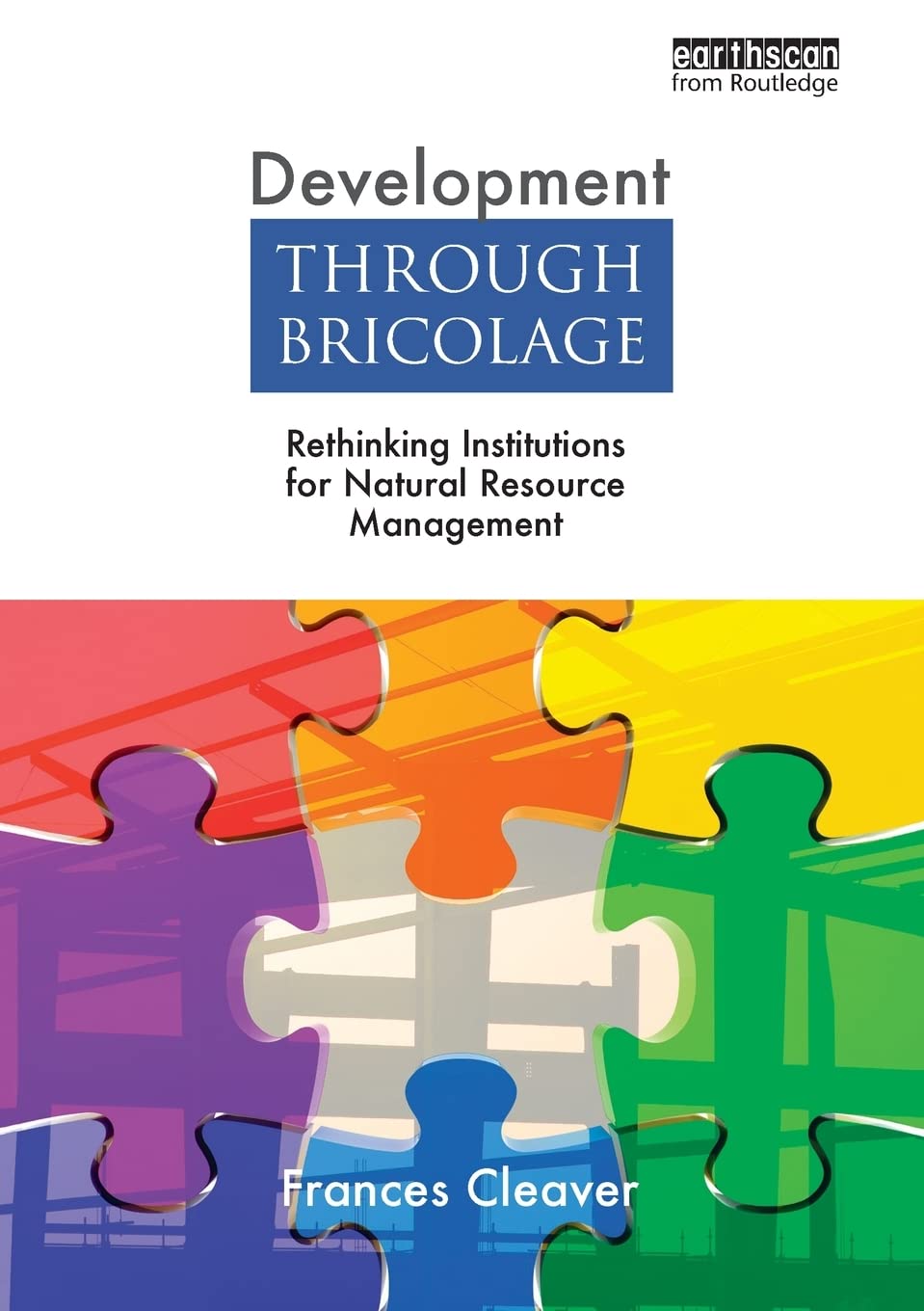
Why, despite an emphasis on 'getting institutions right', do development initiatives so infrequently deliver as planned? Why do many institutions designed for natural resource management (e.g. Water User Associations, Irrigation Committees, Forest Management Councils) not work as planners intended? This book disputes the model of development by design and argues that institutions are formed through the uneven patching together of old practices and accepted norms with new arrangements. The managing of natural resources and delivery of development through such processes of 'bricolage' is likened to 'institutional 'DIY' rather than engineering or design.The author explores the processes involved in institutional bricolage; the constant renegotiation of norms, the reinvention of tradition, the importance of legitimate authority and the role of people themselves in shaping such arrangements. Bricolage is seen as an inevitable, but not always benign process; the extent to which it reproduces social inequalities or creates space for challenging them is also considered. The book draws on a number of contemporary strands of development thinking about collective action, participation, governance, natural resource management, political ecology and wellbeing. It synthesises these to develop new understandings of why and how people act to manage resources and how access is secured or denied. A variety of case studies ranging from the management of water (Zimbabwe, India, Pakistan), conflict and cooperation over land, grazing and water (Tanzania), and the emergence of community management of forests (Sweden, Nepal), illustrate the context specific and generalised nature of bricolage and the resultant challenges for development policy and practice.
⚠️ WARNING (California Proposition 65):
This product may contain chemicals known to the State of California to cause cancer, birth defects, or other reproductive harm.
For more information, please visit www.P65Warnings.ca.gov.