If you have any questions, you are always welcome to contact us. We'll get back to you as soon as possible, withing 24 hours on weekdays.
Customer service
All questions about your order, return and delivery must be sent to our customer service team by e-mail at yourstore@yourdomain.com
Sale & Press
If you are interested in selling our products, need more information about our brand or wish to make a collaboration, please contact us at press@yourdomain.com
Help
If you have any questions, you are always welcome to contact us. We'll get back to you as soon as possible, withing 24 hours on weekdays.
Customer service
All questions about your order, return and delivery must be sent to our customer service team by e-mail at yourstore@yourdomain.com
Sale & Press
If you are interested in selling our products, need more information about our brand or wish to make a collaboration, please contact us at press@yourdomain.com
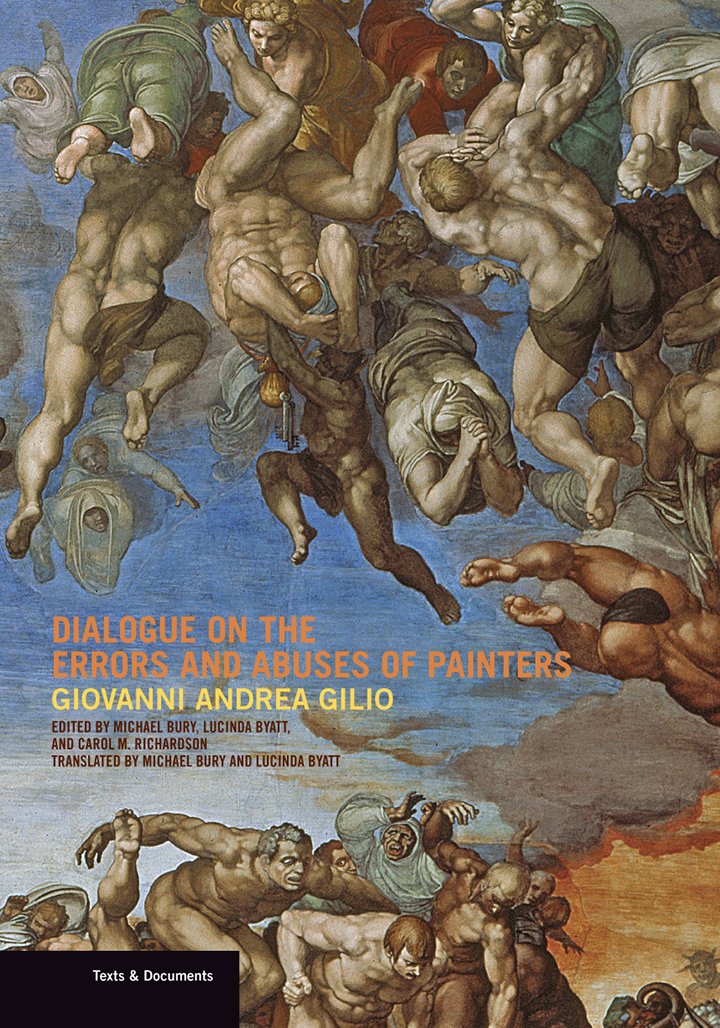
Giovanni Andrea Gilios Dialogue on the Errors and Abuses of Painters (1564) is one of the first treatises on art published in the postTridentine period. It remains a key primary source for the discussion of the reform of art as it unfolded at the time of the Council of Trent and the Catholic Reformation.Relatively little is known about Gilio himself, a cleric from Fabriano, Italy. He was evidently familiar with Cardinal Alessandro Farneses lively court circle in Rome and dedicated his book to the cardinal. His textavailable here in English in full for the first timetakes the form of a spirited dialogue among six protagonists, using the voices of each to present different points of view. Through their dialogue Gilio grapples with a host of issues, from the relationship between poetry and painting, to the function of religious images, to the effects such images have on viewers. The primary focus is the proper representation of history, and Michelangelos Last Judgment fresco in the Sistine Chapel is the exemplary case. Indeed, Michelangelos painting is both praised and condemned as an example of the possibilities and limits of art. Although Gilios dialogue is often quoted by art historians to point out the more controlling view of art and artists by the Roman Catholic Church, the unabridged text reveals the nuanced and provisional debates happening during this critical era.
⚠️ WARNING (California Proposition 65):
This product may contain chemicals known to the State of California to cause cancer,
birth defects, or other reproductive harm.
For MAP (Minimum Advertised Price) violations and Intellectual Property (IP) or Trademark concerns, please contact:
support@ergodebooks.com
⚠️ California Proposition 65 Warning: Some products sold on this website may expose you to chemicals known to the State of California to cause cancer, birth defects, or other reproductive harm. For more information, visit www.P65Warnings.ca.gov.