
Title
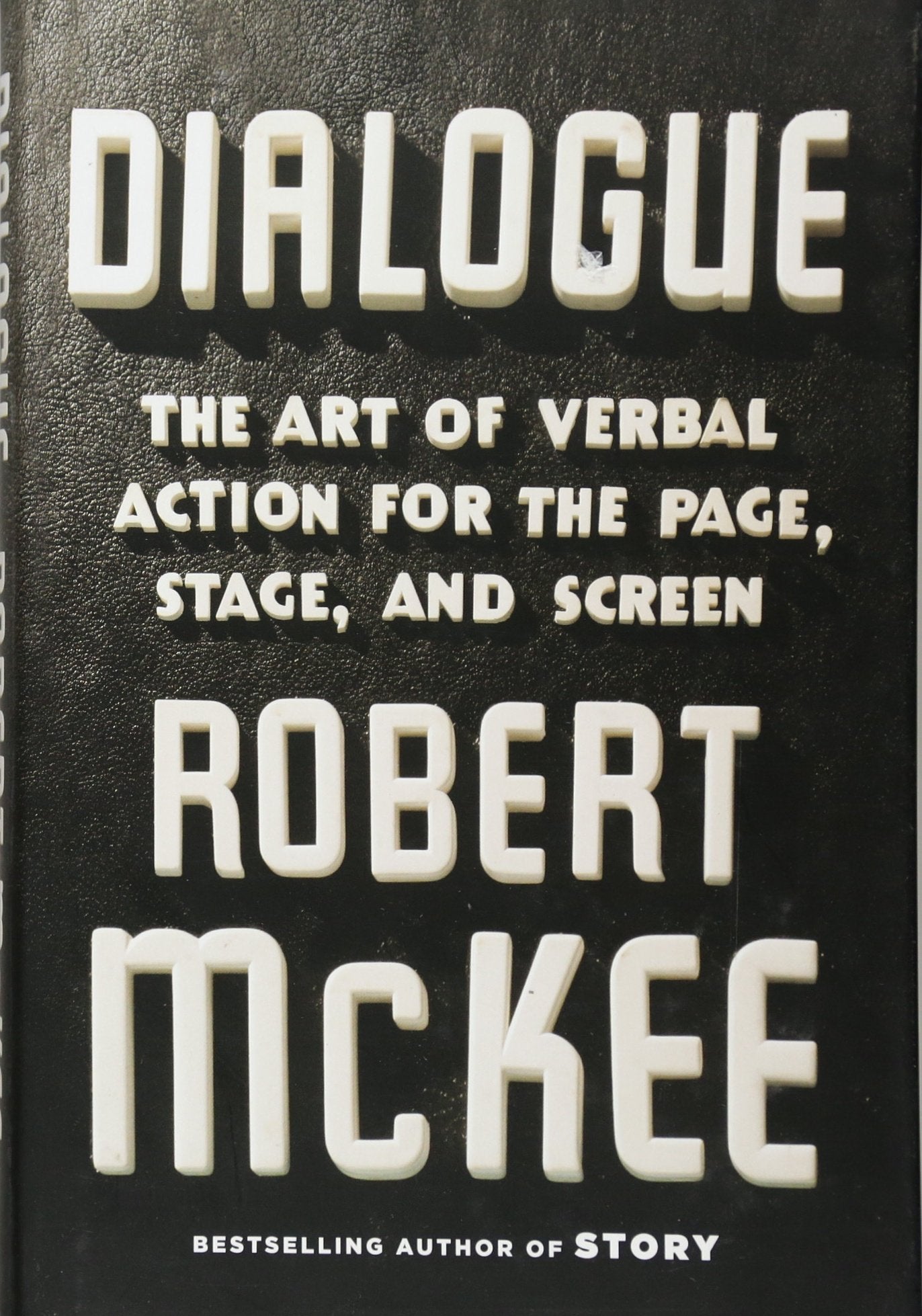
Dialogue: The Art of Verbal Action for Page, Stage, and Screen,New
Sold by Ergodebooks, an authorized reseller.
Returns accepted within 30 days | support@ergodebooks.com
Shipping Information
- Free Standard Shipping — United States only
- Processing Time: 3–5 business days
- Estimated Delivery: 6–10 business days after dispatch
- Double-boxed, fully insured & discreetly packaged
- Tracking number sent via email once dispatched
Returns & Refund
Returns accepted within 30 days of delivery.
Damaged or Defective Item
Free return shipping + replacement or full refund
Wrong Item Received
Free return shipping + replacement or full refund
Change of Mind
Return shipping at customer's expense · 25% restocking fee applies
Payment Option

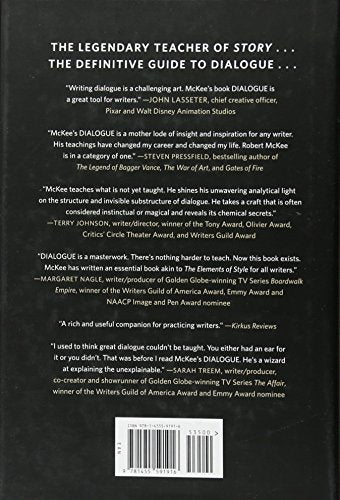
The longawaited followup to the perennially bestselling writers' guide Story, from the most soughtafter expert in the art of storytelling.Robert McKee's popular writing workshops have earned him an international reputation. The list of alumni with Oscars runs off the page. The cornerstone of his program is his singular book, Story, which has defined how we talk about the art of story creation.Now, in Dialogue, McKee offers the same indepth analysis for how characters speak on the screen, on the stage, and on the page in believable and engaging ways. From Macbeth to Breaking Bad, McKee deconstructs key scenes to illustrate the strategies and techniques of dialogue. Dialogue applies a framework of incisive thinking to instruct the prospective writer on how to craft artful, impactful speech. Famous McKee alumni include Peter Jackson, Jane Campion, Geoffrey Rush, Paul Haggis, the writing team for Pixar, and many others.
⚠️ WARNING (California Proposition 65):
This product may contain chemicals known to the State of California to cause cancer, birth defects, or other reproductive harm.
For more information, please visit www.P65Warnings.ca.gov.
- Q: What is the page count of this book? A: This book has three hundred thirty-six pages. It offers an in-depth exploration of dialogue in storytelling.
- Q: What type of binding does this book have? A: This book is hardcover. The binding adds durability, making it suitable for frequent use.
- Q: What is the size of this book? A: The dimensions of this book are nine point four one inches in length, six point four two inches in height, and one point three five inches in width.
- Q: How can I apply the techniques from this book? A: You can apply the techniques by analyzing dialogue in scripts, plays, and novels. The book provides examples and strategies for writing engaging dialogue.
- Q: Is this book suitable for beginners in writing? A: Yes, this book is suitable for beginners. It breaks down complex dialogue techniques into understandable concepts that can help new writers.
- Q: What genre does this book belong to? A: This book falls under the Performing Arts genre. It focuses on storytelling and dialogue for various media.
- Q: How do I care for this hardcover book? A: To care for this book, keep it in a dry place and avoid exposure to direct sunlight. Clean it gently with a soft cloth if necessary.
- Q: Can this book be stored with other hardcover books? A: Yes, this book can be stored with other hardcover books. Ensure it is placed upright on a shelf to maintain its condition.
- Q: Is there a warranty or return policy for this book? A: Typically, books do not come with a warranty, but you can check the return policy with the seller. Most retailers offer a return option for damaged items.
- Q: What if the book arrives damaged? A: If the book arrives damaged, contact the retailer immediately for a return or exchange. Keep the original packaging for the return process.
- Q: How does this book compare to other writing guides? A: This book is unique as it focuses specifically on dialogue, while many other writing guides cover broader topics. It offers detailed analysis from a storytelling expert.
- Q: Is this book recommended for advanced writers? A: Yes, this book is recommended for advanced writers as well. It provides deep insights into dialogue that can enhance even seasoned writers' skills.
- Q: What themes are explored in this book? A: The book explores themes of character communication, storytelling techniques, and the art of dialogue across various formats, including film and theater.
- Q: Who is the author of this book? A: The author of this book is Robert McKee. He is well-known for his expertise in storytelling and has conducted writing workshops globally.
- Q: Does this book cover real-life dialogue examples? A: Yes, this book includes real-life dialogue examples from well-known works like Macbeth and Breaking Bad, illustrating effective dialogue techniques.