
Title
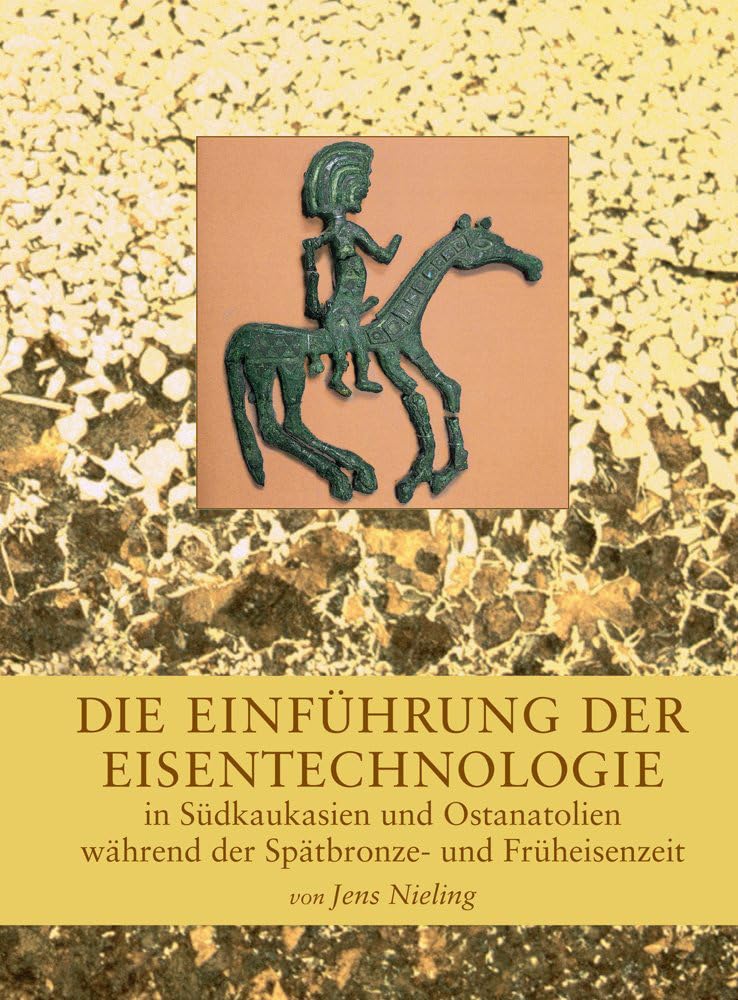
Die Einfuehrung Der Eisentechnologie In Suedkaukasien Und Ostanatolien Whrend Der Sptbronze Und Frueheisenzeit (Black Sea Studi
Sold by Ergodebooks, an authorized reseller.
Returns accepted within 30 days | support@ergodebooks.com
Shipping Information
- Free Standard Shipping — United States only
- Processing Time: 3–5 business days
- Estimated Delivery: 6–10 business days after dispatch
- Double-boxed, fully insured & discreetly packaged
- Tracking number sent via email once dispatched
Returns & Refund
Returns accepted within 30 days of delivery.
Damaged or Defective Item
Free return shipping + replacement or full refund
Wrong Item Received
Free return shipping + replacement or full refund
Change of Mind
Return shipping at customer's expense · 25% restocking fee applies
Payment Option

This German Doctoral Thesis Challenges The Orthodox View That The Southcaucasian Culture Of The Late Bronze Age Played A Decisive Role In Early Iron Production. The Region Is Characterized, On The Contrary, As A Traditionallybound Aristocratic Society With An Impressive Bronze Industry. It Was Instead The Underestimated Nomad Population Of Southeastern Turkey That First Made Use Of The New Metal And Discovered The Art Of Steel Making. Climatic Changes Forced A Southward Migration, Which Not Only Brought The Two Cultures Into Contact, But Also Into Conflict, With Each Other. However, A Process Of Successful Acculturation Finally Resulted In The Creation Of The Urartian Empire. While For Some Time The Neighbouring Assyrian And Neohittite States Remained Hesitant Towards The Adoption Of Advanced Iron Technology, This Soon Changed When They Recognized The Opportunity For Cheap Massproduction. Text In German With English Summary.
⚠️ WARNING (California Proposition 65):
This product may contain chemicals known to the State of California to cause cancer, birth defects, or other reproductive harm.
For more information, please visit www.P65Warnings.ca.gov.
- Q: What is the page count of the book? A: The book has three hundred sixty-three pages. It provides an in-depth analysis of iron production during the Late Bronze Age.
- Q: What are the dimensions of the book? A: The book measures seven point zero nine inches in length, one point one inches in width, and nine point six nine inches in height.
- Q: What type of binding does this book have? A: The book is bound in hardcover. This ensures durability and longevity for readers.
- Q: Who is the author of the book? A: The author is Jens Nieling. He presents a scholarly perspective on the iron technology in historical contexts.
- Q: What language is the book written in? A: The book is primarily written in German. It also includes an English summary for broader accessibility.
- Q: What is the genre of this book? A: The book falls under historical academic literature. It focuses on cultural and technological developments in ancient periods.
- Q: How does the book contribute to historical understanding? A: The book challenges traditional views on iron production's origins. It suggests that nomadic communities played a key role.
- Q: Is this book suitable for casual readers? A: This book is primarily aimed at academic audiences and scholars. Casual readers may find it dense due to its scholarly nature.
- Q: Can this book be used for research purposes? A: Yes, the book is an excellent resource for research. It offers detailed insights into Late Bronze Age cultures and technologies.
- Q: What topics are covered in the book? A: The book covers topics like cultural interactions, iron technology, and the formation of the Urartian Empire. It provides a comprehensive view.
- Q: How should I store this book? A: Store the book upright on a shelf in a cool, dry place. This helps maintain its condition and prevents damage.
- Q: Can I clean the book if it gets dirty? A: Yes, gently wipe the cover with a soft, dry cloth. Avoid using liquids as they may damage the pages.
- Q: Is the book safe for children? A: No, the book is intended for adult readers and scholars. Its complex themes may not be suitable for children.
- Q: What if the book arrives damaged? A: If the book arrives damaged, contact customer service for a return or exchange. They will guide you through the process.
- Q: Is there a warranty for the book? A: Typically, books do not come with warranties. However, check with the retailer for their specific return policy.
- Q: How can I find more books like this one? A: Explore academic publishers or university press catalogs. They often have similar historical and scholarly texts.