
Title
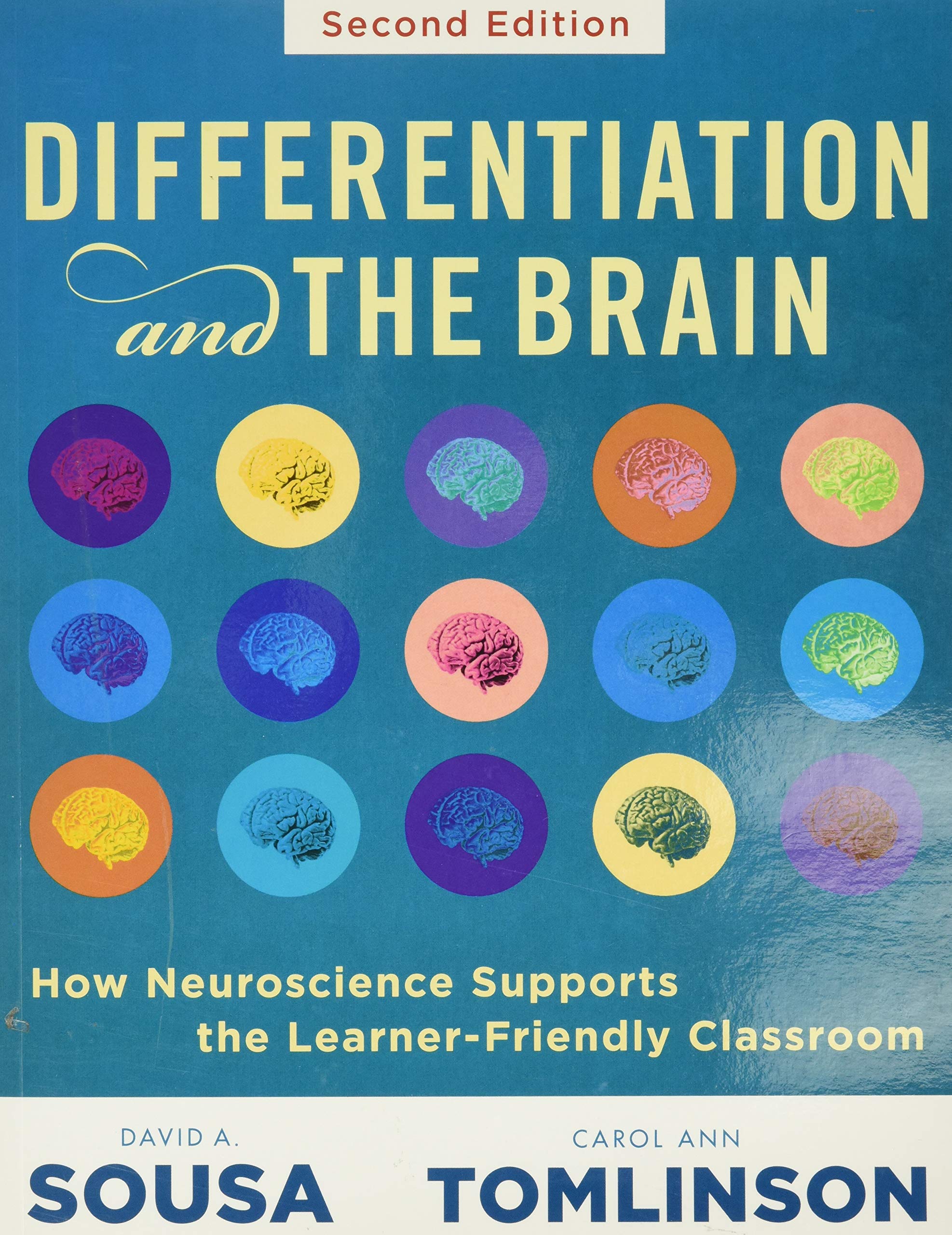
Differentiation and the Brain: How Neuroscience Supports the LearnerFriendly Classroom (Use BrainBased Learning and Neuroeduca,Used
Sold by Ergodebooks, an authorized reseller.
Returns accepted within 30 days | support@ergodebooks.com
Shipping Information
- Free Standard Shipping — United States only
- Processing Time: 3–5 business days
- Estimated Delivery: 6–10 business days after dispatch
- Double-boxed, fully insured & discreetly packaged
- Tracking number sent via email once dispatched
Returns & Refund
Returns accepted within 30 days of delivery.
Damaged or Defective Item
Free return shipping + replacement or full refund
Wrong Item Received
Free return shipping + replacement or full refund
Change of Mind
Return shipping at customer's expense · 25% restocking fee applies
Payment Option

Students are becoming more academically and culturally diverse, making it more important than ever to shift away from a onesizefitsall approach and toward differentiated instruction. The second edition of this bestselling book will help you create truly effective, brainfriendly classrooms for all learners. The authors share an array of updated differentiated instruction examples, scenarios, and exercises, as well as the latest educational psychology research from cognitive psychology, neuroscience, and pedagogy.Learn more about teaching diverse learners using brainbased learning strategies: Explore how the brain learns and approaches to differentiated instruction. Sharpen your knowledge of developmental cognitive neuroscience and educational psychology to teach the best content in the best possible way. Use the knowledge of educational neuroscience (neuroeducation) to benefit the students you teach. Design and implement strategies for effective differentiated instruction. Create a positive and productive learning environment that supports diversity in the classroom.A joint publication of ASCD and Solution TreeContents:IntroductionChapter 1: The Nonnegotiables of Effective DifferentiationChapter 2: Mindset, Learning Environment, and DifferentiationChapter 3: Curriculum and DifferentiationChapter 4: Classroom Assessment and DifferentiationChapter 5: Differentiating in Response to Student ReadinessChapter 6: Differentiating in Response to Student InterestChapter 7: Differentiating in Response to Student Learning ProfileChapter 8: Managing a Differentiated ClassroomReferences and ResourcesIndex
⚠️ WARNING (California Proposition 65):
This product may contain chemicals known to the State of California to cause cancer, birth defects, or other reproductive harm.
For more information, please visit www.P65Warnings.ca.gov.
- Q: What is the main focus of 'Differentiation and the Brain'? A: The book focuses on how neuroscience supports differentiated instruction to create effective, brain-friendly classrooms that cater to diverse learners.
- Q: Who is the author of this book? A: The author of 'Differentiation and the Brain' is David A. Sousa.
- Q: What edition of the book is available? A: This is the second edition of 'Differentiation and the Brain', published on February 20, 2018.
- Q: How many pages does the book have? A: The book contains 240 pages.
- Q: Is this book suitable for new educators? A: Yes, the book provides valuable insights and strategies for educators at all levels, including new teachers looking to implement differentiated instruction.
- Q: What are some key topics covered in the book? A: Key topics include effective differentiation strategies, classroom assessment, managing a differentiated classroom, and responding to student readiness, interest, and learning profiles.
- Q: What is the binding type of the book? A: The book is available in perfect binding.
- Q: What is the condition of the book? A: The book is brand new.
- Q: Can this book help with classroom management? A: Yes, it includes strategies for managing a differentiated classroom effectively.
- Q: Is 'Differentiation and the Brain' backed by research? A: Yes, the book incorporates the latest research from cognitive psychology, neuroscience, and pedagogy to support its strategies for teaching diverse learners.