
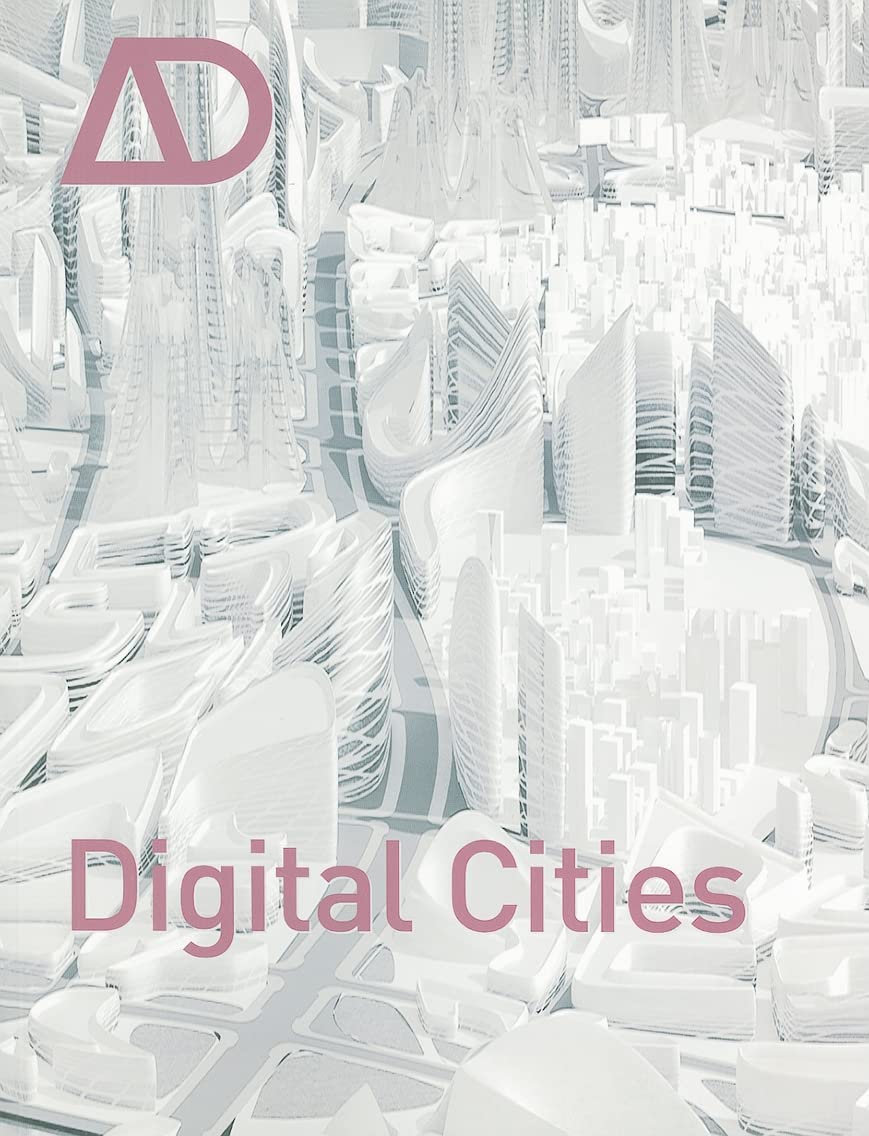
Title
Digital Cities,New
Sold by Ergodebooks, an authorized reseller.
Returns accepted within 30 days | support@ergodebooks.com
Shipping Information
- Free Standard Shipping — United States only
- Processing Time: 3–5 business days
- Estimated Delivery: 6–10 business days after dispatch
- Double-boxed, fully insured & discreetly packaged
- Tracking number sent via email once dispatched
Returns & Refund
Returns accepted within 30 days of delivery.
Damaged or Defective Item
Free return shipping + replacement or full refund
Wrong Item Received
Free return shipping + replacement or full refund
Change of Mind
Return shipping at customer's expense · 25% restocking fee applies
Payment Option

Guestedited By Neil Leachwhat Is The Impact Of Digital Technologies On The Design And Analysis Of Cities? For The Last 15 Years, The Profound Impact Of Computeraided Techniques On Architecture Has Been Well Charted. From The Use Of Standard Drafting Packages To The More Experimental Use Of Generative Design Tools And Parametric Modelling, Digital Technologies Have Come To Play A Major Role In Architectural Production. But How Are They Helping Architects And Designers To Operate At The Urban Scale? And How Might They Be Changing The Way In Which We Perceive And Understand Our Cities? Features Some Of The Worlds Leading Experimental Practices, Such As Zaha Hadid Architects, R&Sie(N), Biothing And Xefirotarch. Takes In Exciting Emerging Practices, Such As Moh Architects, Kokkugia And Theverymany, And Work By Students At Some Of The Most Progressive Schools, Such As The Aa, Dessau Institute Of Architecture And Rmit. Contributors Include: Michael Batty, Benjamin Bratton, Alain Chiaradia, Manuel Delanda, Vicente Guallart And Peter Trummer.
⚠️ WARNING (California Proposition 65):
This product may contain chemicals known to the State of California to cause cancer, birth defects, or other reproductive harm.
For more information, please visit www.P65Warnings.ca.gov.
- Q: What is the size of the book Digital Cities? A: The book measures eight point two inches in length, zero point four inches in width, and ten point seventy-one inches in height.
- Q: How many pages does Digital Cities have? A: Digital Cities contains one hundred thirty-six pages, providing an extensive overview of digital technologies in architecture.
- Q: What type of binding does Digital Cities use? A: Digital Cities is published in a paperback binding, making it lightweight and easy to handle.
- Q: Who is the author of Digital Cities? A: The book is authored by Neil Leach, a prominent figure in architectural theory and practice.
- Q: What is the main theme of Digital Cities? A: Digital Cities explores the impact of digital technologies on the design and analysis of urban environments.
- Q: Can beginners understand the content in Digital Cities? A: Yes, the content is accessible to beginners, while also providing insights for seasoned professionals in architecture.
- Q: Is Digital Cities suitable for students? A: Yes, the book includes contributions from students at leading architecture schools, making it relevant for academic studies.
- Q: What type of content can I expect in Digital Cities? A: Expect essays and projects from leading experimental architecture practices and discussions on technological impacts on cities.
- Q: How should I store Digital Cities to keep it in good condition? A: Store Digital Cities in a cool, dry place, away from direct sunlight to prevent fading and damage.
- Q: Can I clean the cover of Digital Cities? A: Yes, you can gently wipe the cover with a soft, dry cloth to remove dust and prevent buildup.
- Q: What if Digital Cities arrives damaged? A: If Digital Cities arrives damaged, you should contact customer support for return or replacement options.
- Q: Is there a warranty for Digital Cities? A: Typically, books like Digital Cities do not come with a warranty, but check the retailer’s return policy.
- Q: How do I return Digital Cities if I don’t like it? A: To return Digital Cities, follow the return instructions provided by the retailer at the time of purchase.
- Q: What makes Digital Cities different from other architecture books? A: Digital Cities uniquely focuses on the intersection of digital technology and urban design, featuring innovative practices.
- Q: Are there any notable contributors in Digital Cities? A: Yes, notable contributors include Michael Batty, Benjamin Bratton, and Manuel DeLanda, among others.
- Q: Is Digital Cities appropriate for adult readers only? A: No, while it targets professionals, it is also suitable for students and anyone interested in architecture and urbanism.