
Title
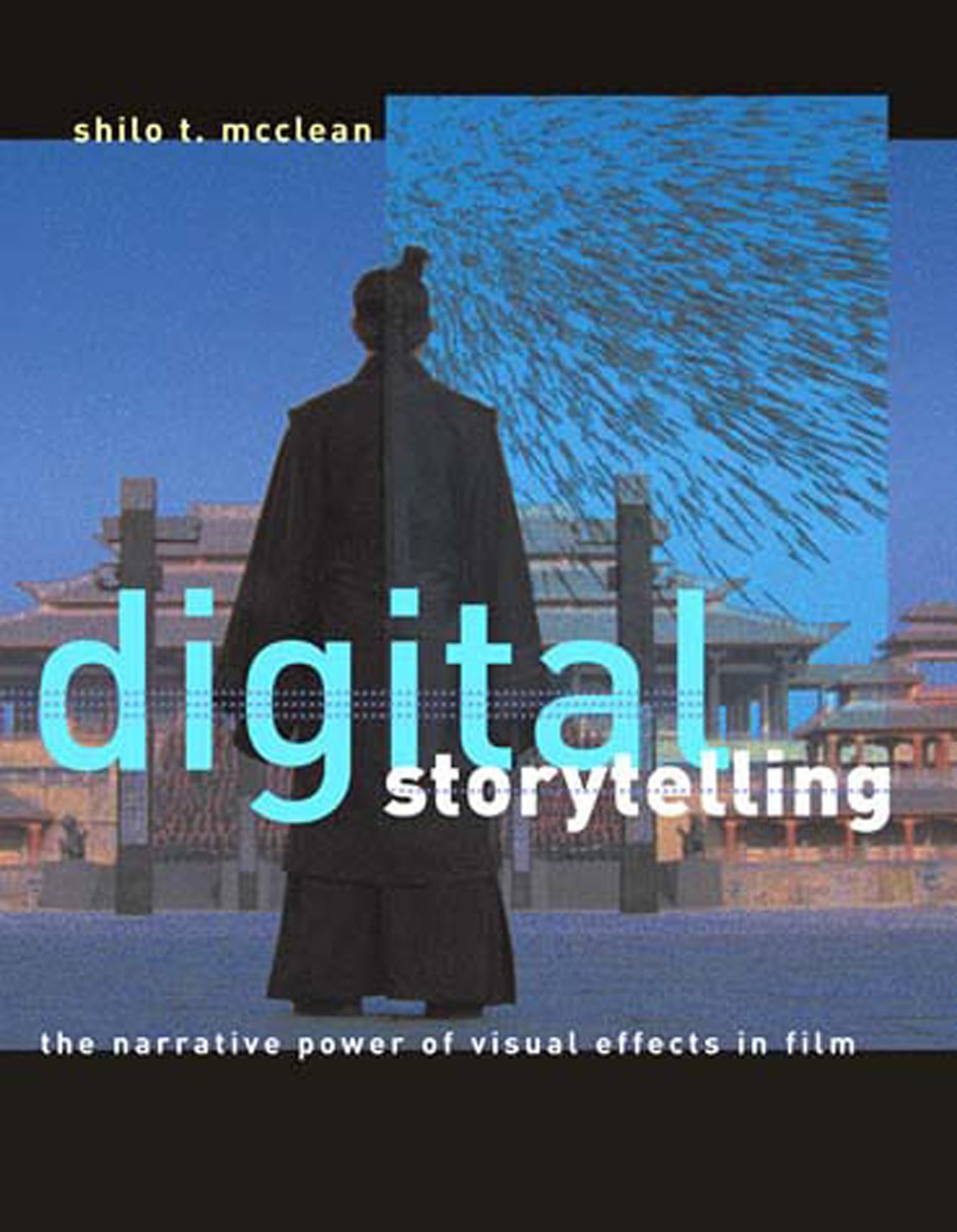
Digital Storytelling: The Narrative Power of Visual Effects in Film (Mit Press),New
Sold by Ergodebooks, an authorized reseller.
Returns accepted within 30 days | support@ergodebooks.com
Shipping Information
- Free Standard Shipping — United States only
- Processing Time: 3–5 business days
- Estimated Delivery: 6–10 business days after dispatch
- Double-boxed, fully insured & discreetly packaged
- Tracking number sent via email once dispatched
Returns & Refund
Returns accepted within 30 days of delivery.
Damaged or Defective Item
Free return shipping + replacement or full refund
Wrong Item Received
Free return shipping + replacement or full refund
Change of Mind
Return shipping at customer's expense · 25% restocking fee applies
Payment Option

How digital visual effects in film can be used to support storytelling: a guide for scriptwriters and students.Computergenerated effects are often blamed for bad Hollywood movies. Yet when a critic complains that 'technology swamps storytelling' (in a review of Van Helsing, calling it 'an example of everything that is wrong with Hollywood computergenerated effects movies'), it says more about the weakness of the story than the strength of the technology. In Digital Storytelling, Shilo McClean shows how digital visual effects can be a tool of storytelling in film, adding narrative power as do sound, color, and 'experimental' camera anglesother innovative film technologies that were once criticized for being distractions from the story. It is time, she says, to rethink the function of digital visual effects.Effects artists saycontrary to the criticsthat effects always derive from story. Digital effects are a part of production, not postproduction; they are becoming part of the story development process. Digital Storytelling is grounded in filmmaking, the scriptwriting process in particular. McClean considers crucial questions about digital visual effectswhether they undermine classical storytelling structure, if they always call attention to themselves, whether their use is limited to certain genresand looks at contemporary films (including a chapterlong analysis of Steven Spielberg's use of computergenerated effects) and contemporary film theory to find the answers. McClean argues that to consider digital visual effects as simply contributing the 'wow' factor underestimates them. They are, she writes, the legitimate inheritors of film storycraft.
⚠️ WARNING (California Proposition 65):
This product may contain chemicals known to the State of California to cause cancer, birth defects, or other reproductive harm.
For more information, please visit www.P65Warnings.ca.gov.