
Title
Directors Of Central Intelligence And Leaders Of The U.S. Intelligence Community,Used
Sold by Ergodebooks, an authorized reseller.
Returns accepted within 30 days | support@ergodebooks.com
Shipping Information
- Free Standard Shipping — United States only
- Processing Time: 3–5 business days
- Estimated Delivery: 6–10 business days after dispatch
- Double-boxed, fully insured & discreetly packaged
- Tracking number sent via email once dispatched
Returns & Refund
Returns accepted within 30 days of delivery.
Damaged or Defective Item
Free return shipping + replacement or full refund
Wrong Item Received
Free return shipping + replacement or full refund
Change of Mind
Return shipping at customer's expense · 25% restocking fee applies
Payment Option

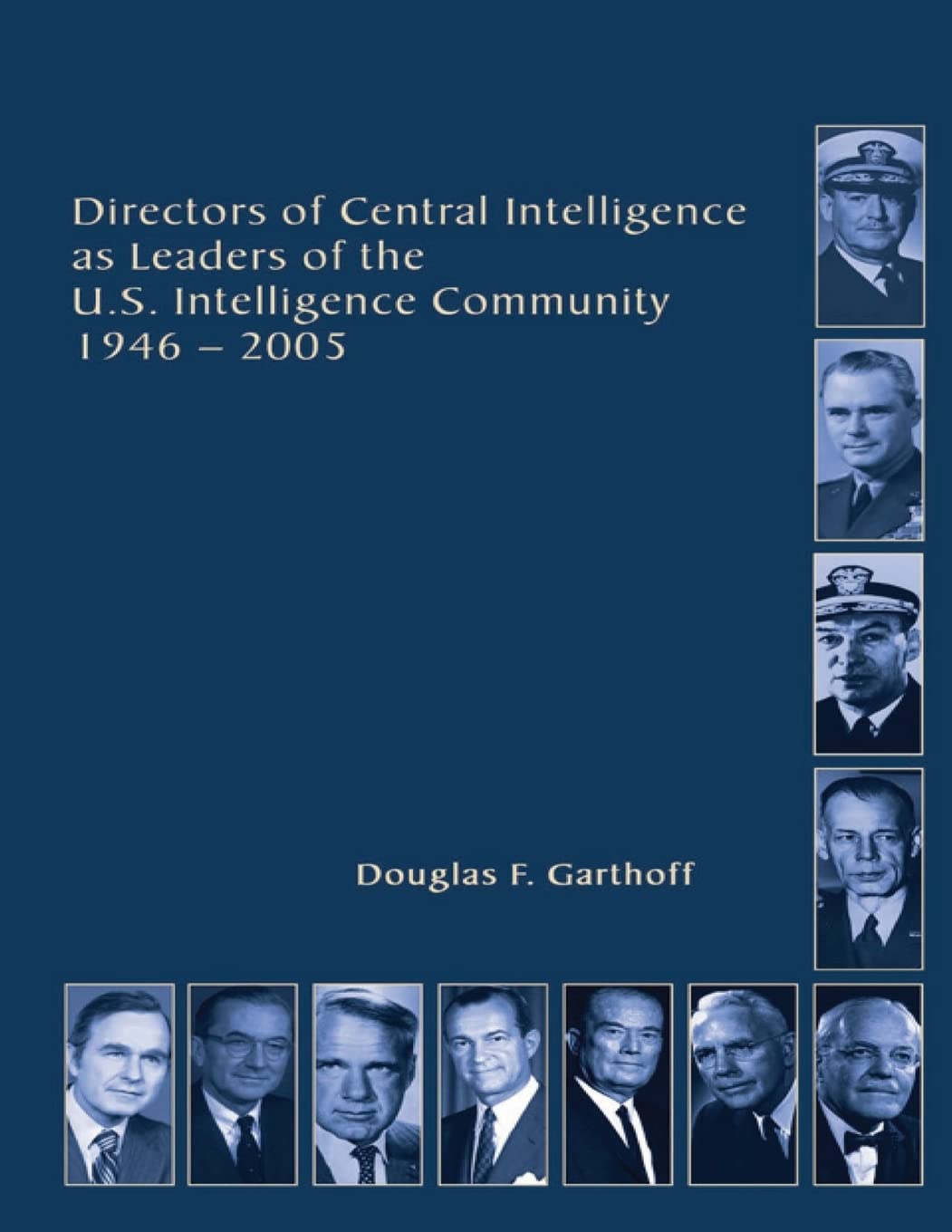
In the wake of 11 September 2001, the issue of homeland security spawned a vibrant public discussion about the need to coordinate a wide range of federal governmental activities to achieve greater security for the United States. Congress enacted laws that established a new executive department, the Department of Homeland Security, and a new federal intelligence chief, the director of national intelligence. In both cases, the objective was to integrate activities of disparate organizations better in order to improve critical government functions. In fact, for more than half a century, there have been numerous efforts to enhance cooperation among the many parts of the nations intelligence establishment under the leadership of a principal intelligence official, called the director of central intelligence. The story of this study is what the nations leaders expected of directors of central intelligence in accomplishing this task, and how those who held the responsibility attempted to carry it out. The hope is that lessons drawn from that experience can inform todays ongoing debate about how best the new director of national intelligence can accomplish Americas national intelligence mission. The study presents an unusual perspective. Examinations of past intelligence performance often focus on how intelligence has played a role in specific circumstances. Studies of directors of central intelligence have usually stressed how they led the Central Intelligence Agency, conducted their relationships with the president, or affected US policy. No study until this one has focused on how each director sought to fulfill his community role. This book was prepared under the auspices of the Center for the Study of Intelligence by Dr. Douglas F. Garthoff, a former CIA analyst and senior manager. It reflects the authors deep experience in Intelligence Community affairs as well as his extensive research and interviews. Dr. Garthoffs study represents a valuable contribution to our professional literature and a rich source of insights at a moment when the responsibilities and authorities of the Intelligence Communitys senior leadership are again in the public spotlight.
⚠️ WARNING (California Proposition 65):
This product may contain chemicals known to the State of California to cause cancer, birth defects, or other reproductive harm.
For more information, please visit www.P65Warnings.ca.gov.