
Title
Disarmament in the Time of Perestroika: Arms Control and the End of the Soviet Union,Used
Sold by Ergodebooks, an authorized reseller.
Returns accepted within 30 days | support@ergodebooks.com
Shipping Information
- Free Standard Shipping — United States only
- Processing Time: 3–5 business days
- Estimated Delivery: 6–10 business days after dispatch
- Double-boxed, fully insured & discreetly packaged
- Tracking number sent via email once dispatched
Returns & Refund
Returns accepted within 30 days of delivery.
Damaged or Defective Item
Free return shipping + replacement or full refund
Wrong Item Received
Free return shipping + replacement or full refund
Change of Mind
Return shipping at customer's expense · 25% restocking fee applies
Payment Option

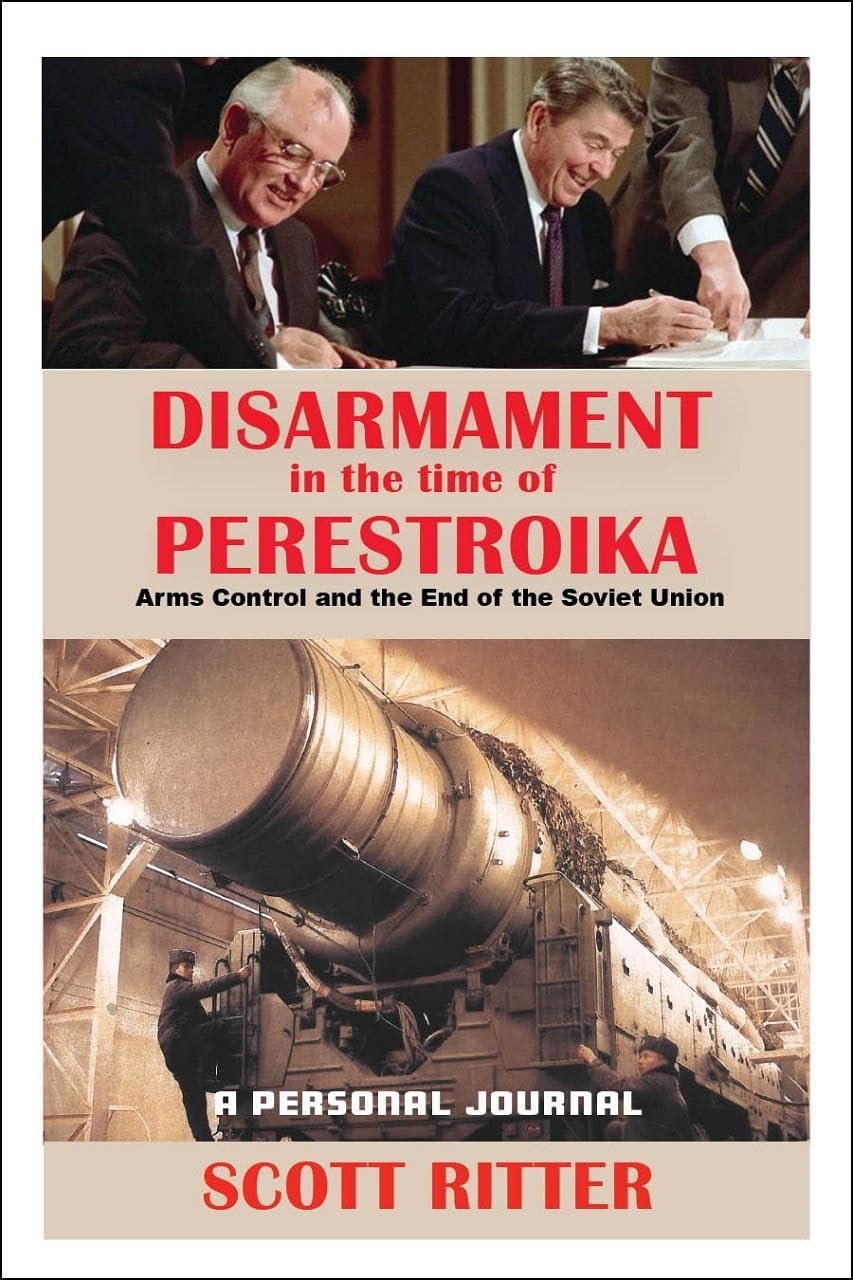
Disarmament in the Time of Perestroika is the definitive history of the implementation of the INF Treaty signed by Mikhail Gorbachev and Ronald Reagan in all its complexities, and the lengths both sides went to trust, but verify this successful and unique historic disarmament process. It demonstrates how two nations fundamentally at odds with one another could come together and rid the world of weapons which threatened international peace and security and, indeed, all of humanity. Those engaged were pioneers in what was to be the new frontier of superpower arms controlonsite inspectionthat would define compliance verification for future treaties and agreements to come. Their work represents not just a guide to but the standard upon which all future onsite inspections will be based and judged.Ritter traces in great detail the formation of the OnSite Inspection Agency, who was involved, and how a technologically advanced compliance verification system was installed outside the gates of one of the most sensitive military industrial facilities in the remote Soviet city of Votkinsk, nestled in the foothills of the Ural Mountains in the Soviet Union. He draws upon his own personal history occasionally hilarious, occasionally fraught with peril as well as the recollections of the other inspectors and personnel involved, and an extensive archive of reports and memoranda relating to the work of OSIA to tell the story of how OSIA was created, and the first three years of inspection operations at the Votkinsk portal monitoring facility. The Votkinsk Portal, circa December 1988, was the wild, wild East of arms control, a place where the inspectors and inspected alike were writing the rules of the game as it played out before them.This treaty implementation did not occur in a geopolitical vacuum. Ritter captures, on a human level, the historic changes taking place inside the Soviet Union under the leadership of Mikhail Gorbachev due to the new policies of perestroika and glasnost that gripped the Soviet Union during this time, and their real and meaningful impact on the lives of the Soviet people, and the economic functioning of the Soviet nation. Much of it was for the worse.The INF treaty was not only born of these new policies, but also helped trigger meaningful changes inside the Soviet Union due to the economic and political implications brought on by the cessation of missile production in a factory town whose lifeblood was missile production.
⚠️ WARNING (California Proposition 65):
This product may contain chemicals known to the State of California to cause cancer, birth defects, or other reproductive harm.
For more information, please visit www.P65Warnings.ca.gov.
- Q: How many pages does this book have? A: This book has three hundred seventy pages. It offers an in-depth exploration of arms control history during a crucial period.
- Q: What are the dimensions of this book? A: The book measures six inches in length, zero point seventy-five inches in width, and nine point zero two inches in height.
- Q: What is the binding type of this book? A: This book is published in paperback binding. This makes it lightweight and easy to handle.
- Q: Who is the author of this book? A: The author of this book is Scott Ritter. He provides personal insights and detailed historical analysis.
- Q: What genre does this book belong to? A: This book falls into the category of historical non-fiction. It specifically addresses arms control and international relations.
- Q: How do I read this book effectively? A: You can read this book at your own pace. It's suitable for readers with an interest in history and international relations.
- Q: Is this book suitable for young readers? A: This book is not specifically targeted at young readers. It covers complex themes related to arms control and Soviet history.
- Q: What themes are explored in this book? A: This book explores themes of disarmament, international relations, and the historical context of the Soviet Union.
- Q: Can I use this book for educational purposes? A: Yes, this book can be used for educational purposes. It offers insights valuable for history and political science studies.
- Q: How should I store this book? A: Store this book in a cool, dry place. Keeping it away from direct sunlight will help preserve its condition.
- Q: Is this book durable? A: Yes, this paperback book is relatively durable. However, handle it with care to maintain its condition over time.
- Q: How do I clean this book if it gets dirty? A: To clean this book, gently wipe the cover with a soft, dry cloth. Avoid using water or cleaning solutions.
- Q: What if the book arrives damaged? A: If the book arrives damaged, you should contact customer support for return or exchange options.
- Q: What is the return policy for this book? A: The return policy allows for returns within thirty days of purchase. Ensure the book is in its original condition.
- Q: Can I get support if I have questions about the book? A: Yes, you can reach out to customer support for any questions or concerns regarding the book.
- Q: How can I ensure this book remains in good condition? A: To keep this book in good condition, avoid bending the spine and store it upright on a shelf.