
Title
Disaster Response And Homeland Security: What Works, What Doesn'T,Used
Sold by Ergodebooks, an authorized reseller.
Returns accepted within 30 days | support@ergodebooks.com
Shipping Information
- Free Standard Shipping — United States only
- Processing Time: 3–5 business days
- Estimated Delivery: 6–10 business days after dispatch
- Double-boxed, fully insured & discreetly packaged
- Tracking number sent via email once dispatched
Returns & Refund
Returns accepted within 30 days of delivery.
Damaged or Defective Item
Free return shipping + replacement or full refund
Wrong Item Received
Free return shipping + replacement or full refund
Change of Mind
Return shipping at customer's expense · 25% restocking fee applies
Payment Option

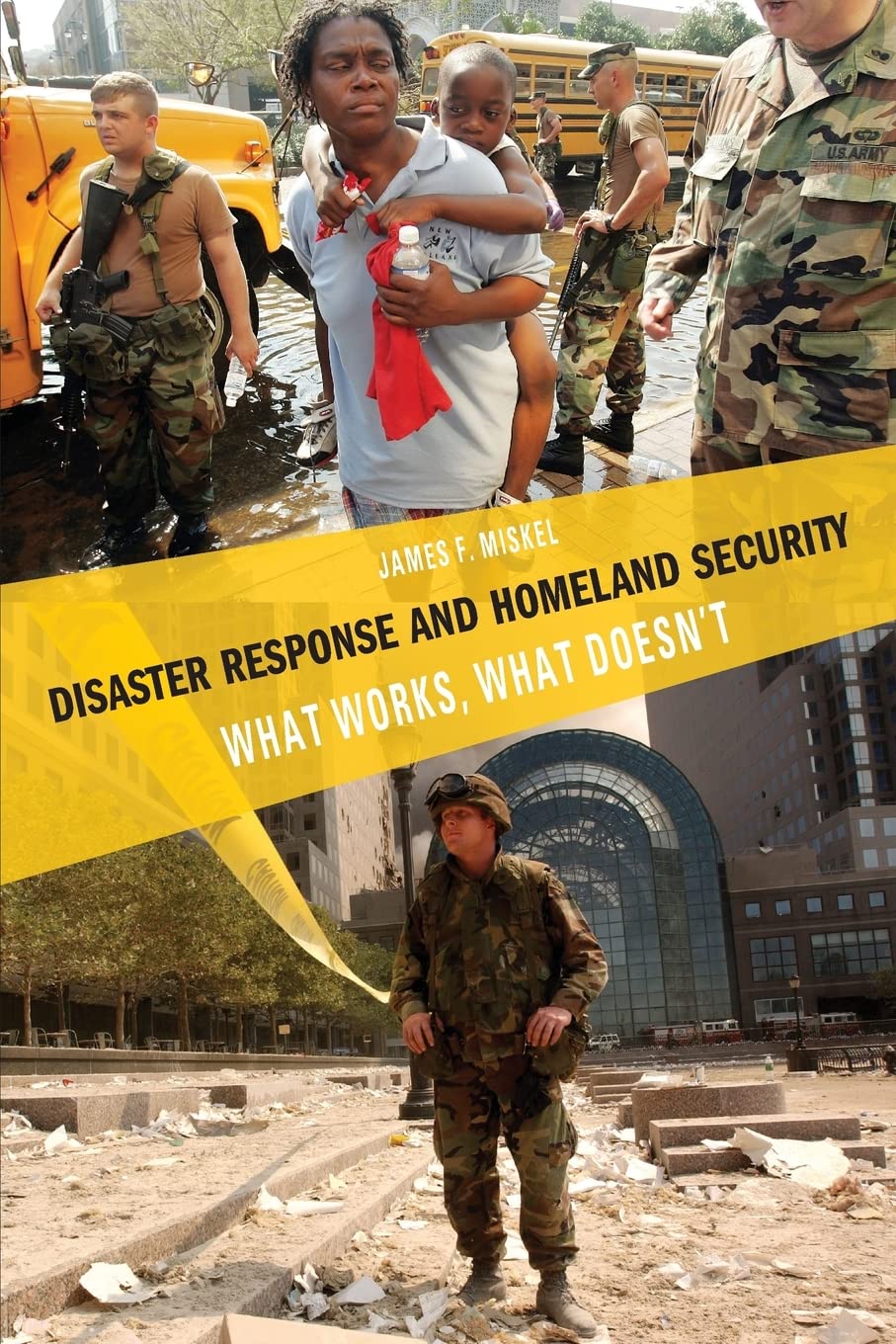
Hurricane Katrina is the latest in a series of major disasters that were not well managed, but it is not likely to be the last. Category 4 and category 5 hurricanes will, according to most predictions, become both more frequent and more intense in the future due to global warming and/or natural weather cycles. In addition, it is often said that another terrorist attack on the United States is inevitable; that it is a question of when, not whether. Add to that the scare over a possible avian flu pandemic. As a result, the United States should expect that disaster responseto natural and other types of disasterswill continue to be of vital concern to the American public and the policymakers and officials who deal with disaster response and relief, including the military. The U.S. disaster relief program reflects a basic division of responsibility between federal, state, and local governments that has generally stood the test of time. At the federal level, a single agency, FEMAnow under the Department of Homeland Securityhas been charged with the responsibility for coordinating the activities of the various federal agencies that have a role in disaster relief. A successful disaster response requires three things: timely and effective coordination between state and federal governments; effective coordination among the federal agencies; and effective coordination between and among state and local government agencies. Miskel examines the effects that operational failures after Hurricanes Agnes, Hugo, Andrew, and Katrina have had on the organizational design and operating principles of the disaster response system program. He also discusses the impact of 9/11 and the evolving role of the military, and he identifies reforms that should be implemented to improve the nation's ability to respond in the future.
⚠️ WARNING (California Proposition 65):
This product may contain chemicals known to the State of California to cause cancer, birth defects, or other reproductive harm.
For more information, please visit www.P65Warnings.ca.gov.