
Title
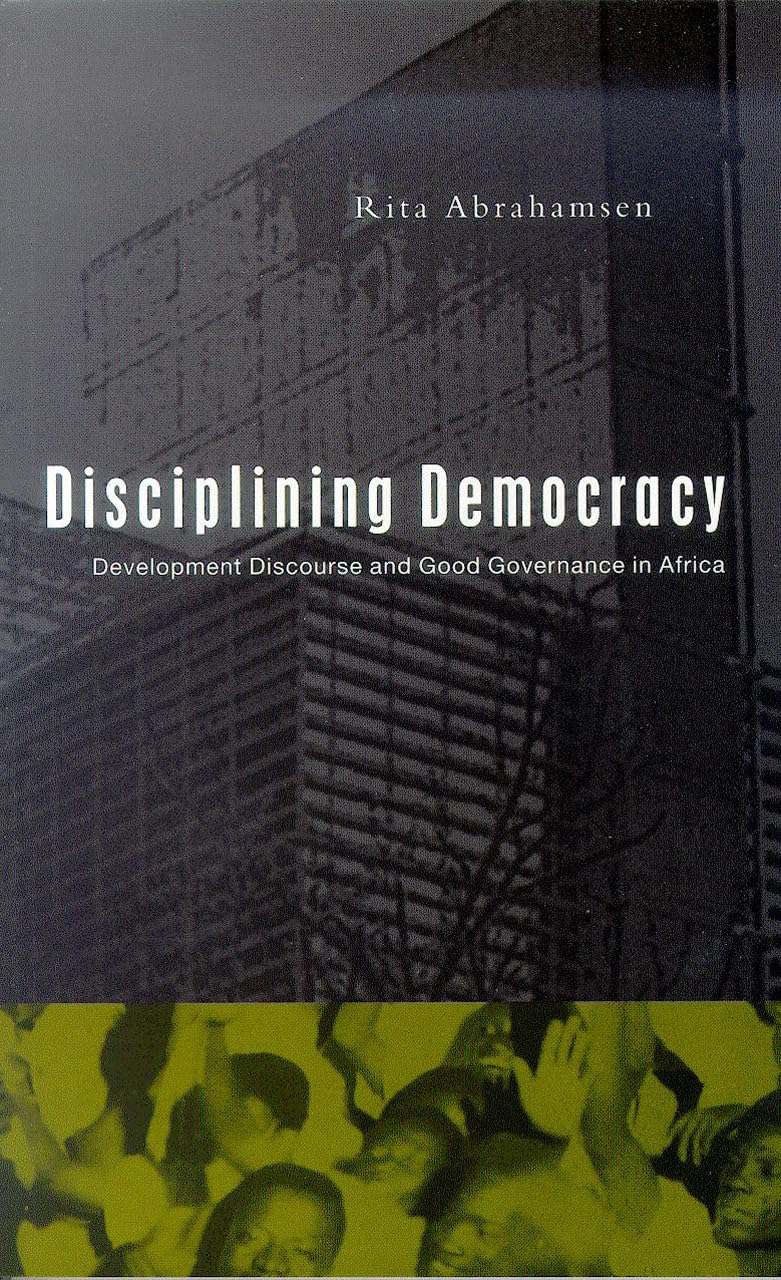
Disciplining Democracy: Development Discourse and Good Governance in Africa,Used
Sold by Ergodebooks, an authorized reseller.
Returns accepted within 30 days | support@ergodebooks.com
Shipping Information
- Free Standard Shipping — United States only
- Processing Time: 3–5 business days
- Estimated Delivery: 6–10 business days after dispatch
- Double-boxed, fully insured & discreetly packaged
- Tracking number sent via email once dispatched
Returns & Refund
Returns accepted within 30 days of delivery.
Damaged or Defective Item
Free return shipping + replacement or full refund
Wrong Item Received
Free return shipping + replacement or full refund
Change of Mind
Return shipping at customer's expense · 25% restocking fee applies
Payment Option

Not very long ago, authoritarian forms of government were widely regarded as necessary for rapid economic growth and development, and Western donors supported dictatorial regimes in every continent. Today the political mantra is democracy, and the World Bank and Western donors require it almost as a condition of assistance. This thoughtprovoking book argues not simply that the West's good governance agenda came into being with the demise of the Soviet Union. Much more importantly, it shows how this agenda comprises only very superficial democratic institutional forms that are compatible with continued structural adjustment. African governments, in particular, remain in a cleft stick supposedly responsible to their electorates at home, in fact beholden to external creditors and donors. The result is the creation of fragile democracies unable to respond to the demands of the poor who are in the great majority for socioeconomic improvements, and where the requirements of external actors frequently overrule the wishes of domestic constituencies.Using the example of the good governance discourse, Rita Abrahamsen contributes powerfully to our understanding of development, not as some universally valid set of goals or procedures, but as a historically contingent form of knowledge intimately connected to prevailing structures and relations of power. Her book argues that a key effect of contemporary development discourse, despite all its proclamations in favour of democracy, is to help reproduce a world order that is essentially undemocratic.
⚠️ WARNING (California Proposition 65):
This product may contain chemicals known to the State of California to cause cancer, birth defects, or other reproductive harm.
For more information, please visit www.P65Warnings.ca.gov.