
Title
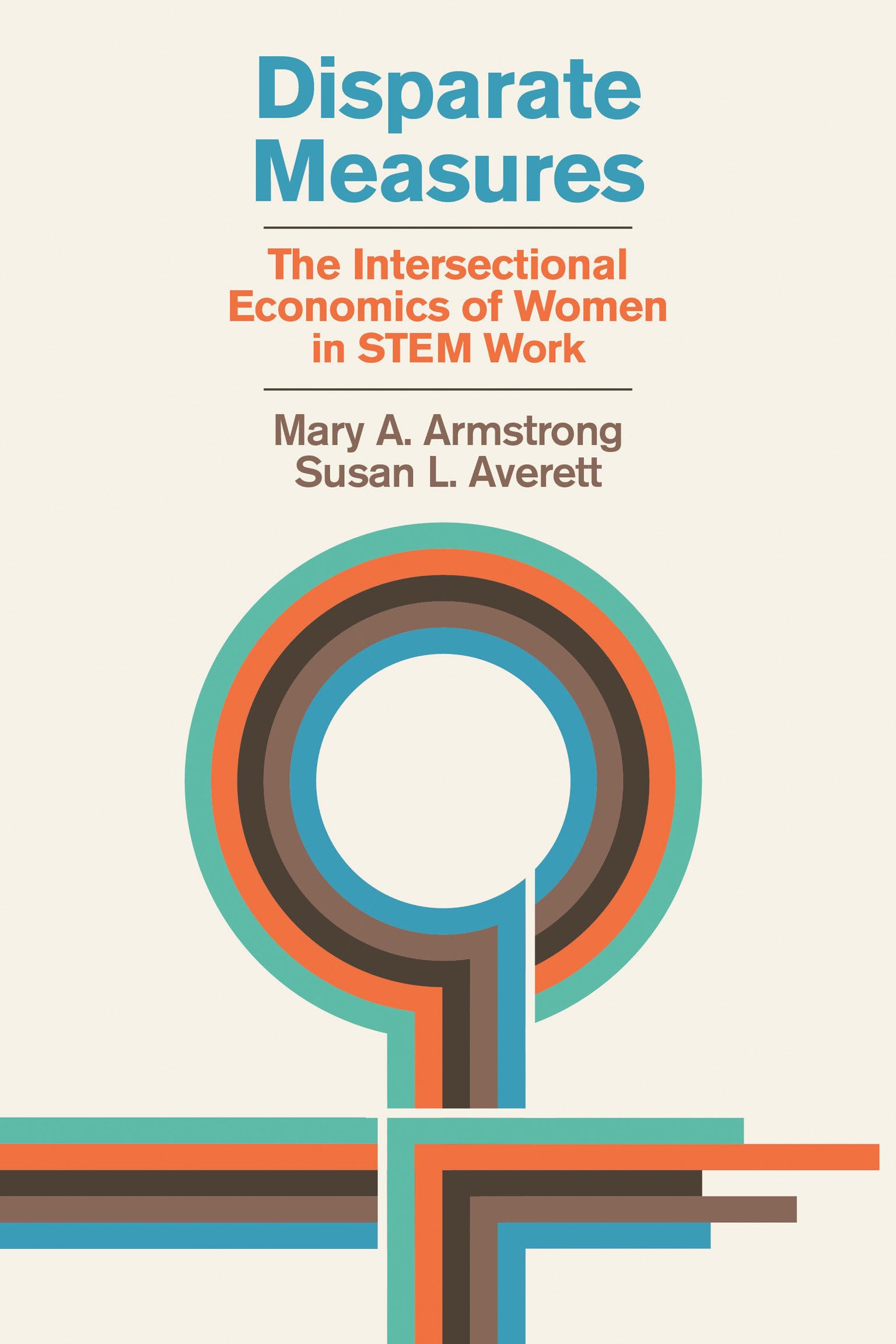
Disparate Measures: The Intersectional Economics Of Women In Stem Work,New
Sold by Ergodebooks, an authorized reseller.
Returns accepted within 30 days | support@ergodebooks.com
Shipping Information
- Free Standard Shipping — United States only
- Processing Time: 3–5 business days
- Estimated Delivery: 6–10 business days after dispatch
- Double-boxed, fully insured & discreetly packaged
- Tracking number sent via email once dispatched
Returns & Refund
Returns accepted within 30 days of delivery.
Damaged or Defective Item
Free return shipping + replacement or full refund
Wrong Item Received
Free return shipping + replacement or full refund
Change of Mind
Return shipping at customer's expense · 25% restocking fee applies
Payment Option

An exploration of workplace participation and earnings patterns for diverse women in US STEM professions that upends the myth that STEM work benefits women economically.Seen as part economic driver, part social remedy, STEM work is commonly understood to benefit both the US economy and peopleparticularly womenfrom underrepresented groups. But what do diverse women find when they work in US STEM occupations? What do STEM jobs really deliverand for whom? In Disparate Measures, Mary Armstrong and Susan Averett challenge the conventional wisdom that a diverse US STEM workforce will bring about economic abundance for the women who participate in it. Combining intersectionality theory and critical data theory with a feminist economic analysis, the authors explore how different groups of diverse women truly fare in US STEM professions.Disparate Measures is centered on eight unique, indepth case studies, each of which provides an intersectional economic analysis (a term coined by the authors) of diverse women working in STEM occupations. Four case studies prioritize women of color and examine the STEM participation and earnings of Black women, American Indian and Alaska Native women, Asian and Pacific Islander women, and Hispanic women/Latinas; four additional case studies illuminate intersections that are frequently neglected by the STEM inclusivity literature: foreignborn women, women with disabilities, Queer women, and mothers. What the authors find in their groundbreaking, detailed analysis is that the promises of STEM are only partly true: when compared to women not working in STEM, most women are indeed economically elevated by STEM occupationsyet when compared to white men in the same STEM occupations, womens secondclass status is usually reaffirmed. The authors conclude by offering seven bigpicture recommendations for rethinking STEM equity, showing just how we can successfully confront the entrenched patterns of economic disadvantage faced by diverse women in STEM jobs.
⚠️ WARNING (California Proposition 65):
This product may contain chemicals known to the State of California to cause cancer, birth defects, or other reproductive harm.
For more information, please visit www.P65Warnings.ca.gov.