
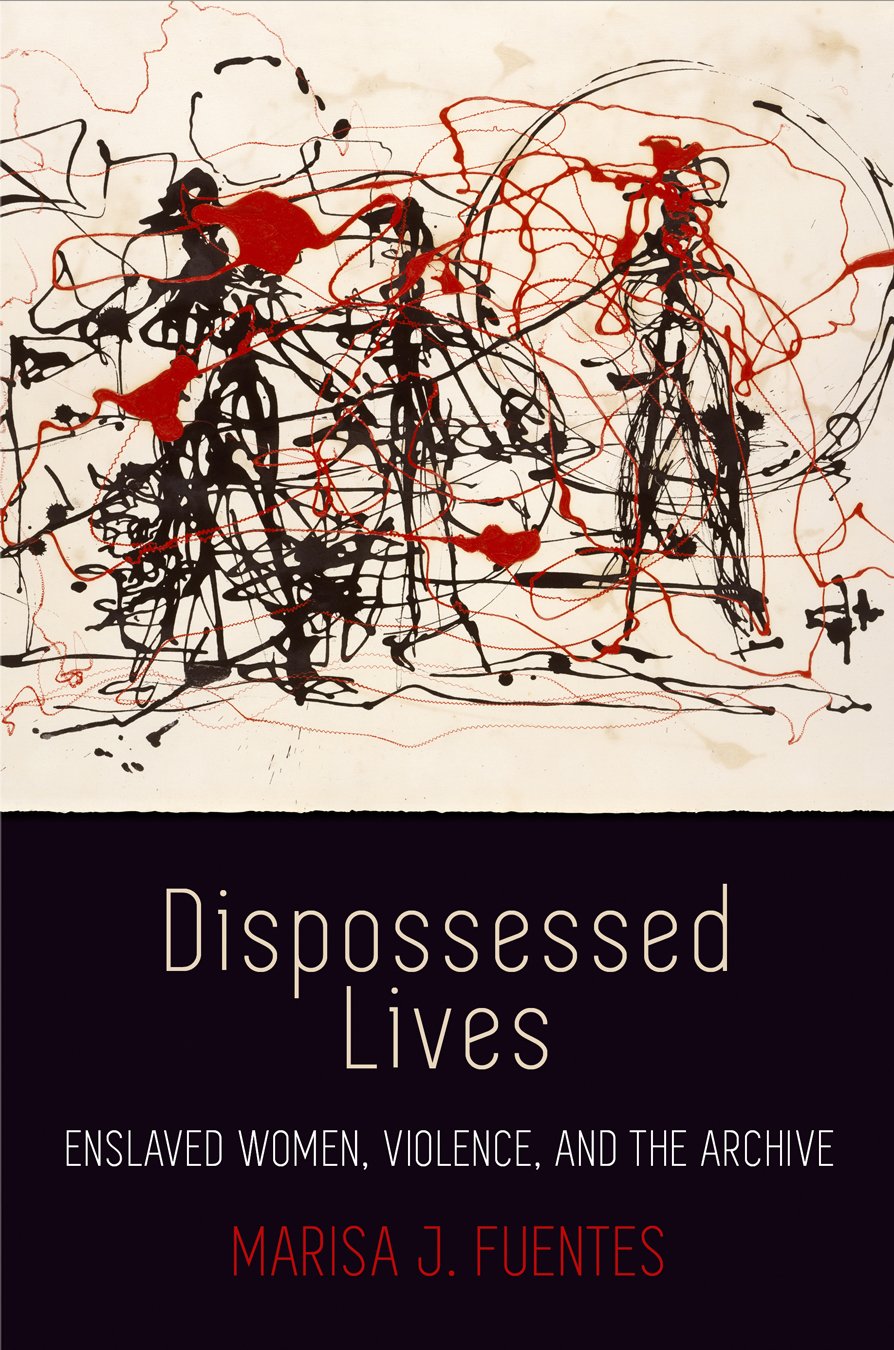
Title
Dispossessed Lives: Enslaved Women, Violence, And The Archive (Early American Studies),Used
Sold by Ergodebooks, an authorized reseller.
Returns accepted within 30 days | support@ergodebooks.com
Shipping Information
- Free Standard Shipping — United States only
- Processing Time: 3–5 business days
- Estimated Delivery: 6–10 business days after dispatch
- Double-boxed, fully insured & discreetly packaged
- Tracking number sent via email once dispatched
Returns & Refund
Returns accepted within 30 days of delivery.
Damaged or Defective Item
Free return shipping + replacement or full refund
Wrong Item Received
Free return shipping + replacement or full refund
Change of Mind
Return shipping at customer's expense · 25% restocking fee applies
Payment Option

In The Eighteenth Century, Bridgetown, Barbados, Was Heavily Populated By Both Enslaved And Free Women. Marisa J. Fuentes Creates A Portrait Of Urban Caribbean Slavery In This Colonial Town From The Perspective Of These Women Whose Stories Appear Only Briefly In Historical Records. Fuentes Takes Us Through The Streets Of Bridgetown With An Enslaved Runaway; Inside A Brothel Run By A Freed Woman Of Color; In The Midst Of A White Urban Household In Sexual Chaos; To The Gallows Where Enslaved People Were Executed; And Within Violent Scenes Of Enslaved Women'S Punishments. In The Process, Fuentes Interrogates The Archive And Its Historical Production To Expose The Ongoing Effects Of White Colonial Power That Constrain What Can Be Known About These Women.Combining Fragmentary Sources With Interdisciplinary Methodologies That Include Black Feminist Theory And Critical Studies Of History And Slavery, Dispossessed Lives Demonstrates How The Construction Of The Archive Marked Enslaved Women'S Bodies, In Life And In Death. By Vividly Recounting Enslaved Life Through The Experiences Of Individual Women And Illuminating Their Conditions Of Confinement Through The Legal, Sexual, And Representational Power Wielded By Slave Owners, Colonial Authorities, And The Archive, Fuentes Challenges The Way We Write Histories Of Vulnerable And Often Invisible Subjects.
⚠️ WARNING (California Proposition 65):
This product may contain chemicals known to the State of California to cause cancer, birth defects, or other reproductive harm.
For more information, please visit www.P65Warnings.ca.gov.
- Q: How many pages are in 'Dispossessed Lives: Enslaved Women, Violence, and the Archive'? A: This book contains two hundred thirty-two pages. It provides a comprehensive exploration of urban Caribbean slavery through the lens of enslaved women.
- Q: What is the binding type of this book? A: The binding type is paperback. This allows for a lightweight and flexible format that is easy to handle.
- Q: What are the dimensions of this book? A: The book measures six inches in length, nine and a quarter inches in height, and three-quarters of an inch in width. These dimensions make it a portable read.
- Q: Who is the author of 'Dispossessed Lives'? A: The author is Marisa J. Fuentes. She brings a unique perspective to the historical narratives of enslaved women.
- Q: What genre does this book fall under? A: This book falls under Early American Studies. It focuses on historical themes related to slavery and women's studies.
- Q: What themes does the book explore? A: The book explores themes of urban slavery, violence, and the historical archive. It highlights the experiences of enslaved women in Barbados.
- Q: How do I read 'Dispossessed Lives'? A: You can read the book at your own pace, as it is designed for both casual and academic readers. It provides insightful narratives on enslaved women's lives.
- Q: Is this book suitable for academic study? A: Yes, this book is suitable for academic study. It employs interdisciplinary methodologies and black feminist theory, making it a valuable resource.
- Q: What age group is this book appropriate for? A: This book is appropriate for adults and older teens. It deals with complex themes that may require mature understanding.
- Q: How should I store this book to keep it in good condition? A: Store the book in a cool, dry place away from direct sunlight. Keeping it upright on a shelf can help prevent damage.
- Q: Can I clean the book's cover if it gets dirty? A: Yes, you can gently wipe the cover with a soft, dry cloth. Avoid using water or cleaners that may damage the material.
- Q: What if the book arrives damaged? A: If the book arrives damaged, you should contact the seller for a return or exchange. Most retailers have policies for handling damaged items.
- Q: Is there a warranty on this book? A: Typically, books do not come with a warranty. However, check with the retailer for specific return policies.
- Q: How does this book compare to other works on slavery? A: This book provides a unique perspective by focusing on the narratives of enslaved women, unlike many broader historical accounts.
- Q: Are there similar books to 'Dispossessed Lives'? A: Yes, similar books include works that focus on women's history and slavery, often blending historical analysis with personal narratives.