
Title
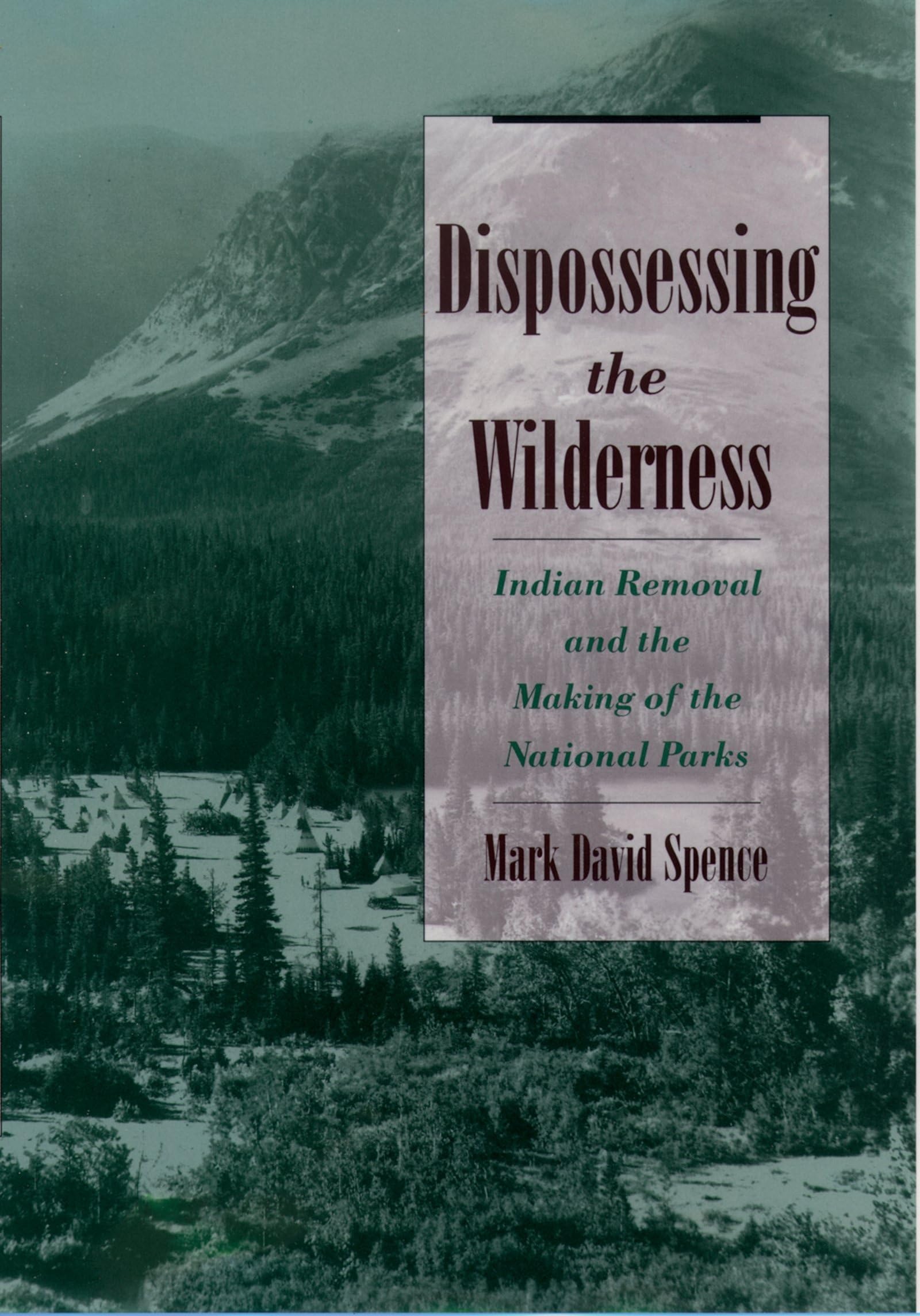
Dispossessing the Wilderness: Indian Removal and the Making of the National Parks,New
Sold by Ergodebooks, an authorized reseller.
Returns accepted within 30 days | support@ergodebooks.com
Shipping Information
- Free Standard Shipping — United States only
- Processing Time: 3–5 business days
- Estimated Delivery: 6–10 business days after dispatch
- Double-boxed, fully insured & discreetly packaged
- Tracking number sent via email once dispatched
Returns & Refund
Returns accepted within 30 days of delivery.
Damaged or Defective Item
Free return shipping + replacement or full refund
Wrong Item Received
Free return shipping + replacement or full refund
Change of Mind
Return shipping at customer's expense · 25% restocking fee applies
Payment Option

National parks like Yellowstone, Yosemite, and Glacier preserve some of this country's most cherished wilderness landscapes. While visions of pristine, uninhabited nature led to the creation of these parks, they also inspired policies of Indian removal. By contrasting the native histories of these places with the links between Indian policy developments and preservationist efforts, this work examines the complex origins of the national parks and the troubling consequences of the American wilderness ideal. The first study to place national park history within the context of the early reservation era, it details the ways that national parks developed into one of the most important arenas of contention between native peoples and nonIndians in the twentieth century.
⚠️ WARNING (California Proposition 65):
This product may contain chemicals known to the State of California to cause cancer, birth defects, or other reproductive harm.
For more information, please visit www.P65Warnings.ca.gov.
- Q: How many pages does this book have? A: This book has two hundred pages. It provides an in-depth examination of the history of national parks.
- Q: What is the binding type of this book? A: The binding type is paperback. This makes it lightweight and portable for easy reading.
- Q: What are the dimensions of this book? A: The book measures nine point twenty-one inches in length, six point fourteen inches in width, and zero point forty-three inches in height. These dimensions make it a convenient size for handling.
- Q: How do I read this book effectively? A: To read this book effectively, take your time to reflect on the complex themes presented. It's suitable for anyone interested in American history or environmental policy.
- Q: Is this book suitable for beginners? A: Yes, this book is suitable for beginners. It provides a comprehensive overview of the historical context of national parks and Indian removal.
- Q: What age group is this book appropriate for? A: This book is appropriate for adult readers and older teens interested in history and cultural studies. It discusses sensitive topics regarding indigenous peoples.
- Q: How should I store this book? A: Store this book in a cool, dry place away from direct sunlight. This will help preserve its condition over time.
- Q: Can I clean the cover of this book? A: Yes, you can clean the cover gently with a damp cloth. Avoid using harsh chemicals to maintain the quality of the cover.
- Q: Is this book safe for young readers? A: No, this book is not recommended for young readers. It contains complex themes and discussions about Indian removal and environmental policy.
- Q: What should I do if the book arrives damaged? A: If the book arrives damaged, contact the seller for a return or exchange. Most sellers have policies in place for such issues.
- Q: Is there a warranty for this book? A: No, there is typically no warranty for books. However, check the seller's return policy for any guarantees.
- Q: How do I find out more about the author? A: To learn more about the author, Mark David Spence, you can look up his other works and academic contributions online. He specializes in environmental history.
- Q: How does this book compare to other historical texts? A: This book stands out by connecting the history of national parks with the impact on indigenous populations. It offers a unique perspective not often covered in other historical texts.
- Q: What themes are explored in this book? A: This book explores themes of colonization, environmentalism, and the historical narratives surrounding national parks. It critically examines the American wilderness ideal.
- Q: Is this book part of a series? A: No, this book is not part of a series. It is a standalone work focusing on the historical context of national parks.