
Title
Distilling The Influence Of Alcohol: Aguardiente In Guatemalan History,Used
Sold by Ergodebooks, an authorized reseller.
Returns accepted within 30 days | support@ergodebooks.com
Shipping Information
- Free Standard Shipping — United States only
- Processing Time: 3–5 business days
- Estimated Delivery: 6–10 business days after dispatch
- Double-boxed, fully insured & discreetly packaged
- Tracking number sent via email once dispatched
Returns & Refund
Returns accepted within 30 days of delivery.
Damaged or Defective Item
Free return shipping + replacement or full refund
Wrong Item Received
Free return shipping + replacement or full refund
Change of Mind
Return shipping at customer's expense · 25% restocking fee applies
Payment Option

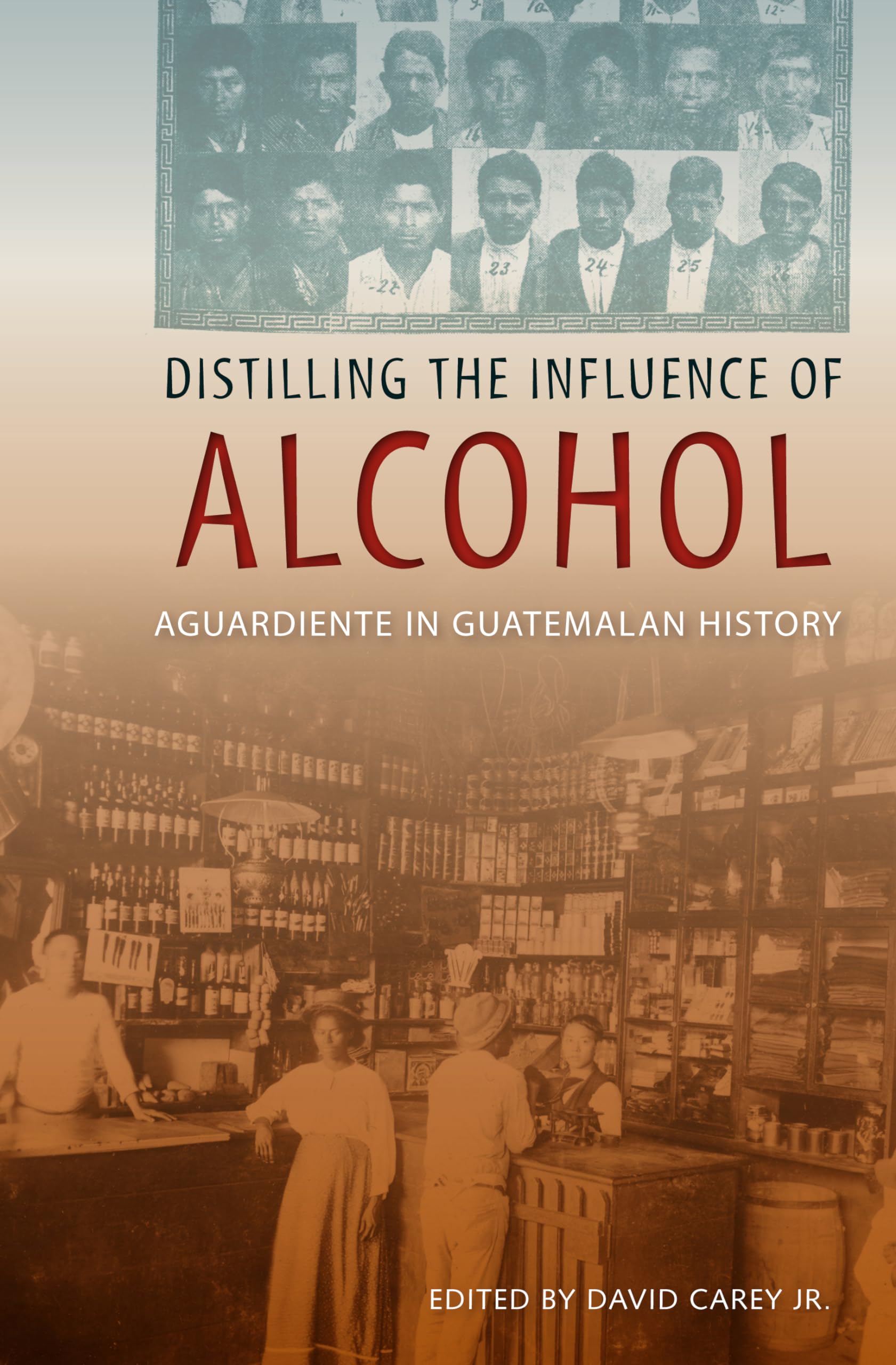
Sugar, coffee, corn, and chocolate have long dominated the study of Central American commerce, and researchers tend to overlook one other equally significant commodity: alcohol. Often illicitly produced and consumed, aguardiente (distilled sugar cane spirits or rum) was central to Guatemalan daily life, though scholars have often neglected its fundamental role in the country's development. Throughout world history, alcohol has helped build family livelihoods, boost local economies, and forge nations. The alcohol economy also helped shape Guatemala's turbulent categories of ethnicity, race, class, and gender, as these essays demonstrate. Established and emerging Guatemalan historians investigate aguardiente's role from the colonial era to the twentieth century, drawing from archival documents, oral histories, and ethnographic sources. Topics include women in the alcohol trade, taverns as places of social unrest, and tension between Maya and State authority. By tracing Guatemala's past, people, and national development through the channel of an alcoholic beverage, Distilling the Influence of Alcohol opens new directions for Central American historical and anthropological research. Contributors: David Carey Jr. Alvis E. Dunn Virginia GarrardBurnett Frederick Douglass Opie Ren Reeves Stacey Schwartzkopf
⚠️ WARNING (California Proposition 65):
This product may contain chemicals known to the State of California to cause cancer, birth defects, or other reproductive harm.
For more information, please visit www.P65Warnings.ca.gov.