If you have any questions, you are always welcome to contact us. We'll get back to you as soon as possible, withing 24 hours on weekdays.
Customer service
All questions about your order, return and delivery must be sent to our customer service team by e-mail at yourstore@yourdomain.com
Sale & Press
If you are interested in selling our products, need more information about our brand or wish to make a collaboration, please contact us at press@yourdomain.com
Help
If you have any questions, you are always welcome to contact us. We'll get back to you as soon as possible, withing 24 hours on weekdays.
Customer service
All questions about your order, return and delivery must be sent to our customer service team by e-mail at yourstore@yourdomain.com
Sale & Press
If you are interested in selling our products, need more information about our brand or wish to make a collaboration, please contact us at press@yourdomain.com
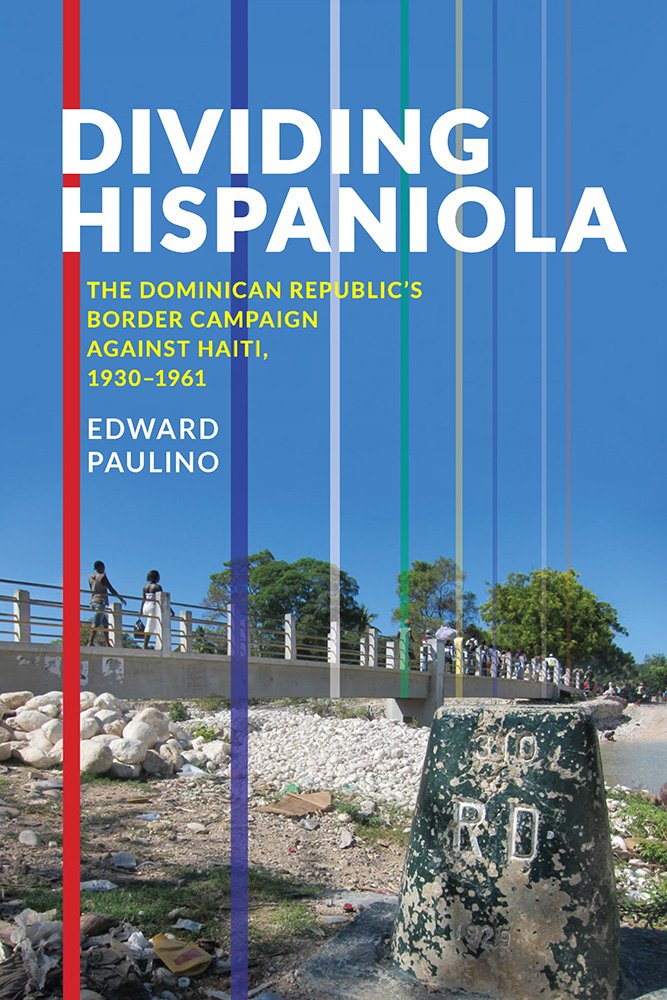
The island of Hispaniola is split by a border that divides the Dominican Republic and Haiti. This border has been historically contested and largely porous. Dividing Hispaniola is a study of Dominican dictator Rafael Trujillos scheme, during the midtwentieth century, to create and reinforce a buffer zone on this border through the establishment of state institutions and an ideological campaign against what was considered an encroaching black, inferior, and bellicose Haitian state. The success of this program relied on convincing Dominicans that regardless of their actual color, whiteness was synonymous with Dominican cultural identity.Paulino examines the campaign against Haiti as the construct of a fractured urban intellectual minority, bolstered by international politics and U.S. imperialism. This minority included a diverse set of individuals and institutions that employed antiHaitian rhetoric for their own benefit (i.e., sugar manufacturers and border officials.) Yet, in reality, these same actors had no interest in establishing an impermeable border.Paulino further demonstrates that Dominican attitudes of admiration and solidarity toward Haitians as well as extensive intermixture around the border region were commonplace. In sum his study argues against the notion that antiHaitianism was part of a persistent and innate Dominican ethos.
⚠️ WARNING (California Proposition 65):
This product may contain chemicals known to the State of California to cause cancer,
birth defects, or other reproductive harm.
For MAP (Minimum Advertised Price) violations and Intellectual Property (IP) or Trademark concerns, please contact:
support@ergodebooks.com
⚠️ California Proposition 65 Warning: Some products sold on this website may expose you to chemicals known to the State of California to cause cancer, birth defects, or other reproductive harm. For more information, visit www.P65Warnings.ca.gov.