
Title
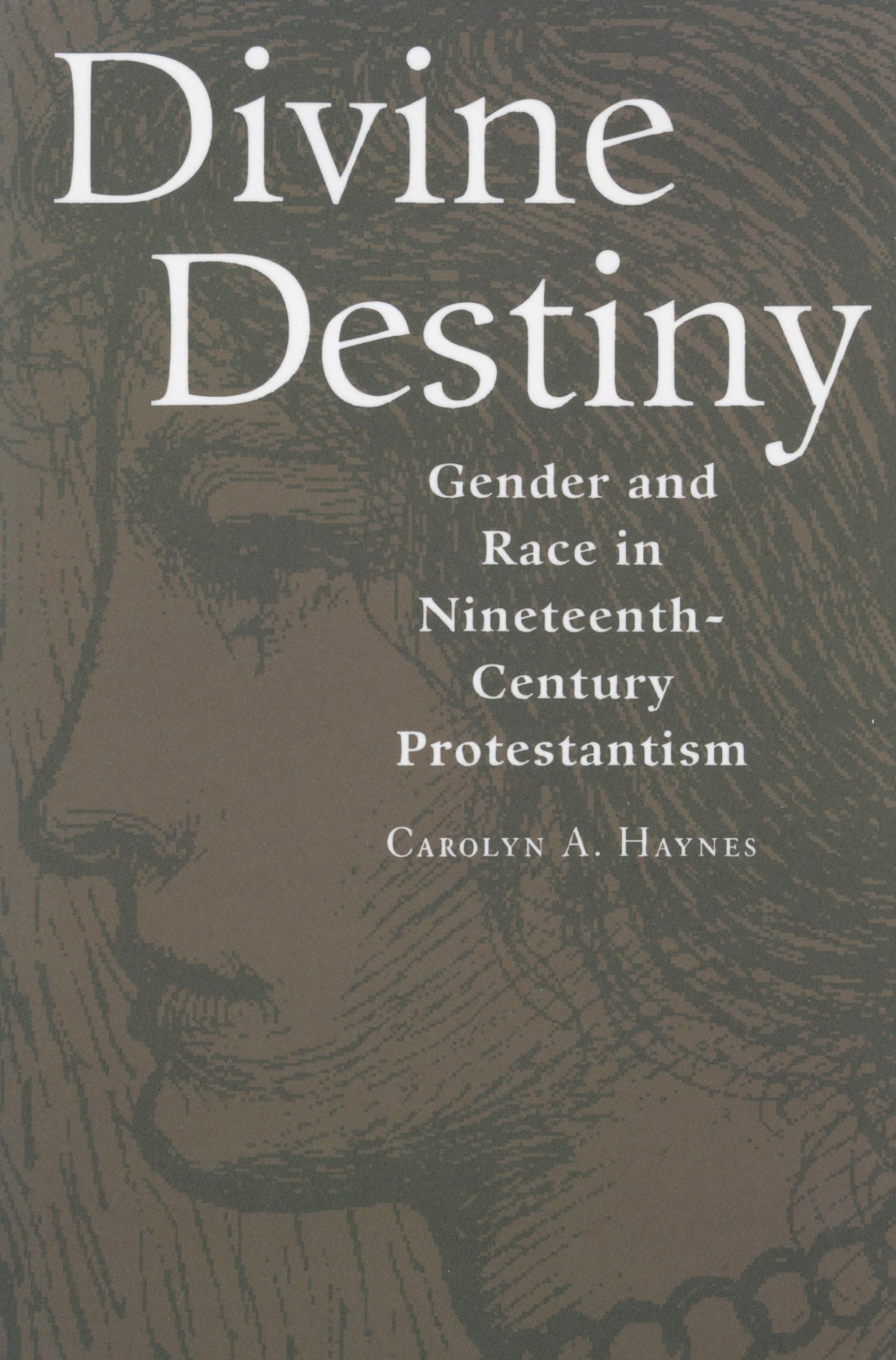
Divine Destiny: Gender and Race in NineteenthCentury Protestantism,Used
Sold by Ergodebooks, an authorized reseller.
Returns accepted within 30 days | support@ergodebooks.com
Shipping Information
- Free Standard Shipping — United States only
- Processing Time: 3–5 business days
- Estimated Delivery: 6–10 business days after dispatch
- Double-boxed, fully insured & discreetly packaged
- Tracking number sent via email once dispatched
Returns & Refund
Returns accepted within 30 days of delivery.
Damaged or Defective Item
Free return shipping + replacement or full refund
Wrong Item Received
Free return shipping + replacement or full refund
Change of Mind
Return shipping at customer's expense · 25% restocking fee applies
Payment Option

American culture was firmly undergirded by two dominant rhetorics during the nineteenth century: manifest destiny and domesticity. The first celebrated a divinely ordained spread of democracy, individualism, capitalism, and civilization throughout the North American continent. The second codified natural differences and duties of American men and women.While the two rhetorics were touted as universal in their application and appeal, in actuality both assumed a belief in masculine AngloSaxon American superiority. The triumph of the nation could be accomplished only through the concomitant removal, acculturation, or elimination of nonwhite peoples and through a careful circumscription of white women. The rhetorics not only were linked through a virulent ethnocentrism and misogyny but also were connected through their reliance on the Protestant belief system and on the Church itself.Yet, curiously, despite their exclusion from the Protestant rhetorics of manifest destiny and domesticity, the nineteenth century featured a remarkable growth in the conversion of women and nonwhite men to the Protestant faith. Why did women and nonwhite men seek to join a dominant religion that in many ways set out to limit and oppress them?This book responds to that question by exploring the actual words and rhetorical choices made by some of the most progressive Protestant white, African American, and Native American thinkers of the era: Olaudah Equiano, William Apess, Catharine Beecher, Harriet Beecher Stowe, Sojourner Truth, and Amanda Berry Smith. It argues that American Protestantism was both prohibitive and constitutive, offering its followers an expedient, acceptable but limited means for assuming social and political power and for forming a mutually empathetic, relational notion of self while at the same time foreclosing the possibility for more radical roles and social change.
⚠️ WARNING (California Proposition 65):
This product may contain chemicals known to the State of California to cause cancer, birth defects, or other reproductive harm.
For more information, please visit www.P65Warnings.ca.gov.