
Title
Dixie Limited: Railroads, Culture, And The Southern Renaissance,Used
Sold by Ergodebooks, an authorized reseller.
Returns accepted within 30 days | support@ergodebooks.com
Shipping Information
- Free Standard Shipping — United States only
- Processing Time: 3–5 business days
- Estimated Delivery: 6–10 business days after dispatch
- Double-boxed, fully insured & discreetly packaged
- Tracking number sent via email once dispatched
Returns & Refund
Returns accepted within 30 days of delivery.
Damaged or Defective Item
Free return shipping + replacement or full refund
Wrong Item Received
Free return shipping + replacement or full refund
Change of Mind
Return shipping at customer's expense · 25% restocking fee applies
Payment Option

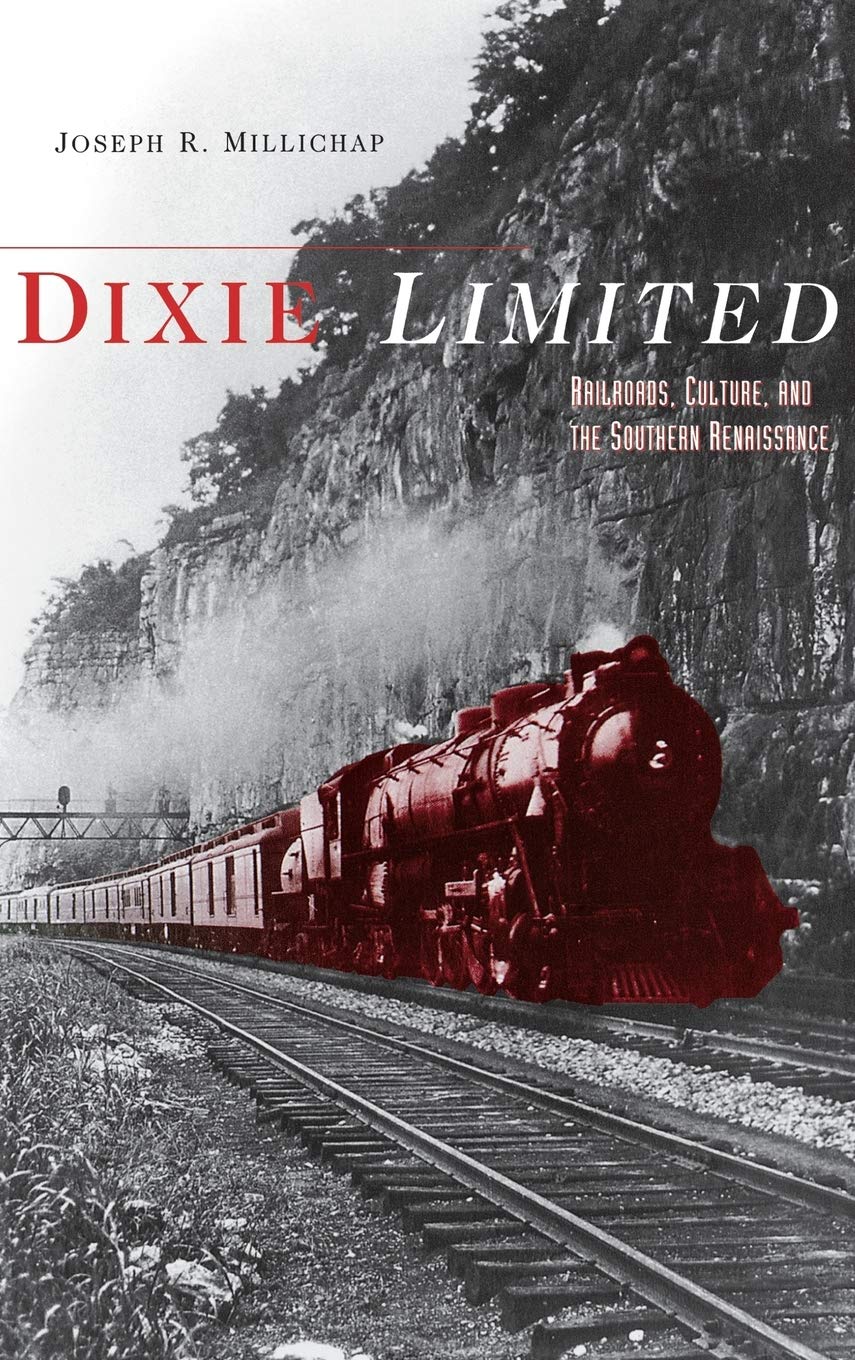
In the South, railroads have two meanings: they are an economic force that can sustain a town and they are a metaphor for the process of southern industrialization. Recognizing this duality, Joseph Millichap's Dixie Limited is a detailed reading of the complex and often ambivalent relationships among technology, culture, and literature that railroads represent in selected writers and works of the Southern Renaissance. Tackling such Southern Renaissance giants as Thomas Wolfe, Eudora Welty, Robert Penn Warren, and William Faulkner, Millichap mingles traditional American and Southern studiesin their emphases on literary appreciation and evaluation in terms of national and regional concernswith contemporary cultural meaning in terms of gender, race, and class.Millichap juxtaposes Faulkner's semiautobiographical families with Wolfe's fiction, which represents changing attitudes toward the 'Southern Other.' Faulkner's later fiction is compared to that of Warren, Welty, and Ellison, and Warren's later poetry moves toward the contemporary postSouthernism of Dave Smith. These disparate examples suggest the subject of the final chapterthe continuing search for postSouthern patterns of persistence and change that reiterate, reject, and perhaps reconfigure the Southern Renaissance. As we enter the twentyfirst century, that we recall how much the twentiethcentury South was shaped by railroads built in the nineteenth century. It is also important that we recognize how much our future will be determined by the technological and cultural tracks we lay.
⚠️ WARNING (California Proposition 65):
This product may contain chemicals known to the State of California to cause cancer, birth defects, or other reproductive harm.
For more information, please visit www.P65Warnings.ca.gov.