
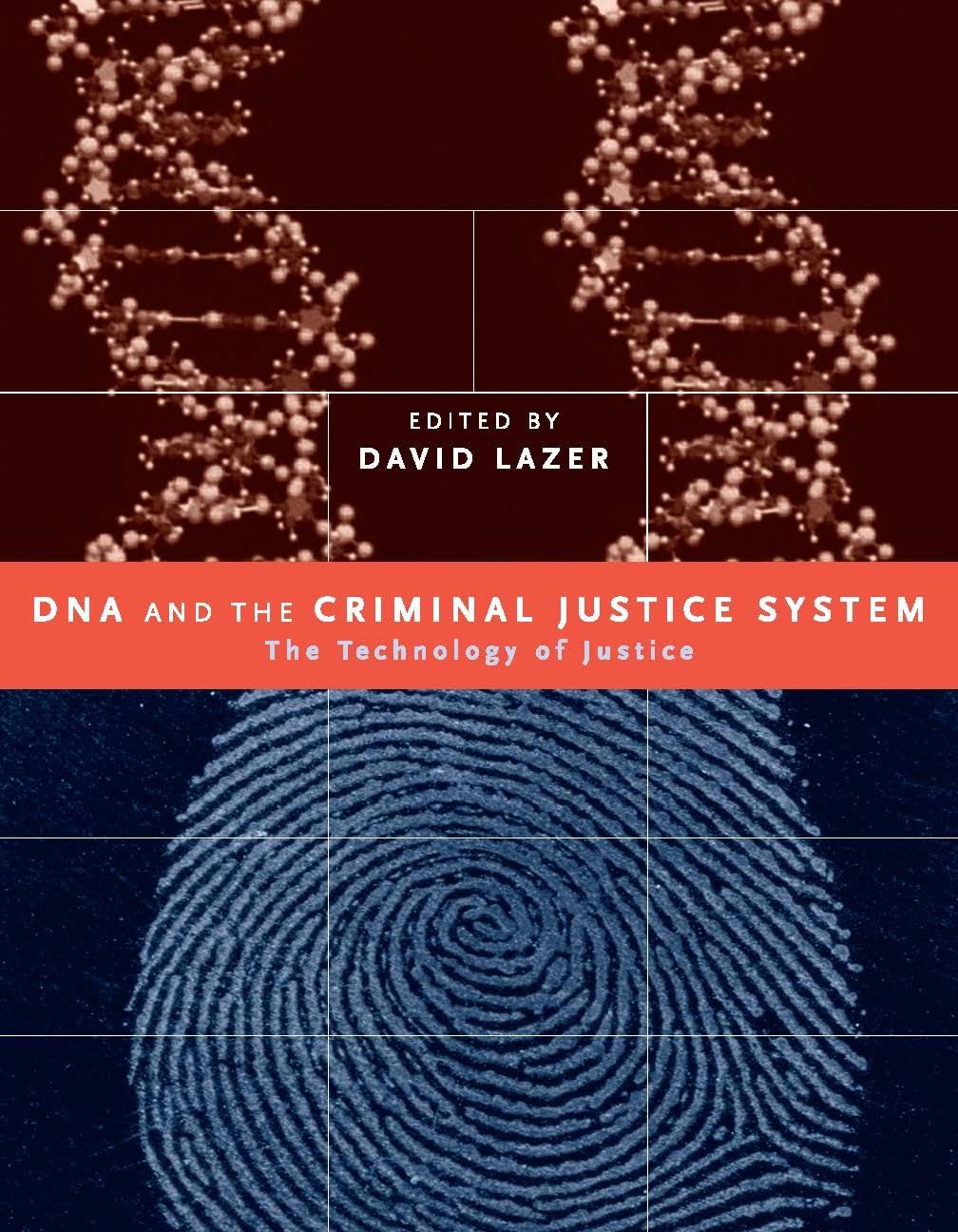
Title
Dna And The Criminal Justice System: The Technology Of Justice (Basic Bioethics)
Sold by Ergodebooks, an authorized reseller.
Returns accepted within 30 days | support@ergodebooks.com
Shipping Information
- Free Standard Shipping — United States only
- Processing Time: 3–5 business days
- Estimated Delivery: 6–10 business days after dispatch
- Double-boxed, fully insured & discreetly packaged
- Tracking number sent via email once dispatched
Returns & Refund
Returns accepted within 30 days of delivery.
Damaged or Defective Item
Free return shipping + replacement or full refund
Wrong Item Received
Free return shipping + replacement or full refund
Change of Mind
Return shipping at customer's expense · 25% restocking fee applies
Payment Option

Is DNA technology the ultimate diviner of guilt or the ultimate threat to civil liberties? Over the past decade, DNA has been used to exonerate hundreds and to convict thousands. Its expanded use over the coming decade promises to recalibrate significantly the balance between collective security and individual freedom. For example, it is possible that law enforcement DNA databases will expand to include millions of individuals not convicted of any crime. Moreover, depending on what rules govern access, such databases could also be used for purposes that range from determining paternity to assessing predispositions to certain diseases or behaviors. Thus the use of DNA technology will involve tough tradeoffs between individual and societal interests.This book, written by a distinguished group of authors including U.S. Supreme Court Justice Stephen Breyer, explores the ethical, procedural, and economic challenges posed by the use of DNA evidence as well as future directions for the technology. After laying the conceptual historical, legal, and scientific groundwork for the debate, the book considers bioethical issues raised by the collection of DNA, including the question of control over DNA databases. The authors then turn to the possible genetic bases of human behavior and the implications of this stillunresolved issue for the criminal justice system. Finally, the book examines the current debate over the many roles that DNA can and should play in criminal justice.
⚠️ WARNING (California Proposition 65):
This product may contain chemicals known to the State of California to cause cancer, birth defects, or other reproductive harm.
For more information, please visit www.P65Warnings.ca.gov.