
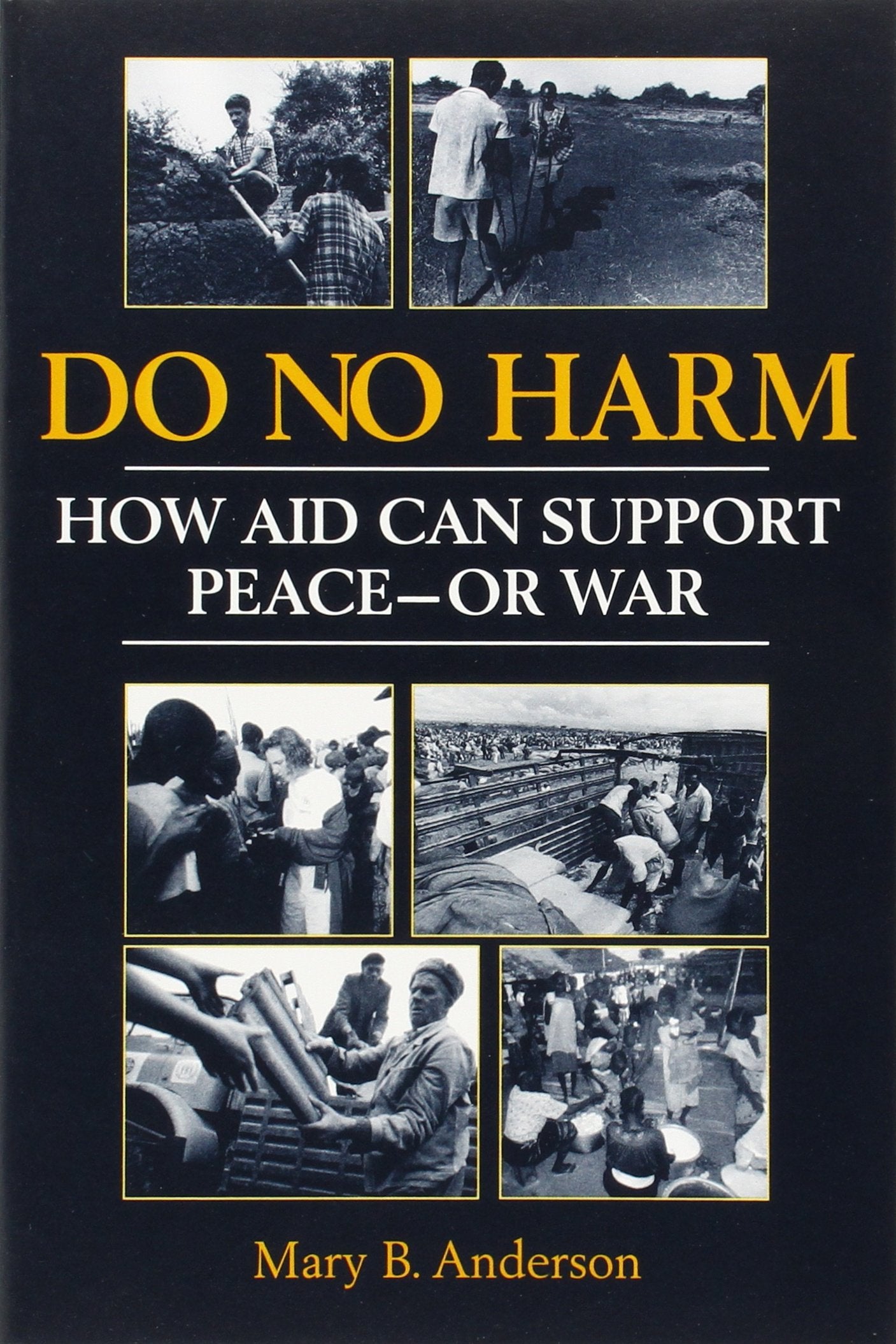
Title
Do No Harm: How Aid Can Support Peaceor War
Sold by Ergodebooks, an authorized reseller.
Returns accepted within 30 days | support@ergodebooks.com
Shipping Information
- Free Standard Shipping — United States only
- Processing Time: 3–5 business days
- Estimated Delivery: 6–10 business days after dispatch
- Double-boxed, fully insured & discreetly packaged
- Tracking number sent via email once dispatched
Returns & Refund
Returns accepted within 30 days of delivery.
Damaged or Defective Item
Free return shipping + replacement or full refund
Wrong Item Received
Free return shipping + replacement or full refund
Change of Mind
Return shipping at customer's expense · 25% restocking fee applies
Payment Option

Echoing The Words Of The Hippocratic Oath, The Author Challenges Aid Agency Staff To Take Responsibility For The Ways That Their Assistance Affects Conflicts. Mary B. Anderson Cites The Experiences Of Many Aid Providers In Wartorn Societies To Show That International Assistance Even When It Is Effective In Saving Lives, Alleviating Suffering And Furthering Sustainable Development Too Often Reinforces Divisions Among Contending Groups. But More Importantly, She Offers Hopeful Evidence Of Creative Programmes That Point The Way To New Approaches To Aid. Calling For A Redesign Of Assistance Programmes So That They Do Not Harm While Doing Their Intended Good, She Argues Futher That Many Opportunities Exist For Aid Workers To In Fact Support The Processes By Which Societies Disengage From War.
⚠️ WARNING (California Proposition 65):
This product may contain chemicals known to the State of California to cause cancer, birth defects, or other reproductive harm.
For more information, please visit www.P65Warnings.ca.gov.
- Q: How many pages does the book have? A: This book has one hundred seventy pages. It provides concise and impactful insights into the complexities of aid and conflict.
- Q: What is the binding type of the book? A: The book is available in paperback binding. This makes it lightweight and easy to handle for readers.
- Q: What are the dimensions of the book? A: The book measures six point twenty-six inches in length, zero point fifty-one inches in width, and nine point seventy-six inches in height. These dimensions make it a portable read.
- Q: Who is the author of 'Do No Harm'? A: The author is Mary B. Anderson. She brings valuable experience and insight into the relationship between aid and conflict.
- Q: What genre does this book belong to? A: The book falls under the Economics genre, specifically focusing on Environmental Economics. It addresses the impacts of aid in conflict areas.
- Q: What key themes does the book discuss? A: The book discusses themes of aid effectiveness, conflict resolution, and ethical considerations in humanitarian efforts. It emphasizes how aid can either support peace or exacerbate conflict.
- Q: Is this book suitable for beginners in humanitarian studies? A: Yes, this book is suitable for beginners. It presents complex topics in an accessible manner, making it a great starting point for understanding aid dynamics.
- Q: What kind of reader would benefit from this book? A: Readers interested in international affairs, humanitarian efforts, and conflict resolution will benefit significantly from this book. It offers practical insights and examples.
- Q: How can I apply the concepts from this book? A: You can apply the concepts by analyzing aid programs and assessing their impacts on conflict dynamics. The book provides frameworks for thoughtful evaluation.
- Q: What is the recommended way to care for this book? A: To care for this book, keep it in a dry environment and avoid exposure to direct sunlight. This will help preserve its condition over time.
- Q: Are there any safety concerns with this book? A: No, there are no safety concerns with this book. It is intended for educational purposes and does not contain hazardous materials.
- Q: Can I return the book if I am not satisfied? A: Yes, you can return the book if you are not satisfied. Check the retailer's return policy for specific instructions and timeframes.
- Q: What if the book arrives damaged? A: If the book arrives damaged, contact the seller immediately. Most retailers have a policy for handling damaged goods, ensuring you receive a replacement or refund.
- Q: Is this book appropriate for academic use? A: Yes, this book is appropriate for academic use. It provides valuable insights and references that can support research in humanitarian studies and social sciences.
- Q: How does this book compare to others in the same category? A: This book stands out for its practical approach and real-world examples. Unlike many theoretical texts, it offers actionable insights for aid professionals.