
Title
Do (Not) Feed The Bears: The Fitful History Of Wildlife And Tourists In Yellowstone,New
Sold by Ergodebooks, an authorized reseller.
Returns accepted within 30 days | support@ergodebooks.com
Shipping Information
- Free Standard Shipping — United States only
- Processing Time: 3–5 business days
- Estimated Delivery: 6–10 business days after dispatch
- Double-boxed, fully insured & discreetly packaged
- Tracking number sent via email once dispatched
Returns & Refund
Returns accepted within 30 days of delivery.
Damaged or Defective Item
Free return shipping + replacement or full refund
Wrong Item Received
Free return shipping + replacement or full refund
Change of Mind
Return shipping at customer's expense · 25% restocking fee applies
Payment Option

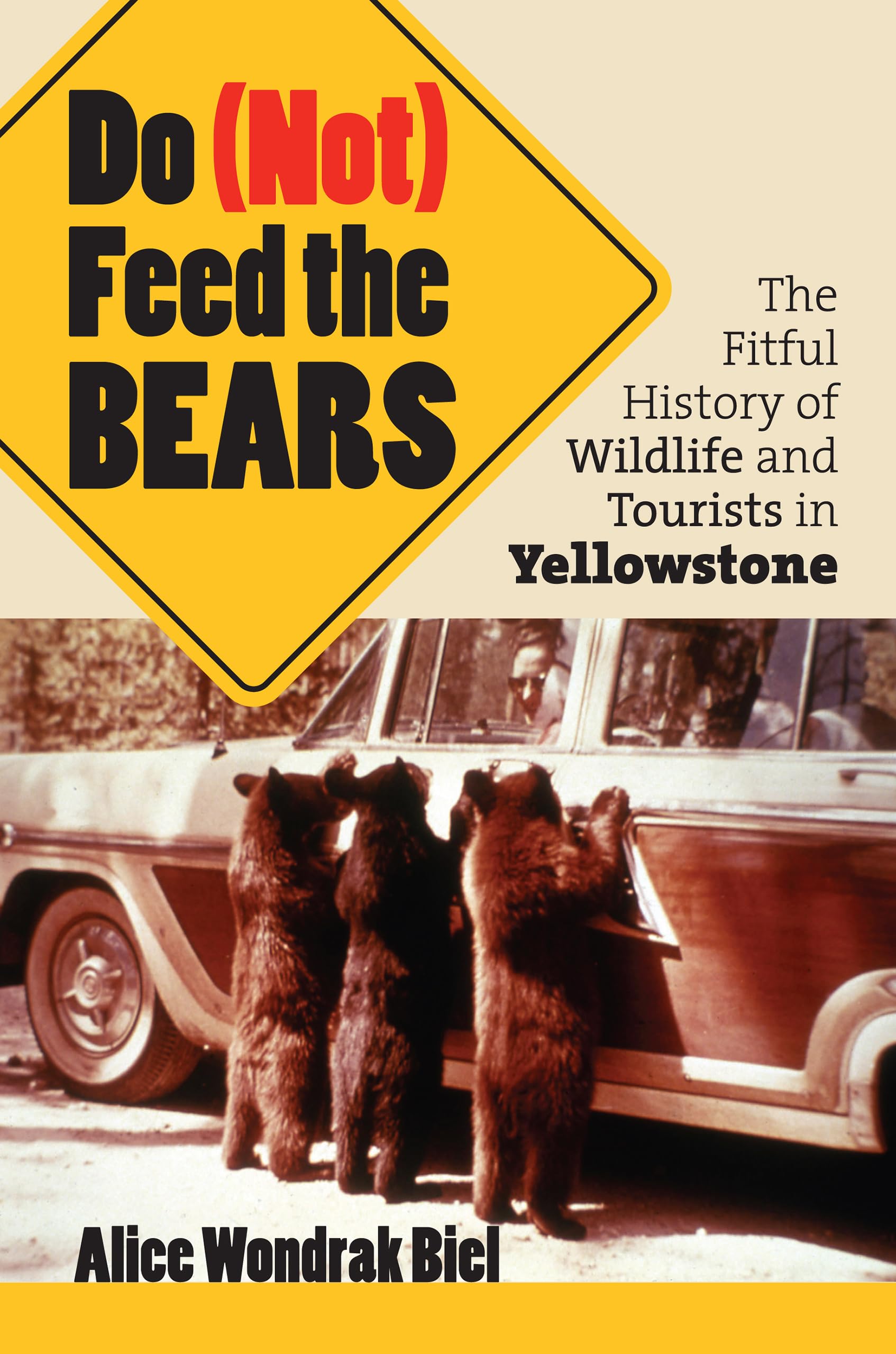
It Was A Familiar Sight At Yellowstone National Park: Traffic Backed Up For Miles As Visitors Fed Bears From Their Cars. It May Have Been Against The Rules, But Park Officials Were Willing To Turn A Blind Eye If It Kept The Public Happy. But Bear Feeding Eventually Became Too Widespread And Dangerous To Everyoneincluding The Bearsfor The National Park Service (Nps) To Allow It Any Longer.As One Of The Park'S Most Beloved And Enduring Symbols, The Yellowstone Bears Have Long Been A Flashpoint For Controversy. Alice Wondrak Biel Traces The Evolution Of Their Complex Relationship With Humansfrom The Creation Of The First Staged Wildlife Viewing Areas To The Presentand Situates That Relationship Within The Broader Context Of American Cultural History. Early On, Park Bears Were Largely Thought Of As Performers Or Surrogate Pets And Were Routinely Fed Handouts From Cars, As Well As Hotel Garbage Dumped At Parksanctioned 'Lunch Counters For Bears.' But As These Activities Led To Evergreater Numbers Of Tourist Injuries, And Of Bears Killed As A Result, And As Ideas About Conservation And The Nps Mission Changed, The Agency Refashioned The Bear'S Image From Cute Circus Performer To Dangerous Wild Animal And, Eventually, To Keystone Inhabitant Of A Fragile Ecosystem.Drawing On The History Of Recorded Interactions With Bears And Providing Telling Photographs Depicting The Evolving Bearhuman Relationship, Biel Traces The Reaction Of Park Visitors To The Nps'S Effortsfrom Warnings By Yogi Bear (Which Few Tourists Took Seriously) To The Increasing Promotion Of Key Ecological Issues And Concerns. Ultimately, As The Rules Were Enforced And Tourist Behavior Dramatically Shifted, The Bears Returned To A More Natural State Of Existence.Biel'S Entertaining And Informative Account Tracks This Gradual 'Renaturalization' While Also Providing A Cautionary Tale About The Need For Careful Negotiation At The Complex Nexus Of Tourists, Bears, And All Things Wild.
⚠️ WARNING (California Proposition 65):
This product may contain chemicals known to the State of California to cause cancer, birth defects, or other reproductive harm.
For more information, please visit www.P65Warnings.ca.gov.
- Q: How many pages does the book have? A: The book has one hundred ninety-eight pages. This length makes it suitable for a thorough exploration of the topic.
- Q: What is the binding type of the book? A: The book is paperback bound. This binding is lightweight and flexible, making it easy to carry.
- Q: What are the dimensions of the book? A: The book measures five point seventy-five inches in length, zero point seventy-five inches in width, and eight point five inches in height. These dimensions make it easy to handle and store.
- Q: Is this book suitable for children? A: Yes, the book is suitable for children, especially those interested in wildlife and conservation. It provides educational insights into human-bear interactions.
- Q: What reading level is this book appropriate for? A: The book is appropriate for middle school readers and above. Its engaging narrative makes it accessible for young adults as well.
- Q: How can I use this book effectively? A: You can use this book to enhance your understanding of wildlife conservation. It's ideal for both casual reading and academic study.
- Q: Can I gift this book to someone who loves nature? A: Yes, this book makes a great gift for nature enthusiasts. Its rich history and captivating photographs will appeal to wildlife lovers.
- Q: How do I care for this paperback book? A: To care for the book, store it in a dry place and avoid exposure to direct sunlight. Keeping it clean will help maintain its condition.
- Q: Is this book safe to give to kids? A: Yes, the content is safe for kids. It provides educational lessons about wildlife without inappropriate material.
- Q: What should I do if my book arrives damaged? A: If your book arrives damaged, contact the seller for a replacement or refund. Most sellers have a return policy for damaged items.
- Q: Can I return this book if I don't like it? A: Yes, you can return the book if you're not satisfied, usually within a specified return period. Check the seller's return policy for details.
- Q: What is the author’s background? A: The author, Alice Wondrak Biel, is known for her work on wildlife and conservation issues. Her expertise enriches the narrative of the book.
- Q: How does this book compare to other wildlife books? A: This book provides a unique focus on the relationship between humans and bears, which sets it apart from many other wildlife books.
- Q: What themes are explored in this book? A: The book explores themes of wildlife conservation, human interaction with nature, and the evolution of park policies regarding bears.
- Q: Are there photographs included in the book? A: Yes, the book includes fourteen photographs that illustrate the evolving relationship between humans and bears. These visuals enhance the reader's experience.
- Q: What can I learn from reading this book? A: You can learn about the historical interactions between tourists and bears in Yellowstone. It offers valuable insights into conservation efforts and wildlife management.