If you have any questions, you are always welcome to contact us. We'll get back to you as soon as possible, withing 24 hours on weekdays.
Customer service
All questions about your order, return and delivery must be sent to our customer service team by e-mail at yourstore@yourdomain.com
Sale & Press
If you are interested in selling our products, need more information about our brand or wish to make a collaboration, please contact us at press@yourdomain.com
Help
If you have any questions, you are always welcome to contact us. We'll get back to you as soon as possible, withing 24 hours on weekdays.
Customer service
All questions about your order, return and delivery must be sent to our customer service team by e-mail at yourstore@yourdomain.com
Sale & Press
If you are interested in selling our products, need more information about our brand or wish to make a collaboration, please contact us at press@yourdomain.com
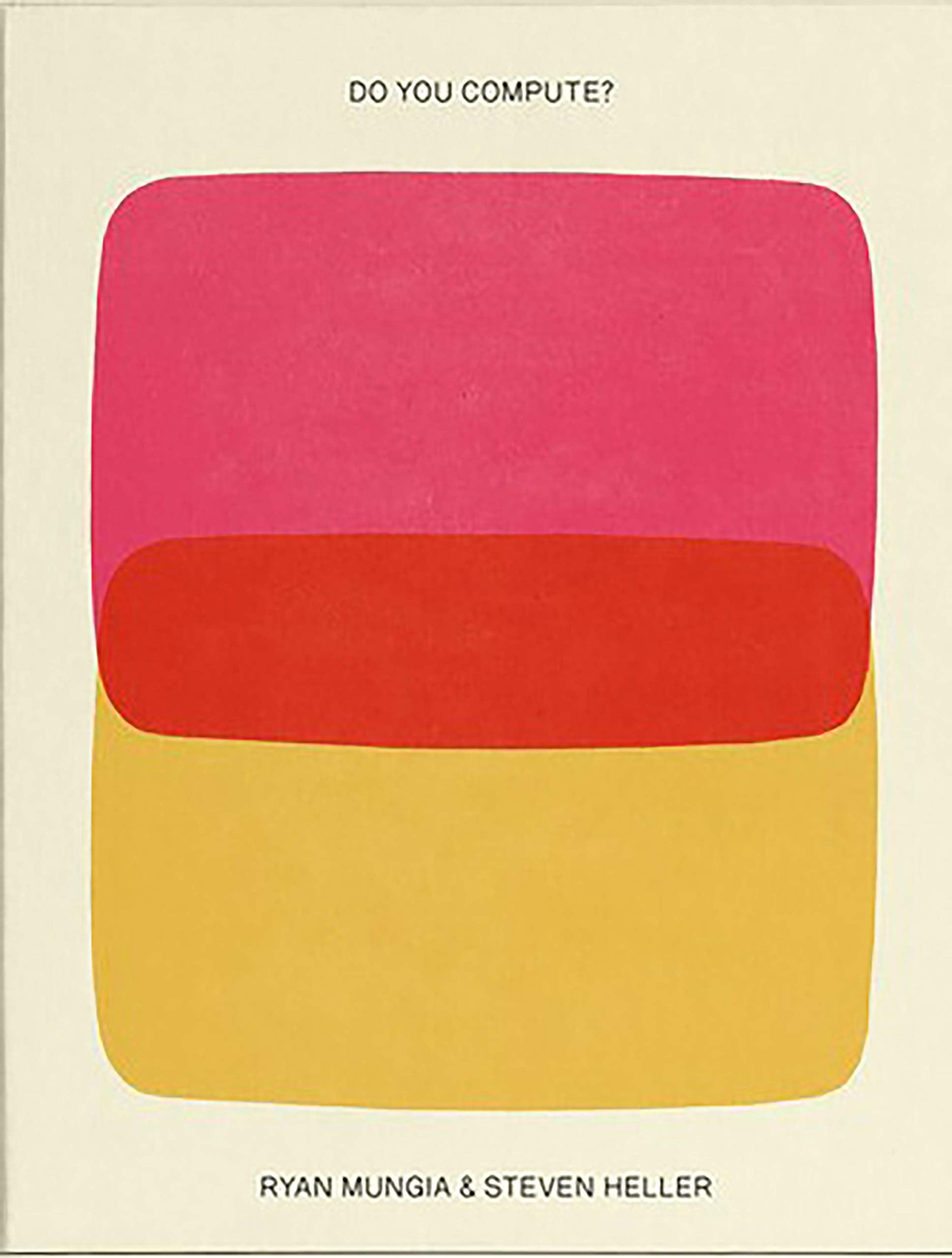
Before Alexa and the iPhone, there was the large and unwieldy mainframe computer. In the postwar 1950s, computers were mostly used for aerospace and accounting purposes. To the public at large, they were on a rung that existed somewhere between engineering and science fiction. Magazine ads and marketing brochures were designed to create a fantasy surrounding these machines for prospective clients: Higher profit margins! Creativity unleashed! Total automation! With the invention of the microchip in the 1970s came the PC and video games, which shifted the target of computer advertising from corporations to the individual. By the end of the millennium, the notion of selling tech burst wide open to include robots, cell phones, blogs, online dating services, and much, much more.Do You Compute? is a broad survey featuring the very best of computer advertising in the 20th century. From the Atomic Age to the Y2K bug, this volume presents a "greatest hits" selection of graphic gems culled from museums, university archives, and private collections to illustrate the evolution of the computer from its early days as a hulking piece of machinery to its current state as a handheld device.Accompanied by two essaysone by cultural anthropologist Ryan Mungia and the other by graphic design historian Steven Hellerand including five different decadelong timelines that highlight some of the most influential moments in computer history, this fun yet meaningful volume is a unique look at the computer and how it has shaped our world.
⚠️ WARNING (California Proposition 65):
This product may contain chemicals known to the State of California to cause cancer,
birth defects, or other reproductive harm.
For MAP (Minimum Advertised Price) violations and Intellectual Property (IP) or Trademark concerns, please contact:
support@ergodebooks.com
⚠️ California Proposition 65 Warning: Some products sold on this website may expose you to chemicals known to the State of California to cause cancer, birth defects, or other reproductive harm. For more information, visit www.P65Warnings.ca.gov.