
Title
Dogma And Ecumenism: Vatican Ii And Karl Barth'S Ad Limina Apostolorum,Used
Sold by Ergodebooks, an authorized reseller.
Returns accepted within 30 days | support@ergodebooks.com
Shipping Information
- Free Standard Shipping — United States only
- Processing Time: 3–5 business days
- Estimated Delivery: 6–10 business days after dispatch
- Double-boxed, fully insured & discreetly packaged
- Tracking number sent via email once dispatched
Returns & Refund
Returns accepted within 30 days of delivery.
Damaged or Defective Item
Free return shipping + replacement or full refund
Wrong Item Received
Free return shipping + replacement or full refund
Change of Mind
Return shipping at customer's expense · 25% restocking fee applies
Payment Option

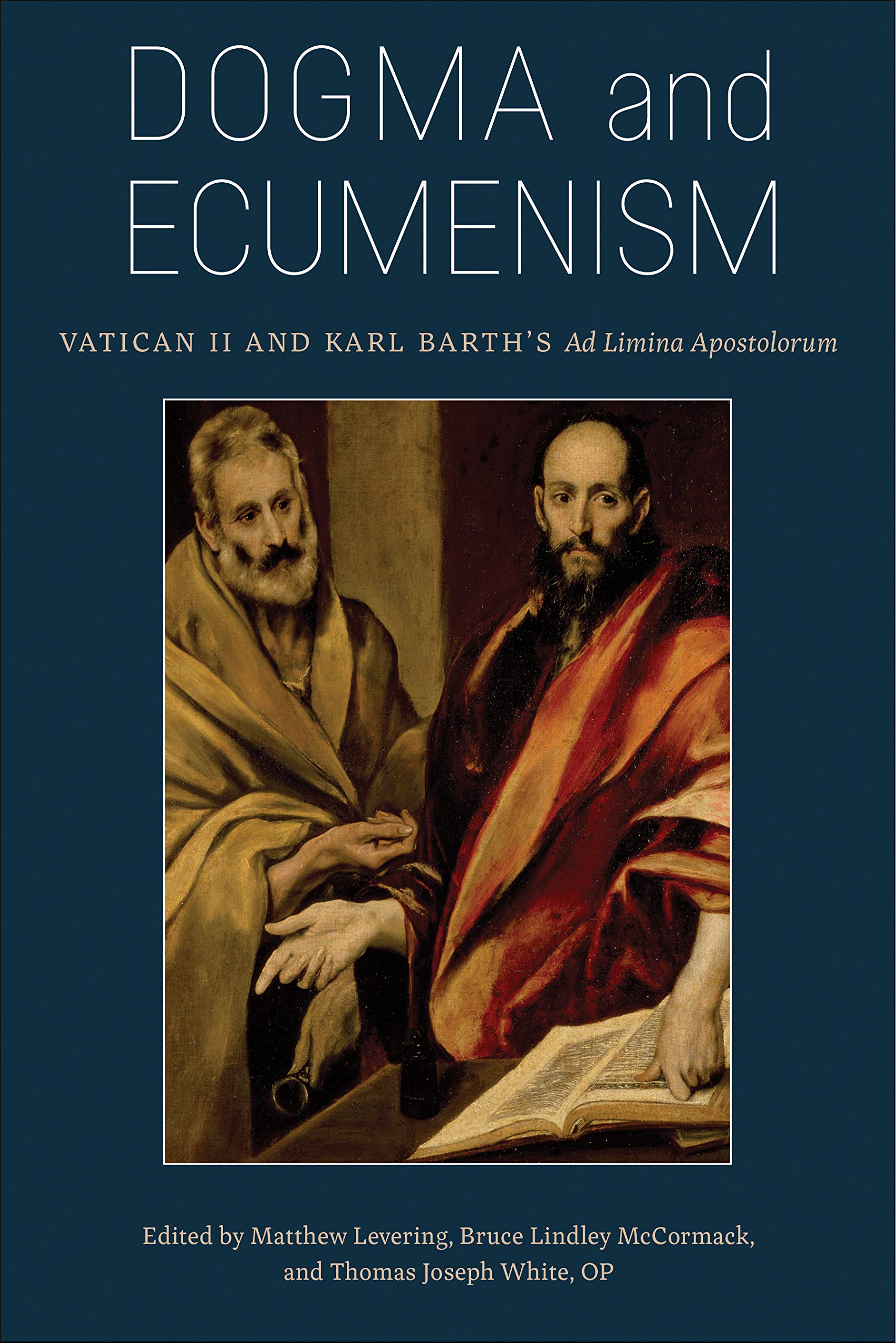
The conversation of this book is structured around five major documents from the Second Vatican Council, each of which Barth commented upon in his short but penetrating response to the Council, published as Ad Limina Apostolorum. In the two opening essays, Thomas Joseph White reflects upon the contribution that this book seeks to make to contemporary ecumenism rooted in awareness of the value of dogmatic theology; and Matthew Levering explores the way in which Barth's Ad Limina Apostolorum flows from his preconciliar dialogues with Catholic representatives of the nouvelle thologie and remain relevant to the issues facing Catholic theology today. The next two essays turn to Dei Verbum, the Dogmatic Constitution on Divine Revelation; here Katherine Sonderegger (Protestant) reflects on scripture and Lewis Ayres (Catholic) reflects on tradition. The next two essays address the Dogmatic Constitution on the Church, Lumen Gentium, which touches upon central differences of Catholic and Protestant selfunderstanding. Christoph Schwbel (Protestant) analyzes visible ecclesial identity as conceived in a Protestant context, while Thomas Joseph White (Catholic) engages Barth's Reformed criticisms of the Catholic notion of the Church. The next two essays take up Nostra Aetate: Bruce Lindley McCormack (Protestant) asks whether it is true to say that Muslims worship the same God as Christians, and Bruce D. Marshall (Catholic) explores the implications of the Council's reflections on the Jewish people. The next two essays take up the Pastoral Constitution on the Church in the Modern World, Gaudium et Spes: John Bowlin (Protestant) makes use of the thought of Aquinas to consider the promise and perils of the document, while Francesca Aran Murphy (Catholic) engages critically with George Lindbeck's analysis of the document. The next two essays explore Unitatis Redintegratio: Hans Boersma (Protestant) asks whether the ecumenical intention of the document is impaired by its insistence that the unity of the Church is already present in the Catholic Church, and Reinhard Htter (Catholic) systematically addresses Barth's questions regarding the document. The noted ecumenist and Catholic theologian Richard Schenk brings the volume to a close by reflecting on 'true and false ecumenism' in the postconciliar period.
⚠️ WARNING (California Proposition 65):
This product may contain chemicals known to the State of California to cause cancer, birth defects, or other reproductive harm.
For more information, please visit www.P65Warnings.ca.gov.