
Title
Doing Psychoanalysis in Tehran (Mit Press),Used
Sold by Ergodebooks, an authorized reseller.
Returns accepted within 30 days | support@ergodebooks.com
Shipping Information
- Free Standard Shipping — United States only
- Processing Time: 3–5 business days
- Estimated Delivery: 6–10 business days after dispatch
- Double-boxed, fully insured & discreetly packaged
- Tracking number sent via email once dispatched
Returns & Refund
Returns accepted within 30 days of delivery.
Damaged or Defective Item
Free return shipping + replacement or full refund
Wrong Item Received
Free return shipping + replacement or full refund
Change of Mind
Return shipping at customer's expense · 25% restocking fee applies
Payment Option

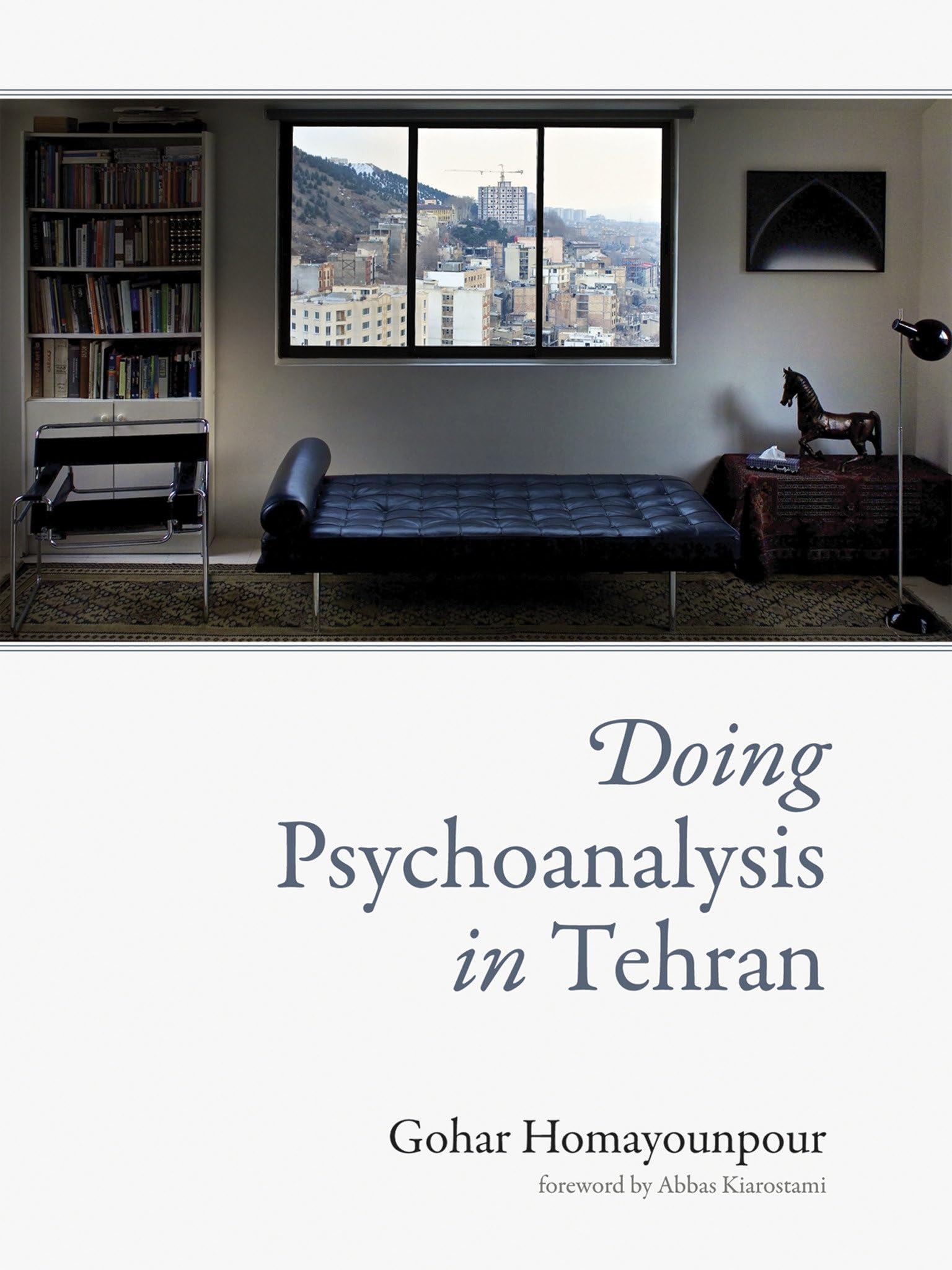
A Westerntrained psychoanalyst returns to her homeland and tells stories of displacement, nostalgia, love, and pain.Is psychoanalysis possible in the Islamic Republic of Iran? This is the question that Gohar Homayounpour poses to herself, and to us, at the beginning of this memoir of displacement, nostalgia, love, and pain. Twenty years after leaving her country, Homayounpour, an Iranian, Westerntrained psychoanalyst, returns to Tehran to establish a psychoanalytic practice. When an American colleague exclaims, I do not think that Iranians can freeassociate! Homayounpour responds that in her opinion Iranians do nothing but. Iranian culture, she says, revolves around stories. Why wouldn't Freud's methods work, given Iranians' need to talk?Thus begins a fascinating narrative of interlocking stories that resemblesmore than a littlea psychoanalytic session. Homayounpour recounts the pleasure and pain of returning to her motherland, her passion for the work of Milan Kundera, her complex relationship with Kundera's Iranian translator (her father), and her own and other Iranians' anxieties of influence and disobedience. Woven throughout the narrative are glimpses of her sometimes frustrating, always candid, sessions with patients. Ms. N, a famous artist, dreams of abandonment and sits in the analyst's chair rather than on the analysand's couch; a young chadorclad woman expresses shame because she has lost her virginity; an eloquently suicidal young man cannot kill himself.As a psychoanalyst, Homayounpour knows that behind every story told is another story that remains untold. Doing Psychoanalysis in Tehran connects the stories, spoken and unspoken, that ordinary Iranians tell about their lives before their hour is up.
⚠️ WARNING (California Proposition 65):
This product may contain chemicals known to the State of California to cause cancer, birth defects, or other reproductive harm.
For more information, please visit www.P65Warnings.ca.gov.