
Title
Domination Without Dominance: Incaspanish Encounters In Early Colonial Peru (Latin America Otherwise),New
Sold by Ergodebooks, an authorized reseller.
Returns accepted within 30 days | support@ergodebooks.com
Shipping Information
- Free Standard Shipping — United States only
- Processing Time: 3–5 business days
- Estimated Delivery: 6–10 business days after dispatch
- Double-boxed, fully insured & discreetly packaged
- Tracking number sent via email once dispatched
Returns & Refund
Returns accepted within 30 days of delivery.
Damaged or Defective Item
Free return shipping + replacement or full refund
Wrong Item Received
Free return shipping + replacement or full refund
Change of Mind
Return shipping at customer's expense · 25% restocking fee applies
Payment Option

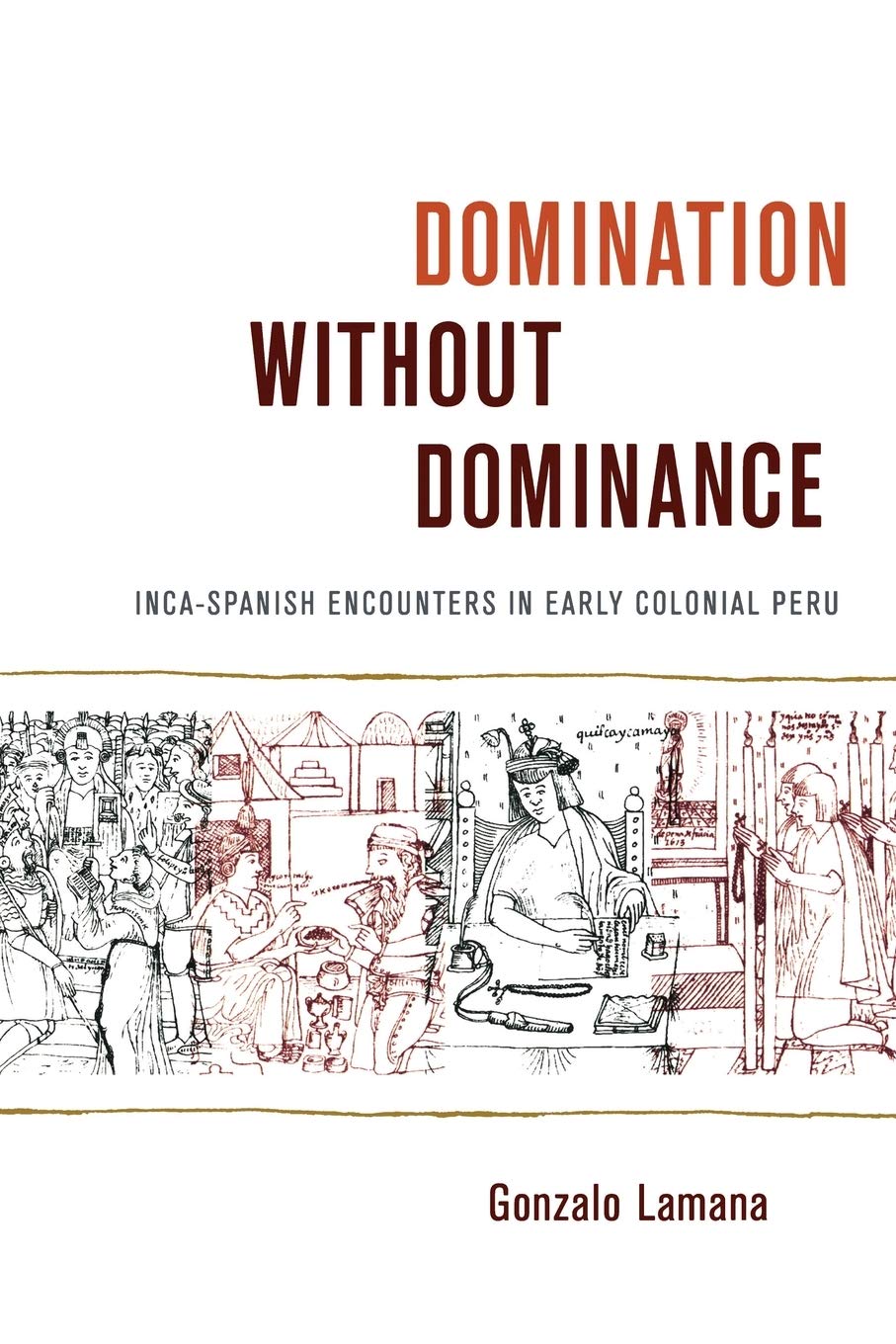
Offering an alternative narrative of the conquest of the Incas, Gonzalo Lamana both examines and shifts away from the colonial imprint that still permeates most accounts of the conquest. Lamana focuses on a key moment of transition: the years that bridged the first contact between Spanish conquistadores and Andean peoples in 1531 and the moment, around 1550, when a functioning colonial regime emerged. Using published accounts and array of archival sources, he focuses on questions of subalternization, meaning making, copying, and exotization, which proved crucial to both the Spaniards and the Incas. On the one hand, he reinserts different epistemologies into the conquest narrative, making central to the plot oftendismissed, discrepant stories such as books that were expected to talk and yearlong attacks that could only be launched under a full moon. On the other hand, he questions the dominant image of a clear distinction between Inca and Spaniard, showing instead that on the battlefield as much as in everyday arenas such as conversion, market exchanges, politics, and land tenure, the parties blurred into each other in repeated instances of mimicry.Lamanas redefinition of the order of things reveals that, contrary to the conquerors accounts, what the Spanairds achieved was a domination without dominance. This conclusion undermines common ideas of Spanish (and Western) superiority. It shows that casting order as a byproduct of military action rests on a pervasive fallacy: the translation of military superiority into cultural superiority. In constant dialogue with critical thinking from different disciplines and traditions, Lamana illuminates how this new interpretation of the conquest of the Incas revises current understandings of Western colonialism and the emergence of stillcurrent global configurations.
⚠️ WARNING (California Proposition 65):
This product may contain chemicals known to the State of California to cause cancer, birth defects, or other reproductive harm.
For more information, please visit www.P65Warnings.ca.gov.