If you have any questions, you are always welcome to contact us. We'll get back to you as soon as possible, withing 24 hours on weekdays.
Customer service
All questions about your order, return and delivery must be sent to our customer service team by e-mail at yourstore@yourdomain.com
Sale & Press
If you are interested in selling our products, need more information about our brand or wish to make a collaboration, please contact us at press@yourdomain.com
Help
If you have any questions, you are always welcome to contact us. We'll get back to you as soon as possible, withing 24 hours on weekdays.
Customer service
All questions about your order, return and delivery must be sent to our customer service team by e-mail at yourstore@yourdomain.com
Sale & Press
If you are interested in selling our products, need more information about our brand or wish to make a collaboration, please contact us at press@yourdomain.com
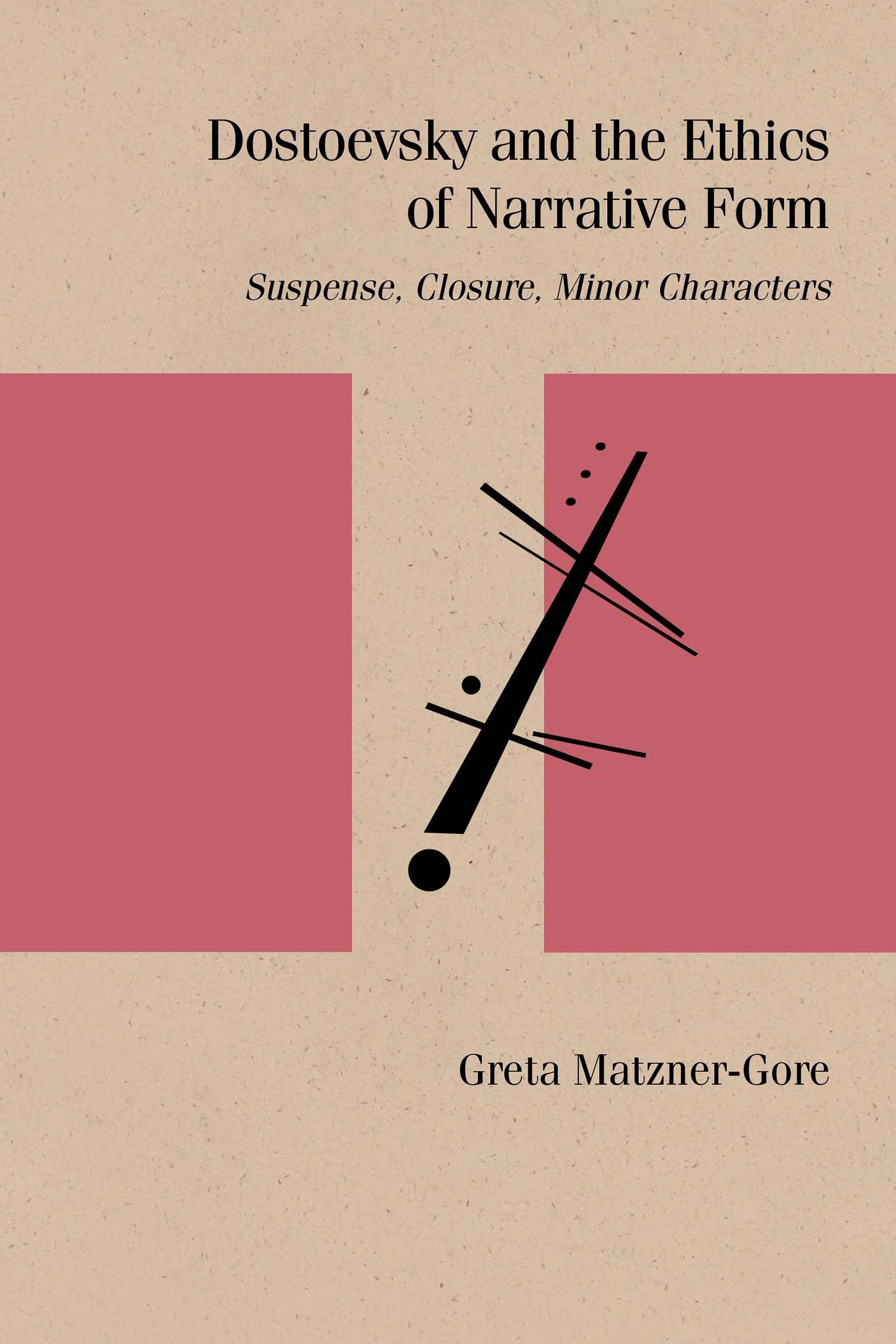
Three questions of novelistic form preoccupied Fyodor Dostoevsky throughout his career: how to build suspense, how to end a narrative effectively, and how to distribute attention among major and minor characters. For Dostoevsky, these were much more than practical questions about novelistic craft; they were ethical questions as well. Dostoevsky and the Ethics of Narrative Form traces Dostoevskys indefatigable investigations into the ethical implications of his own formal choices. Drawing on his drafts, notebooks, and writings on aesthetics, Greta MatznerGore argues that Dostoevsky wove the moral and formal questions that obsessed him into the fabric of his last three novels: Demons, The Adolescent, and The Brothers Karamazov. In so doing, he anticipated some of the most pressing debates taking place in the study of narrative ethics today.
⚠️ WARNING (California Proposition 65):
This product may contain chemicals known to the State of California to cause cancer,
birth defects, or other reproductive harm.
For MAP (Minimum Advertised Price) violations and Intellectual Property (IP) or Trademark concerns, please contact:
support@ergodebooks.com
⚠️ California Proposition 65 Warning: Some products sold on this website may expose you to chemicals known to the State of California to cause cancer, birth defects, or other reproductive harm. For more information, visit www.P65Warnings.ca.gov.