
Title
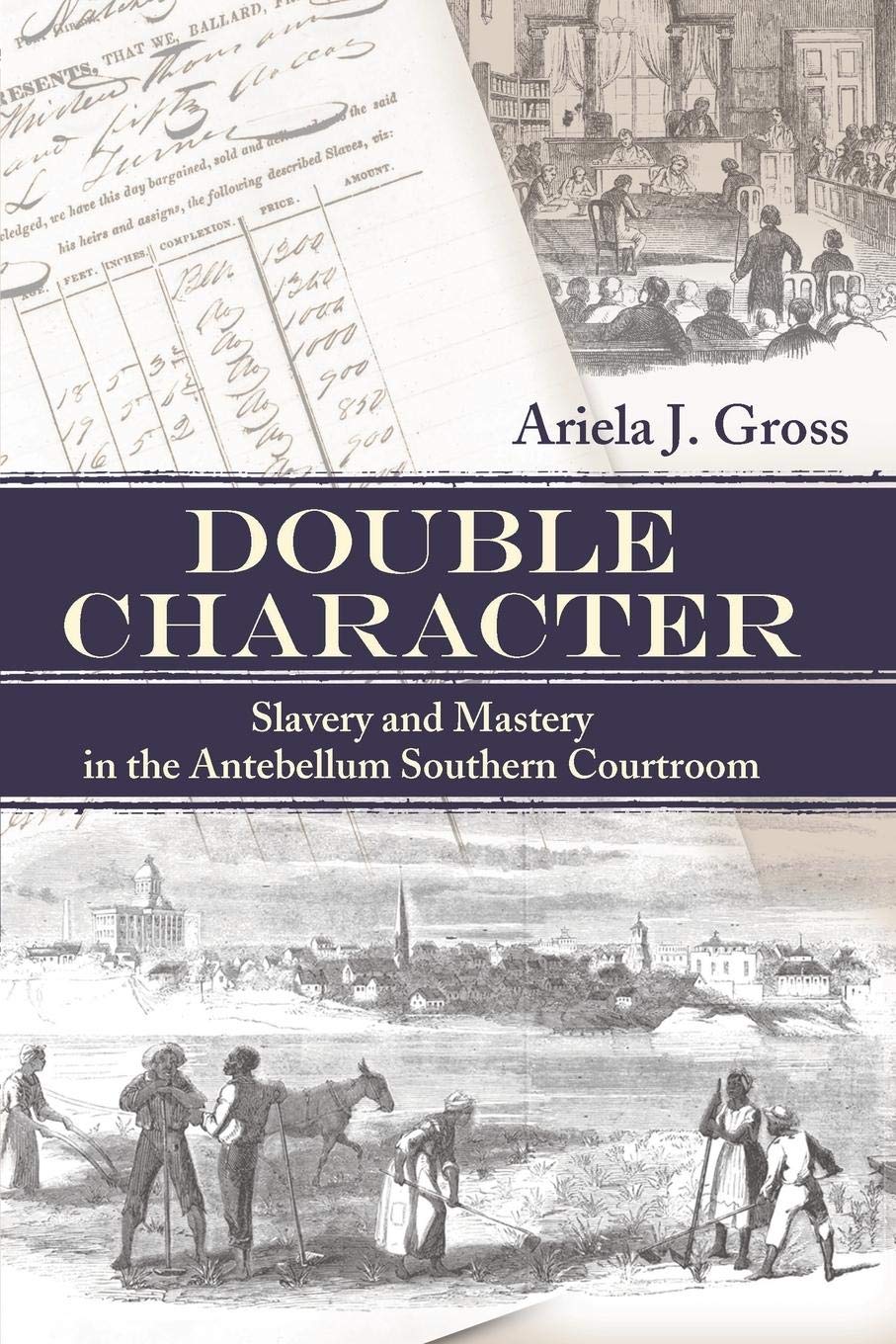
Double Character: Slavery And Mastery In The Antebellum Southern Courtroom (Studies In The Legal History Of The South Ser.),New
Sold by Ergodebooks, an authorized reseller.
Returns accepted within 30 days | support@ergodebooks.com
Shipping Information
- Free Standard Shipping — United States only
- Processing Time: 3–5 business days
- Estimated Delivery: 6–10 business days after dispatch
- Double-boxed, fully insured & discreetly packaged
- Tracking number sent via email once dispatched
Returns & Refund
Returns accepted within 30 days of delivery.
Damaged or Defective Item
Free return shipping + replacement or full refund
Wrong Item Received
Free return shipping + replacement or full refund
Change of Mind
Return shipping at customer's expense · 25% restocking fee applies
Payment Option

This Groundbreaking Study Of The Law And Culture Of Slavery In The Antebellum Deep South Takes Readers Into Local Courtrooms Where People Settled Their Civil Disputes Over Property. Buyers Sued Sellers For Breach Of Warranty When They Considered Slaves To Be Physically Or Morally Defective; Owners Sued Supervisors Who Whipped Or Neglected Slaves Under Their Care.How, Asks Ariela J. Gross, Did Communities Reconcile The Dilemmas Such Trials Raised Concerning The Character Of Slaves And Masters? Although Slaves Could Not Testify In Court, Their Character Was Unavoidably At Issueand So Their Moral Agency Intruded Into The Courtroom. In Addition, Says Gross, 'Wherever The Argument That Black Character Depended On Management By A White Man Appeared, That White Man'S Good Character Depended On The Demonstration That Bad Black Character Had Other Sources.'This Led, For Example, To Physicians Testifying That Pathologies, Not Any Shortcomings Of Their Master, Drove Slaves To Became Runaways. Gross Teases Out Other Threads Of Complexity Woven Into These Trials: The Ways That Legal Disputes Were Also Affairs Of Honor Between White Men; How Witnesses And Litigants Based Their Views Of Slaves' Character On Narratives Available In The Culture At Large; And How Law Reflected And Shaped Racial Ideology. Combining Methods Of Cultural Anthropology, Quantitative Social History, And Critical Race Theory, Double Character Brings To Life The Law As A Dramatic Ritual In People'S Daily Lives, And Advances Critical Historical Debates About Law, Honor, And Commerce In The American South.
⚠️ WARNING (California Proposition 65):
This product may contain chemicals known to the State of California to cause cancer, birth defects, or other reproductive harm.
For more information, please visit www.P65Warnings.ca.gov.