
Title
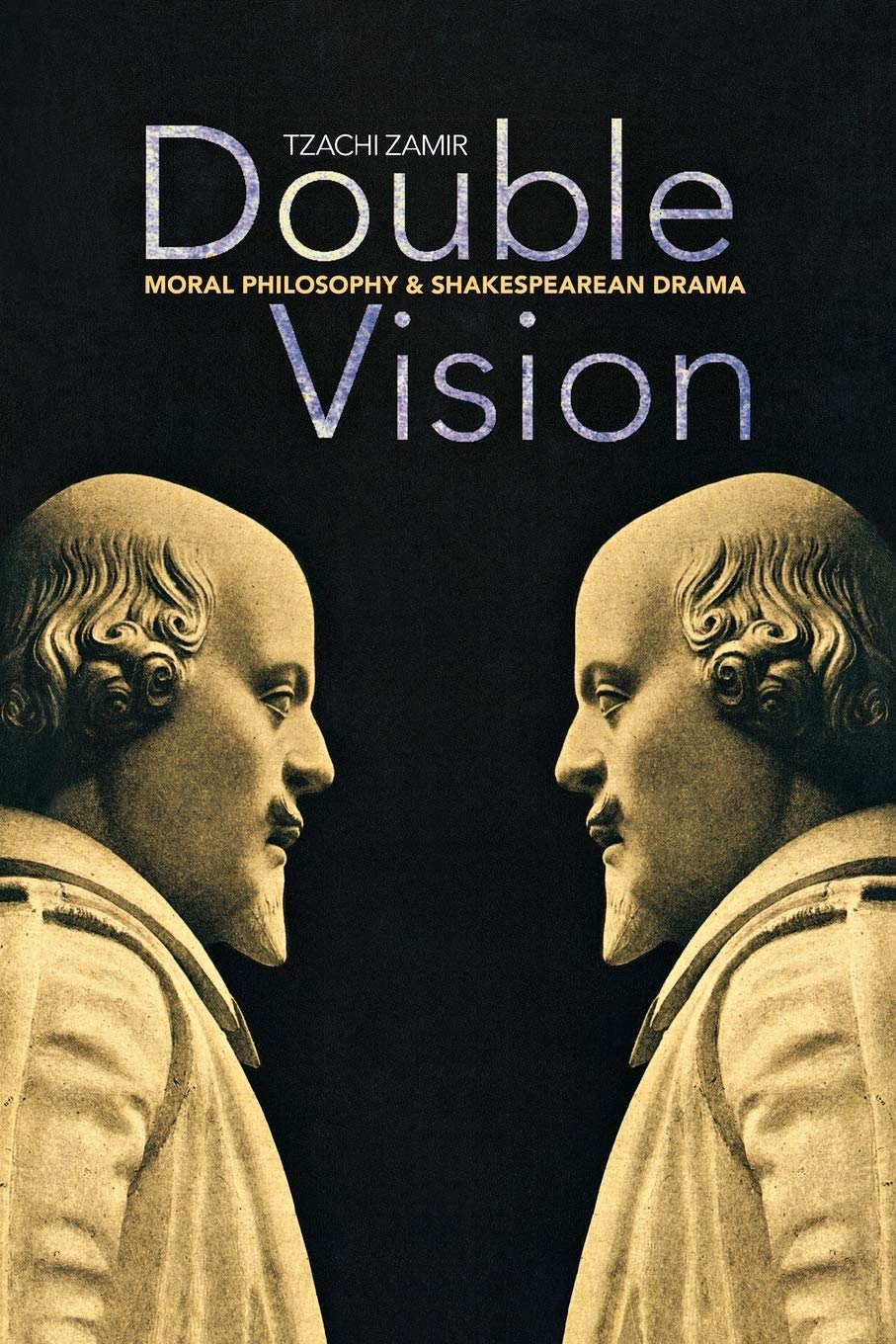
Double Vision: Moral Philosophy and Shakespearean Drama,Used
Sold by Ergodebooks, an authorized reseller.
Returns accepted within 30 days | support@ergodebooks.com
Shipping Information
- Free Standard Shipping — United States only
- Processing Time: 3–5 business days
- Estimated Delivery: 6–10 business days after dispatch
- Double-boxed, fully insured & discreetly packaged
- Tracking number sent via email once dispatched
Returns & Refund
Returns accepted within 30 days of delivery.
Damaged or Defective Item
Free return shipping + replacement or full refund
Wrong Item Received
Free return shipping + replacement or full refund
Change of Mind
Return shipping at customer's expense · 25% restocking fee applies
Payment Option

Hamlet tells Horatio that there are more things in heaven and earth than are dreamt of in his philosophy. In Double Vision, philosopher and literary critic Tzachi Zamir argues that there are more things in Hamlet than are dreamt ofor at least concededby most philosophers. Making an original and persuasive case for the philosophical value of literature, Zamir suggests that certain important philosophical insights can be gained only through literature. But such insights cannot be reached if literature is deployed merely as an aesthetic sugaring of a conceptual pill. Philosophical knowledge is not opposed to, but is consonant with, the literariness of literature. By focusing on the experience of reading literature as literature and not philosophy, Zamir sets a theoretical framework for a philosophically oriented literary criticism that will appeal both to philosophers and literary critics.Double Vision is concerned with the philosophical understanding induced by the aesthetic experience of literature. Literary works can function as credible philosophical argumentsnot ones in which claims are conclusively demonstrated, but in which claims are made plausible. Such claims, Zamir argues, are embedded within an experiential structure that is itself a crucial dimension of knowing. Developing an account of literature's relation to knowledge, morality, and rhetoric, and advancing philosophicalliterary readings of Richard III, Macbeth, Romeo and Juliet, Othello, Antony and Cleopatra, Hamlet, and King Lear, Zamir shows how his approach can open up familiar texts in surprising and rewarding ways.
⚠️ WARNING (California Proposition 65):
This product may contain chemicals known to the State of California to cause cancer, birth defects, or other reproductive harm.
For more information, please visit www.P65Warnings.ca.gov.