
Title
Down the Asphalt Path,Used
Sold by Ergodebooks, an authorized reseller.
Returns accepted within 30 days | support@ergodebooks.com
Shipping Information
- Free Standard Shipping — United States only
- Processing Time: 3–5 business days
- Estimated Delivery: 6–10 business days after dispatch
- Double-boxed, fully insured & discreetly packaged
- Tracking number sent via email once dispatched
Returns & Refund
Returns accepted within 30 days of delivery.
Damaged or Defective Item
Free return shipping + replacement or full refund
Wrong Item Received
Free return shipping + replacement or full refund
Change of Mind
Return shipping at customer's expense · 25% restocking fee applies
Payment Option

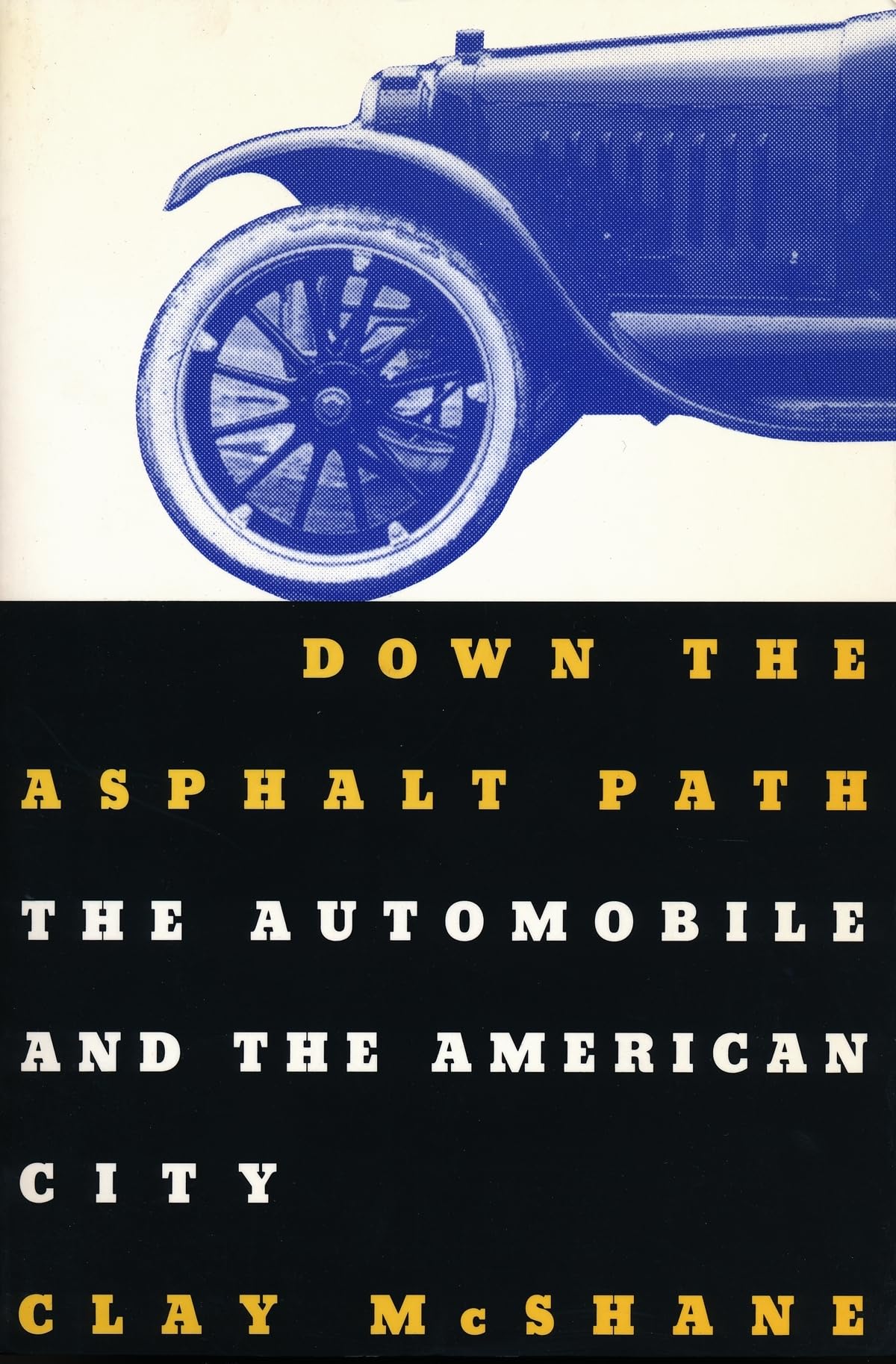
Imagine a world without automobiles, traffic lights, and interstate highways. Or the words commuter and parking. For a nation that prides itself on the freedom of movement and the long weekend, this seems nearly impossible.In Down the Asphalt Path, Clay McShane examines the uniquely American relation between automobility and urbanization. Writing at the cutting edge of urban and technological history, McShane focuses on how new transportation systemsmost important, the private automobileand new concepts of the city redefined each other in modern America. We swiftly motor across the country from Boston to New York to Milwaukee to Los Angeles and the suburbs in between as McShane chronicles the urban embrace of the automobile.McShane begins with midnineteenth century municipal bans on horseless carriages, a response to public fears of accidents and pollution. After cities redesigned roads to encourage new forms of trasnport, especially trolley cars, light carriages, and bicycles, the bans disappeared in the 1890s. With the advent of the automobile, metropolitan elites quickly and permanently established cars as status symbols. Down the Asphalt Path also explains the escapist appeal of the motor car to many Americans constrained by traditional social values.This book includes more than thirty photographs detailing the transformation of urban transportation. They bring to life chapters on modes of travel before the trolley; the push for parks, parkways, and suburbanization; the car in popular culture; and the battle for traffic safety and regulation. McShane's analysis of gender relations in the rise of automobilityin particular, definitions of gender in terms of mechanical skill and of driving as male poweris both timely and innovative.Wonderfully readable, this book will be a treasure for readers of urban history, popular culture, and technologyas well as car buffs.
⚠️ WARNING (California Proposition 65):
This product may contain chemicals known to the State of California to cause cancer, birth defects, or other reproductive harm.
For more information, please visit www.P65Warnings.ca.gov.