
Title
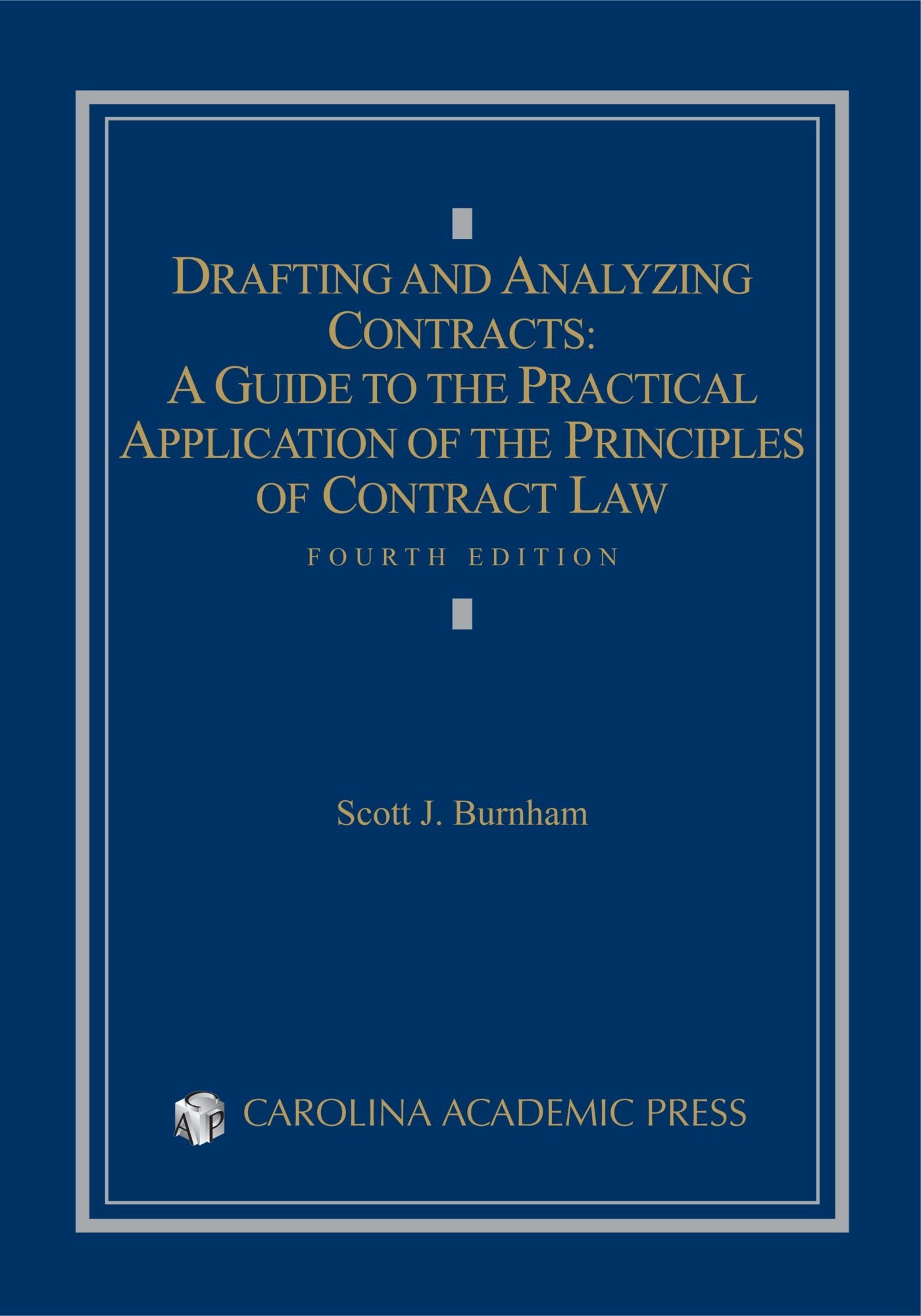
Drafting and Analyzing Contracts: A Guide to the Practical Application of the Principles of Contract Law,Used
Sold by Ergodebooks, an authorized reseller.
Returns accepted within 30 days | support@ergodebooks.com
Shipping Information
- Free Standard Shipping — United States only
- Processing Time: 3–5 business days
- Estimated Delivery: 6–10 business days after dispatch
- Double-boxed, fully insured & discreetly packaged
- Tracking number sent via email once dispatched
Returns & Refund
Returns accepted within 30 days of delivery.
Damaged or Defective Item
Free return shipping + replacement or full refund
Wrong Item Received
Free return shipping + replacement or full refund
Change of Mind
Return shipping at customer's expense · 25% restocking fee applies
Payment Option

Drafting and Analyzing Contracts (called Drafting Contracts in its first two editions) has three major parts: Part I is organized around the topics that are studied in the first year Contracts course. Part II teaches the skills of contract drafting. Part III teaches how to read a contract.The purpose of this book is to apply the principles of contract law to the drafting of agreements. Each chapter discusses the substance of contracts as applied to drafting and suggests language that may be employed to accomplish the purpose. Drafting and Analyzing Contracts uses drafting to: exemplify the principles of contract law illustrate the principles in a planning context develop the skills of a lawyer.Part I (How the Principles of Contract Law are Exemplified in Drafting) contains 14 chapters that illuminate the substantive law. For example: Chapter 7 demonstrates the problems that can arise from ambiguity and how to cure them; and Chapter 10 makes clear how drafters can use the concept of conditions to accomplish their goals. This Part is particularly useful to supplement the firstyear Contracts class.Part II (How the Principles of Drafting are Exemplified in Contracts) teaches techniques for contract drafting, including Drafting in Plain Language and Drafting with a Computer. This Part reinforces the substantive law and is particularly useful for upperdivision classes that teach drafting.Part III (How to Read and Analyze a Contract) shows how attorneys rely on forms and models where there is no opportunity for drafting. Therefore, attorneys must first read a contract before redrafting it or explaining it to a client. Students who follow the '5 passes' process for reading contracts will develop and deepen their analytical skills.A thorough Teacher's Manual (available only to professors) provides guidance on teaching drafting, commentary on all parts of the book, solutions to all the problems, additional problems, and a bibliography.
⚠️ WARNING (California Proposition 65):
This product may contain chemicals known to the State of California to cause cancer, birth defects, or other reproductive harm.
For more information, please visit www.P65Warnings.ca.gov.