
Title
Drafting Culture: A Social History of Architectural Graphics Standards,Used
Sold by Ergodebooks, an authorized reseller.
Returns accepted within 30 days | support@ergodebooks.com
Shipping Information
- Free Standard Shipping — United States only
- Processing Time: 3–5 business days
- Estimated Delivery: 6–10 business days after dispatch
- Double-boxed, fully insured & discreetly packaged
- Tracking number sent via email once dispatched
Returns & Refund
Returns accepted within 30 days of delivery.
Damaged or Defective Item
Free return shipping + replacement or full refund
Wrong Item Received
Free return shipping + replacement or full refund
Change of Mind
Return shipping at customer's expense · 25% restocking fee applies
Payment Option

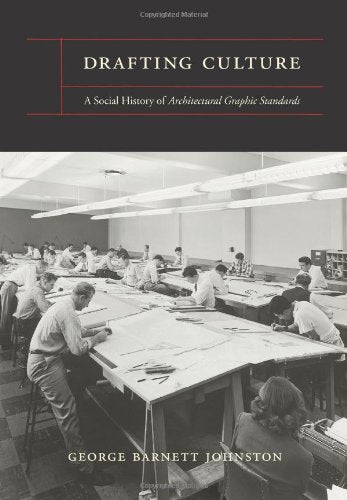
An examination of the standard reference book for architects as both practical sourcebook and window on changes in the profession.Architectural Graphics Standards by Charles George Ramsey and Harold Reeve Sleeper, first published in 1932 (and now in its eleventh edition), is a definitive technical reference for architectsthe one book that every architect needs to own. The authors, one a draftsman and the other an architect, created a graphic compilation of standards that amounted to an index of the combined knowledge of their profession. This first comprehensive history of Ramsey and Sleeper's classic work explores the changing practical uses that this draftsman's Bible has served, as well as the ways in which it has registered the shifts within the architectural profession since the first half of the twentieth century. When Architectural Graphics Standards first appeared, architecture was undergoing its transition from vocation to professionfrom the draftsman's craft to the architect's academically based knowledge with a concomitant rise in social status. The older drafting culture gave way to massive postwar changes in design and building practice. Writing a history of the architectural profession from the bottom upfrom the standpoint of the architectural draftsmanGeorge Barnett Johnston clarifies the role and status of the subordinate architectural workers who once made up the base of the profession. Johnston's account of the evolution of Ramsey and Sleeper's book also offers a case study of the social hierarchies embedded within architecture's division of labor. Johnston investigates what became of the draftsman, and what became of drafting culture, and asksimportantly, in today's era of digital formatswhat price is exacted from architectural labor as architecture pursues new professional ideals.
⚠️ WARNING (California Proposition 65):
This product may contain chemicals known to the State of California to cause cancer, birth defects, or other reproductive harm.
For more information, please visit www.P65Warnings.ca.gov.