
Title

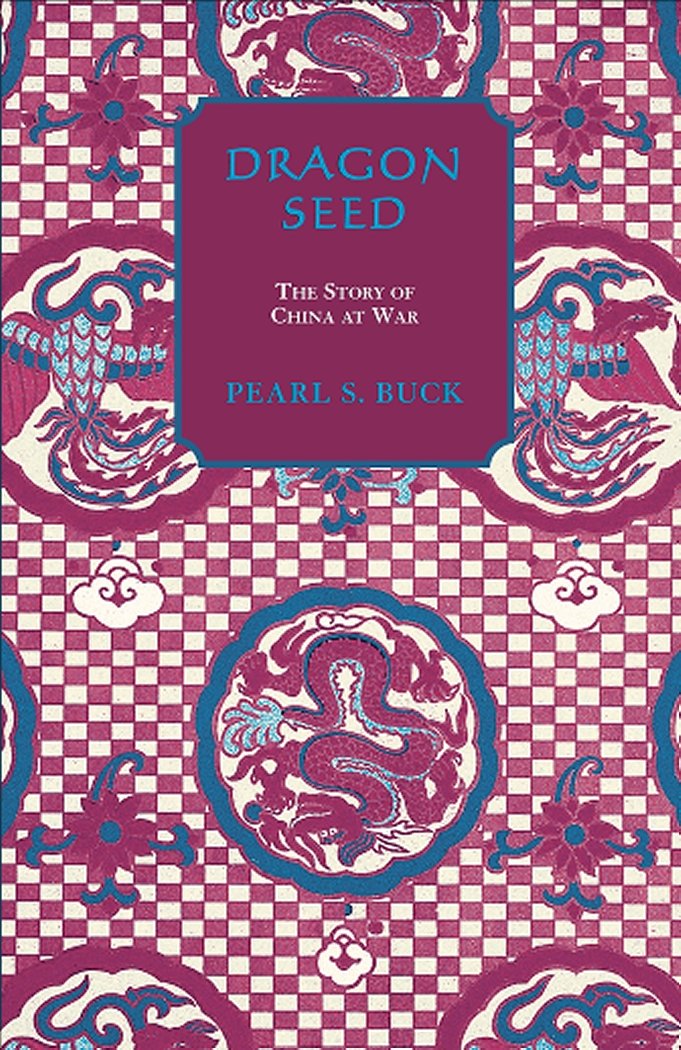
Buck, Pearl S. - Dragon Seed (Oriental Novel) - Classic Literature by Acclaimed Author
Sold by Ergodebooks, an authorized reseller.
Returns accepted within 30 days | support@ergodebooks.com
Shipping Information
- Free Standard Shipping — United States only
- Processing Time: 3–5 business days
- Estimated Delivery: 6–10 business days after dispatch
- Double-boxed, fully insured & discreetly packaged
- Tracking number sent via email once dispatched
Returns & Refund
Returns accepted within 30 days of delivery.
Damaged or Defective Item
Free return shipping + replacement or full refund
Wrong Item Received
Free return shipping + replacement or full refund
Change of Mind
Return shipping at customer's expense · 25% restocking fee applies
Payment Option

The story of Tzu Hsi, the last empress of China, is brought to life in this compelling novel by Nobel Prize Winner, Pearl S. Buck. This book is perfect for readers interested in historical fiction and those who seek to understand the complexities of a ruler during a significant period of change in China.
In this meticulously crafted narrative, Pearl S. Buck delves into the life of Empress Tzu Hsi, offering insights into her personality and the tumultuous times she navigated. The author’s deep knowledge and fascination with Tzu Hsi's life create an engaging experience for readers. Buck illustrates the essence of this self-involved and controversial empress, while simultaneously chronicling China’s struggle for freedom and democracy. The book serves as both a biographical account and a reflection on the broader cultural and political landscape of the time.
Key Features:- Authoritative Perspective: Written by Nobel Prize Winner Pearl S. Buck, known for her profound understanding of Chinese culture.
- Historical Context: Provides a detailed look at the life and reign of Empress Tzu Hsi amidst a backdrop of political upheaval.
- Engaging Narrative: A blend of factual history and creative storytelling that captivates readers.
- In-depth Character Study: Offers a nuanced portrayal of Tzu Hsi, exploring her motivations and decisions.
- Cultural Insights: Readers gain a deeper understanding of China’s quest for freedom and democracy during the late Qing Dynasty.
- Richly Detailed: The book is filled with vivid descriptions that transport readers to historical China.
- Ideal for History Buffs: A must-read for those interested in historical fiction or Chinese history.
This novel is an excellent choice for history enthusiasts, students, and anyone interested in the complexities of leadership during challenging times. Pearl S. Buck's engaging writing style and thorough research provide a valuable perspective on Tzu Hsi’s life and the historical events surrounding her reign. Readers will find this book not only informative but also deeply moving, making it a significant addition to any literary collection.
⚠️ WARNING (California Proposition 65):
This product may contain chemicals known to the State of California to cause cancer, birth defects, or other reproductive harm.
For more information, please visit www.P65Warnings.ca.gov.
- Q: What is the main theme of 'Dragon Seed' by Pearl S. Buck? A: The main theme of 'Dragon Seed' revolves around the life of Tzu Hsi, the last empress of China, as she navigates the complexities of her rule during a turbulent period marked by the struggle for freedom and democracy.
- Q: Who is the author of 'Dragon Seed'? A: The author of 'Dragon Seed' is Pearl S. Buck, a Nobel Prize-winning writer known for her deep understanding of Chinese culture and history.
- Q: What is the publication date of 'Dragon Seed'? A: The publication date of 'Dragon Seed' is January 1, 2006.
- Q: What is the format of the book? A: 'Dragon Seed' is available in a paperback format.
- Q: How many pages does 'Dragon Seed' have? A: 'Dragon Seed' contains a total of 384 pages.
- Q: What condition is the book in? A: 'Dragon Seed' is listed as being in 'Good' condition.
- Q: Is there a specific edition of 'Dragon Seed'? A: Yes, 'Dragon Seed' is available as a First Edition.
- Q: What genre does 'Dragon Seed' belong to? A: 'Dragon Seed' is classified under the genre of historical fiction, particularly focusing on Oriental novels.
- Q: What is the setting of the novel? A: The setting of 'Dragon Seed' is primarily in China during the late Qing dynasty, highlighting the socio-political changes of the time.
- Q: What makes Pearl S. Buck's writing unique in 'Dragon Seed'? A: Pearl S. Buck's writing in 'Dragon Seed' is noted for its rich detail and emotional depth, reflecting her fascination with Chinese culture and the historical figure of Tzu Hsi.