
Title
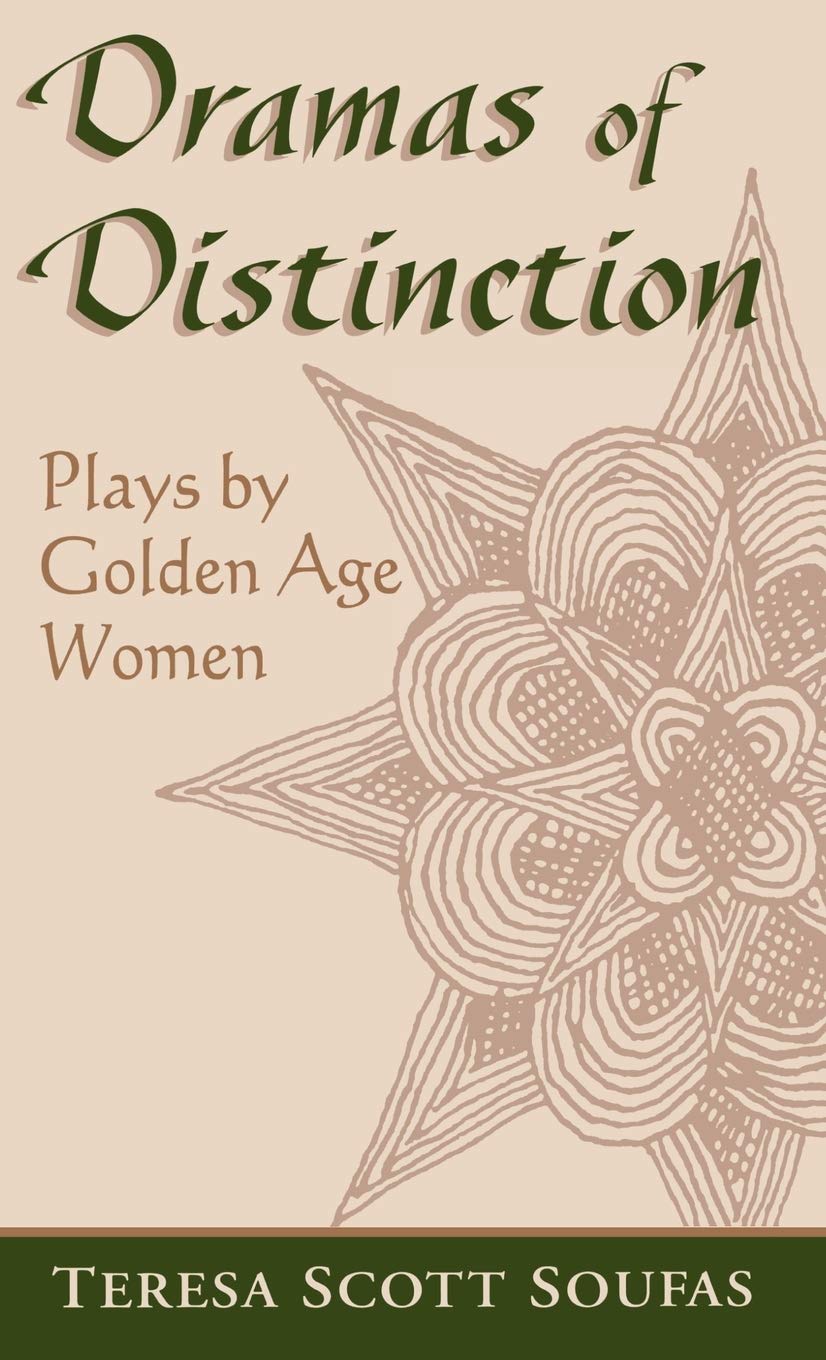
Dramas Of Distinction: Plays By Golden Age Women (Studies In Romance Languages),Used
Sold by Ergodebooks, an authorized reseller.
Returns accepted within 30 days | support@ergodebooks.com
Shipping Information
- Free Standard Shipping — United States only
- Processing Time: 3–5 business days
- Estimated Delivery: 6–10 business days after dispatch
- Double-boxed, fully insured & discreetly packaged
- Tracking number sent via email once dispatched
Returns & Refund
Returns accepted within 30 days of delivery.
Damaged or Defective Item
Free return shipping + replacement or full refund
Wrong Item Received
Free return shipping + replacement or full refund
Change of Mind
Return shipping at customer's expense · 25% restocking fee applies
Payment Option

Renaissance Europe was the scene of flourishing and innovative dramatic art, and seventeenthcentury Spain enjoyed its own Golden Age of the stage. According to traditional studies of this period, however, men seemed to be the only participants. Now in Dramas of Distinction, Teresa Scott Soufas offers the first booklength critical study of five important women playwrights: Angela de Azevedo, Ana Caro Mallen de Soto, Leonor de la Cueva y Silva, Feliciana Enriquez de Guzman, and Marfa de Zayas y Sotomayor.By locating the plays within their period, Soufas avoids universalizing women without regard to history. Her approach transcends the simple measurement of women authors against male models. Confronting the issue of female silence demanded by seventeenthcentury Spanish patriarchy, Soufas compares the drive to limit and contain theater space to Renaissance society's efforts to limit and contain women. Yet these dramatists still found ways to question their own roles and male authority. Caro and Cueva investigate the difficult relationship between women and monarchy. Azevedo explores the ways Renaissance women become commodities in the marriage market. Crossdressed women characters add carnivalesque implications to three plays in which gender identities are unstable. Finally, Enrfquez challenges the precepts of Lope de Vega's comedia nueva as she attempts to adhere to classical formal principles and reject the public playhouse.As a companion to the recently published anthology Women's Acts, also edited by Soufas, this study significantly contributes not only to Hispanic studies but also to women's studies, Renaissance studies, and comparative literature.
⚠️ WARNING (California Proposition 65):
This product may contain chemicals known to the State of California to cause cancer, birth defects, or other reproductive harm.
For more information, please visit www.P65Warnings.ca.gov.