If you have any questions, you are always welcome to contact us. We'll get back to you as soon as possible, withing 24 hours on weekdays.
Customer service
All questions about your order, return and delivery must be sent to our customer service team by e-mail at yourstore@yourdomain.com
Sale & Press
If you are interested in selling our products, need more information about our brand or wish to make a collaboration, please contact us at press@yourdomain.com
Help
If you have any questions, you are always welcome to contact us. We'll get back to you as soon as possible, withing 24 hours on weekdays.
Customer service
All questions about your order, return and delivery must be sent to our customer service team by e-mail at yourstore@yourdomain.com
Sale & Press
If you are interested in selling our products, need more information about our brand or wish to make a collaboration, please contact us at press@yourdomain.com
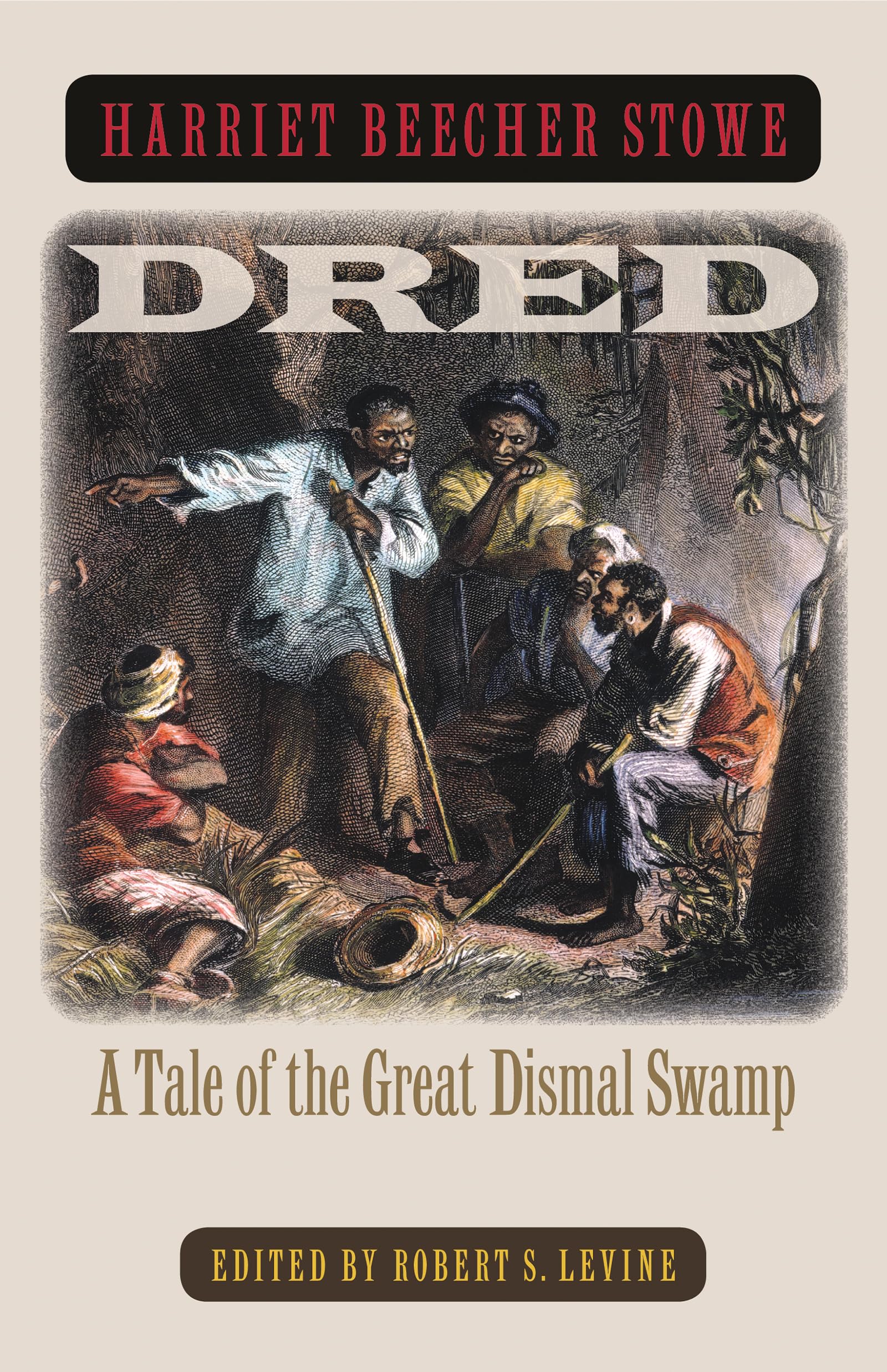
Harriet Beecher Stowe'S Second Antislavery Novel Was Written Partly In Response To The Criticisms Of Uncle Tom'S Cabin (1852) By Both White Southerners And Black Abolitionists. In Dred (1856), Stowe Attempts To Explore The Issue Of Slavery From An African American Perspective.Through The Compelling Stories Of Nina Gordon, The Mistress Of A Slave Plantation, And Dred, A Black Revolutionary, Stowe Brings To Life Conflicting Beliefs About Race, The Institution Of Slavery, And The Possibilities Of Violent Resistance. Probing The Political And Spiritual Goals That Fuel Dred'S Rebellion, Stowe Creates A Figure Far Different From The Acquiescent Christian Martyr Uncle Tom.In His Introduction To The Classic Novel, Robert S. Levine Outlines The Antislavery Debates In Which Stowe Had Become Deeply Involved Before And During Her Writing Of Dred. Levine Shows That In Addition To Its Significance In Literary History, The Novel Remains Relevant To Presentday Discussions Of Crossracial Perspectives.
⚠️ WARNING (California Proposition 65):
This product may contain chemicals known to the State of California to cause cancer,
birth defects, or other reproductive harm.
For MAP (Minimum Advertised Price) violations and Intellectual Property (IP) or Trademark concerns, please contact:
support@ergodebooks.com
⚠️ California Proposition 65 Warning: Some products sold on this website may expose you to chemicals known to the State of California to cause cancer, birth defects, or other reproductive harm. For more information, visit www.P65Warnings.ca.gov.