
Title
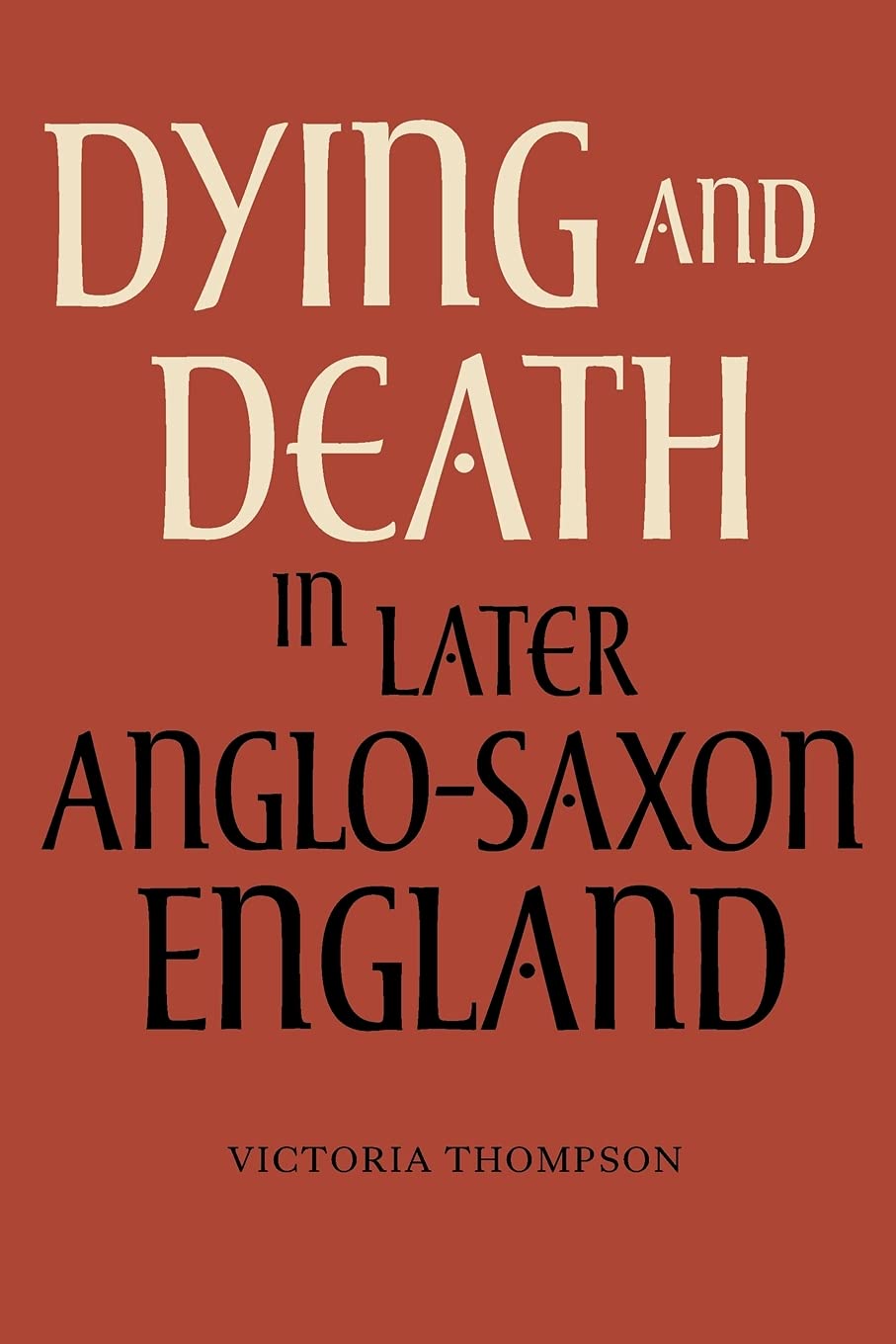
Dying and Death in Later AngloSaxon England (AngloSaxon Studies, 4),Used
Sold by Ergodebooks, an authorized reseller.
Returns accepted within 30 days | support@ergodebooks.com
Shipping Information
- Free Standard Shipping — United States only
- Processing Time: 3–5 business days
- Estimated Delivery: 6–10 business days after dispatch
- Double-boxed, fully insured & discreetly packaged
- Tracking number sent via email once dispatched
Returns & Refund
Returns accepted within 30 days of delivery.
Damaged or Defective Item
Free return shipping + replacement or full refund
Wrong Item Received
Free return shipping + replacement or full refund
Change of Mind
Return shipping at customer's expense · 25% restocking fee applies
Payment Option

Study of late AngloSaxon texts and grave monuments illuminates contemporary attitudes towards dying and the dead.PreConquest attitudes towards the dying and the dead have major implications for every aspect of culture, society and religion of the AngloSaxon period; but deathbed and funerary practices have been comparatively and unjustly neglected by historical scholarship. In her wideranging analysis, Dr Thompson examines such practices in the context of confessional and penitential literature, wills, poetry, chronicles and homilies, to show that complex and ambiguous ideas about death were current at all levels of AngloSaxon society. Her study also takes in grave monuments, showing in particular how the AngloScandinavian sculpture of the ninth to the eleventh centuries may indicate notonly the status, but also the religious and cultural alignment of those who commissioned and made them.Victoria Thompson is Lecturer in the Centre for Nordic Studies at the University of the Highlands and Islands.
⚠️ WARNING (California Proposition 65):
This product may contain chemicals known to the State of California to cause cancer, birth defects, or other reproductive harm.
For more information, please visit www.P65Warnings.ca.gov.