If you have any questions, you are always welcome to contact us. We'll get back to you as soon as possible, withing 24 hours on weekdays.
Customer service
All questions about your order, return and delivery must be sent to our customer service team by e-mail at yourstore@yourdomain.com
Sale & Press
If you are interested in selling our products, need more information about our brand or wish to make a collaboration, please contact us at press@yourdomain.com
Help
If you have any questions, you are always welcome to contact us. We'll get back to you as soon as possible, withing 24 hours on weekdays.
Customer service
All questions about your order, return and delivery must be sent to our customer service team by e-mail at yourstore@yourdomain.com
Sale & Press
If you are interested in selling our products, need more information about our brand or wish to make a collaboration, please contact us at press@yourdomain.com
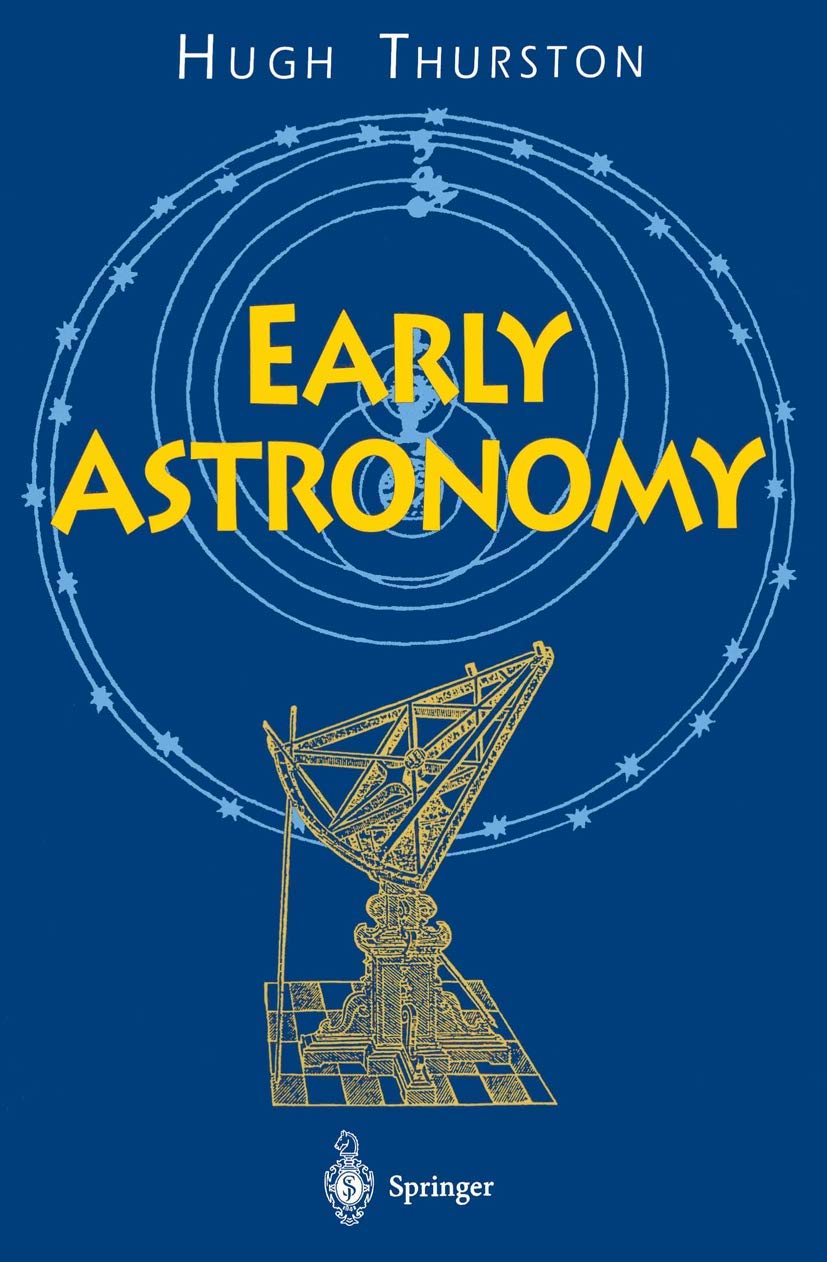
People must have watched the skies from time immemorial. Human beings have always shown intellectual curiosity in abundance, and before the invention of modern distractions people had more timeand more mental energyto devote to stargazing than we have. Megaliths, Chinese oracle bones, Babylonian clay tablets, and Mayan glyphs all yield evi dence of early peoples' interest in the skies. To understand early astronomy we need to be familiar with various phenomena that couldand still canbe seen in the sky. For instance, it seems that some early people were interested in the points on the horizon where the moon rises or sets and marked the directions of these points with megaliths. These directions go through a complicated cyclemuch more complicated than the cycle of the phases of the moon from new to full and back to new, and more complicated than the cycle of the rising and setting directions of the sun. Other peoples were interested in the irregular motions of the planets and in the way in which the times of rising of the various stars varied through the year, so we need to know about these phenomena, i. e. , about retrogression and about heliacal rising, to usc the technical terms. The book opens with an explanation of these matters. Early astronomers did more than just gaze in awe at the heavenly bodies; they tried to understand the complex details of their movements. By 300 H. C.
⚠️ WARNING (California Proposition 65):
This product may contain chemicals known to the State of California to cause cancer,
birth defects, or other reproductive harm.
For MAP (Minimum Advertised Price) violations and Intellectual Property (IP) or Trademark concerns, please contact:
support@ergodebooks.com
⚠️ California Proposition 65 Warning: Some products sold on this website may expose you to chemicals known to the State of California to cause cancer, birth defects, or other reproductive harm. For more information, visit www.P65Warnings.ca.gov.