
Title
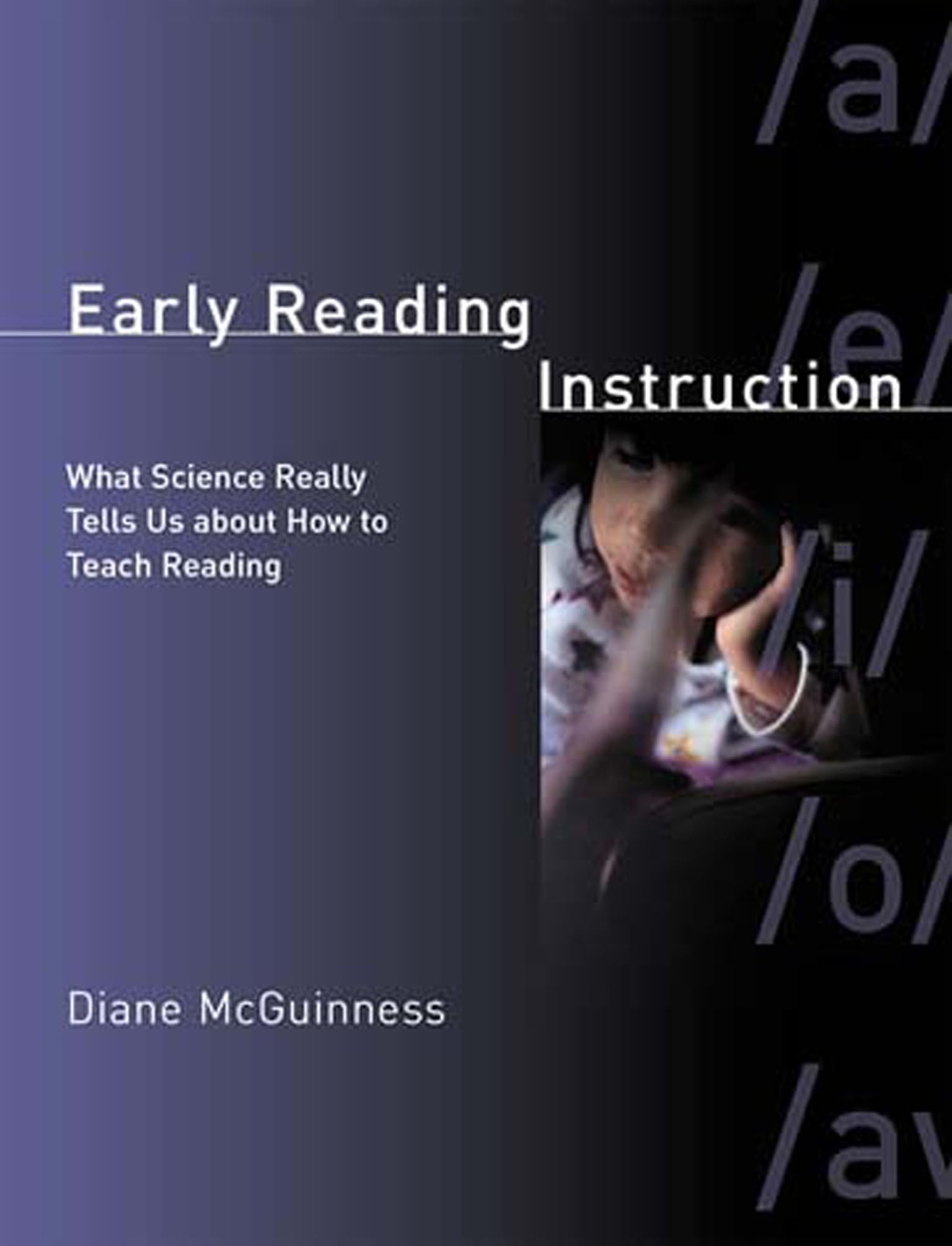
Early Reading Instruction: What Science Really Tells Us about How to Teach Reading,Used
Sold by Ergodebooks, an authorized reseller.
Returns accepted within 30 days | support@ergodebooks.com
Shipping Information
- Free Standard Shipping — United States only
- Processing Time: 3–5 business days
- Estimated Delivery: 6–10 business days after dispatch
- Double-boxed, fully insured & discreetly packaged
- Tracking number sent via email once dispatched
Returns & Refund
Returns accepted within 30 days of delivery.
Damaged or Defective Item
Free return shipping + replacement or full refund
Wrong Item Received
Free return shipping + replacement or full refund
Change of Mind
Return shipping at customer's expense · 25% restocking fee applies
Payment Option

Early Reading Instruction is a comprehensive analysis of the research evidence from early writing systems to computer models of reading. In this book, Diane McGuinness provides an innovative solution to the 'reading war'the centuryold debate over the efficacy of phonics (soundbased) versus wholeword (meaning based) methods. She has developed a prototypea set of elements that are critical to the success of a reading method.McGuinness shows that all writing systems, without exception, are based on a sound unit in the language. This fact, and other findings by paleographers, provides a platform for the prototype. Other elements of the prototype are based on modern research. For example, observational studies in the classroom show that time spent on three activities strongly predicts reading success: learning phoneme/symbol correspondences, practice at blending and segmenting phonemes in words, and copying/writing words, phrases, and sentences. Most socalled literacy activities have no effect, and some, like sight word memorization, have a strongly negative effect.The National Reading Panel (2000) summarized the research on reading methods after screening out thousands of studies that failed to meet minimum scientific standards. In an indepth analysis of this evidence, McGuinness shows that the most successful methods (children reading a year or more above age norms) include all the elements in the prototype. Finally, she argues, because phonicstype methods are consistently shown to be superior to wholeword methods in studies dating back to the 1960s, it makes no sense to continue this line of research. The most urgent question for future research is how to get the most effective phonics programs into the classroom.
⚠️ WARNING (California Proposition 65):
This product may contain chemicals known to the State of California to cause cancer, birth defects, or other reproductive harm.
For more information, please visit www.P65Warnings.ca.gov.
- Q: How many pages are in this book? A: This book has four hundred twenty-eight pages. It offers comprehensive insights into early reading instruction based on extensive research.
- Q: What is the binding type of the book? A: The book is paperback bound. This makes it lightweight and easy to handle for readers.
- Q: What are the dimensions of the book? A: The book measures eight point seven inches in length, six point six five inches in width, and zero point nine nine inches in height. These dimensions make it portable for reading anywhere.
- Q: What is the main theme of the book? A: The main theme focuses on effective methods for teaching reading. It contrasts phonics and whole-word approaches to literacy instruction.
- Q: Who is the author of this book? A: The author is Diane McGuinness. She is known for her expertise in reading instruction and educational research.
- Q: What age group is this book appropriate for? A: The book is suitable for educators, parents, and anyone interested in literacy development. It is not specifically targeted at children.
- Q: How can I apply the methods discussed in the book? A: You can apply the methods by incorporating phoneme/symbol correspondences, blending, and segmenting phonemes in your reading instruction. Observational studies support these practices for effective learning.
- Q: Is this book suitable for beginners in reading instruction? A: Yes, it is suitable for beginners. The book provides foundational knowledge and research-based methods to enhance reading instruction.
- Q: How do I keep the book in good condition? A: To keep the book in good condition, store it in a dry place away from direct sunlight. Avoid bending the cover or pages.
- Q: Are there any specific care instructions for this book? A: No specific care instructions are needed. Just handle the book gently and avoid exposure to moisture.
- Q: Can I return the book if I’m not satisfied? A: Yes, you can return the book if you are not satisfied. Check the retailer's return policy for specific details.
- Q: What if the book arrives damaged? A: If the book arrives damaged, contact the seller for a replacement or refund. Make sure to keep all packaging for the return process.
- Q: How does this book compare to other reading instruction books? A: This book is unique as it provides a research-focused analysis of reading methods. It specifically advocates for phonics-based approaches, unlike some other books that may support whole-word methods.
- Q: Is the book based on scientific research? A: Yes, it is based on extensive scientific research. The author reviews thousands of studies to support her findings on effective reading instruction.
- Q: What publisher released this book? A: The book is published by MIT Press. It is known for its academic and research-oriented publications.