If you have any questions, you are always welcome to contact us. We'll get back to you as soon as possible, withing 24 hours on weekdays.
Customer service
All questions about your order, return and delivery must be sent to our customer service team by e-mail at yourstore@yourdomain.com
Sale & Press
If you are interested in selling our products, need more information about our brand or wish to make a collaboration, please contact us at press@yourdomain.com
Help
If you have any questions, you are always welcome to contact us. We'll get back to you as soon as possible, withing 24 hours on weekdays.
Customer service
All questions about your order, return and delivery must be sent to our customer service team by e-mail at yourstore@yourdomain.com
Sale & Press
If you are interested in selling our products, need more information about our brand or wish to make a collaboration, please contact us at press@yourdomain.com
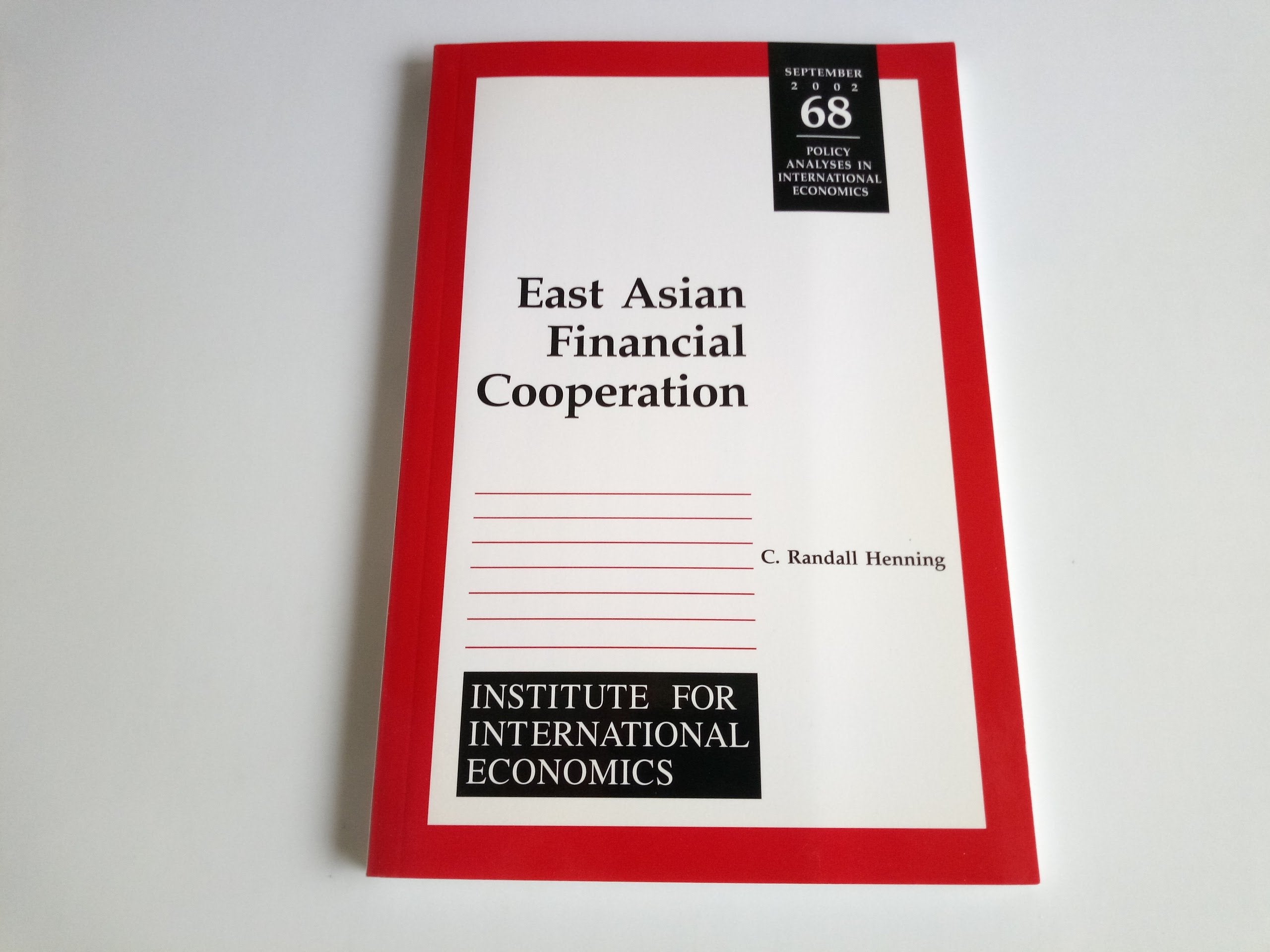
Since the financial crisis in the late 1990s, Asian governments have been considering strengthening regional monetary and financial cooperation. Proposals have ranged from the Asian Monetary Fund to common currencies. During the past two years, China, Japan, Korea, and the memberstates of ASEAN have established a set of financial facilities under an agreement made in Chiang Mai, Thailand. The Chiang Mai Initiative (CMI) mobilizes a portion of the very large reserve holdings of its members for financial stabilization in a crisis. Organized under the "ASEAN plus three" grouping, these arrangements do not include the United States or other countries outside the region.The CMI thus raises several important questions: Under what terms will financing be extended on a regional basis? Is it likely to stabilize or destabilize international capital flows? What will CMI's relationship be to the International Monetary Fund and other official financial institutions? How should governments build on these arrangements in the future? Could they provide the basis for broader integration of the East Asian region?This study examines the case for and against regional financial arrangements in East Asia, describes the CMI, compares it to financial arrangements in other regions, and recommends how the Initiative can preserve its complementarity to multilateral institutions and be strengthened in the future. The study specifically addresses the concerns of Americans, Europeans, and multilateral organizations, assessing the pros and cons of such regional financial arrangements for the global system.
⚠️ WARNING (California Proposition 65):
This product may contain chemicals known to the State of California to cause cancer,
birth defects, or other reproductive harm.
For MAP (Minimum Advertised Price) violations and Intellectual Property (IP) or Trademark concerns, please contact:
support@ergodebooks.com
⚠️ California Proposition 65 Warning: Some products sold on this website may expose you to chemicals known to the State of California to cause cancer, birth defects, or other reproductive harm. For more information, visit www.P65Warnings.ca.gov.