
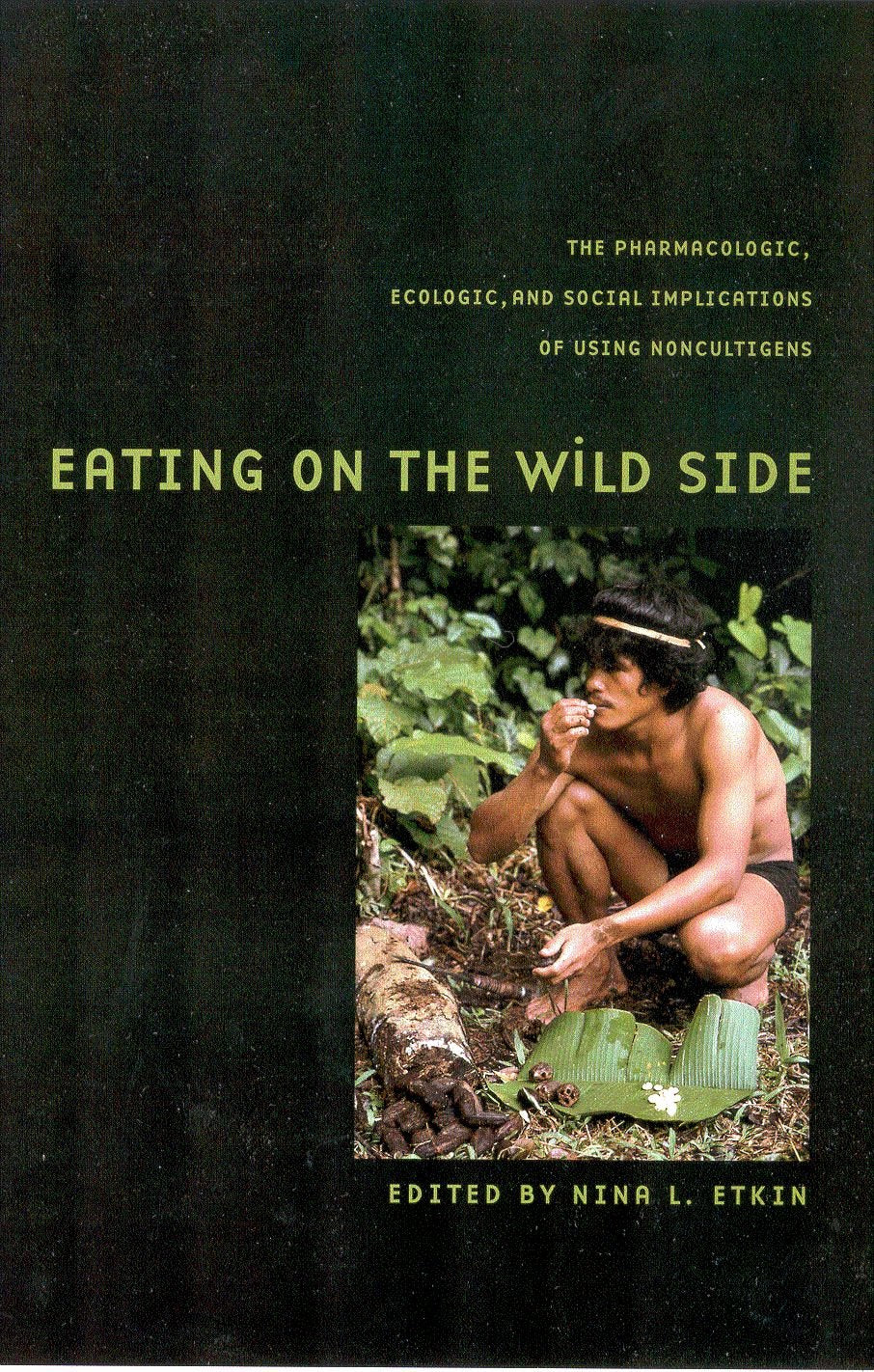
Eating On The Wild Side: The Pharmacologic, Ecologic, And Social Implications Of Using Noncultigens (Arizona Studies In Human Ec
$56.32
Title
Eating On The Wild Side: The Pharmacologic, Ecologic, And Social Implications Of Using Noncultigens (Arizona Studies In Human Ec
Free Standard Shipping Across USA
Quantity
Sold by Ergodebooks, an authorized reseller.
Returns accepted within 30 days | support@ergodebooks.com
Shipping Information
- Free Standard Shipping — United States only
- Processing Time: 3–5 business days
- Estimated Delivery: 6–10 business days after dispatch
- Double-boxed, fully insured & discreetly packaged
- Tracking number sent via email once dispatched
Returns & Refund
Returns accepted within 30 days of delivery.
Damaged or Defective Item
Free return shipping + replacement or full refund
Wrong Item Received
Free return shipping + replacement or full refund
Change of Mind
Return shipping at customer's expense · 25% restocking fee applies
All returns require a Return Authorization (RA) number before sending.
View Full Return & Refund Policy
Payment Option

Book By
⚠️ WARNING (California Proposition 65):
This product may contain chemicals known to the State of California to cause cancer, birth defects, or other reproductive harm.
For more information, please visit www.P65Warnings.ca.gov.
- Q: How many pages does this book have? A: This book has three hundred five pages. It provides a comprehensive exploration of wild plants and their significance in human ecology.
- Q: What is the binding type of this book? A: This book is hardcover. The durable binding ensures longevity, making it suitable for repeated readings.
- Q: What are the dimensions of this book? A: This book measures five point nine eight inches by ten point nine eight inches by nine point zero two inches. Its size is ideal for both reading and display.
- Q: Who is the author of 'Eating on the Wild Side'? A: The author is Nina L. Etkin. She is known for her work in cultural and biological anthropology.
- Q: What topics does this book cover? A: The book covers the pharmacologic, ecologic, and social implications of using noncultigens. It examines human-plant interactions and their cultural significance.
- Q: How do I read this book effectively? A: To read this book effectively, consider taking notes on key themes and concepts. Engaging with the content through discussions can also enhance understanding.
- Q: Is this book suitable for beginners in anthropology? A: Yes, this book is suitable for beginners. It presents complex ideas in an accessible manner, making it a good starting point for those new to anthropology.
- Q: What is the recommended age group for this book? A: This book is suitable for adults and older teens. It contains advanced concepts that require a certain level of maturity to fully appreciate.
- Q: How should I store this book? A: Store this book upright on a shelf in a cool, dry place. This will help preserve its condition and prevent damage.
- Q: Can I clean the book if it gets dirty? A: Yes, you can clean the book by gently wiping the cover with a dry cloth. Avoid using water or cleaning solutions that may damage the binding.
- Q: What if the book arrives damaged? A: If the book arrives damaged, you should contact the seller for a return or exchange. Most sellers have policies in place for damaged goods.
- Q: Is there a warranty for this book? A: No, books typically do not come with a warranty. However, check with the seller for their specific return and exchange policies.
- Q: How does this book compare to other anthropology books? A: This book offers a unique perspective on human-plant interactions, which may not be covered in other anthropology texts. It provides both theoretical and practical insights.
- Q: Is this book focused on a specific region? A: Yes, the book discusses various regions, including North America and Polynesia, highlighting cultural practices related to wild plant use.
- Q: What is the primary focus of the essays in this book? A: The primary focus is on the ecological and cultural implications of utilizing wild plants. The essays explore historical and contemporary practices among different societies.