
Title
Eating The Alphabet: Fruits & Vegetables From A To Z,New
Sold by Ergodebooks, an authorized reseller.
Returns accepted within 30 days | support@ergodebooks.com
Shipping Information
- Free Standard Shipping — United States only
- Processing Time: 3–5 business days
- Estimated Delivery: 6–10 business days after dispatch
- Double-boxed, fully insured & discreetly packaged
- Tracking number sent via email once dispatched
Returns & Refund
Returns accepted within 30 days of delivery.
Damaged or Defective Item
Free return shipping + replacement or full refund
Wrong Item Received
Free return shipping + replacement or full refund
Change of Mind
Return shipping at customer's expense · 25% restocking fee applies
Payment Option

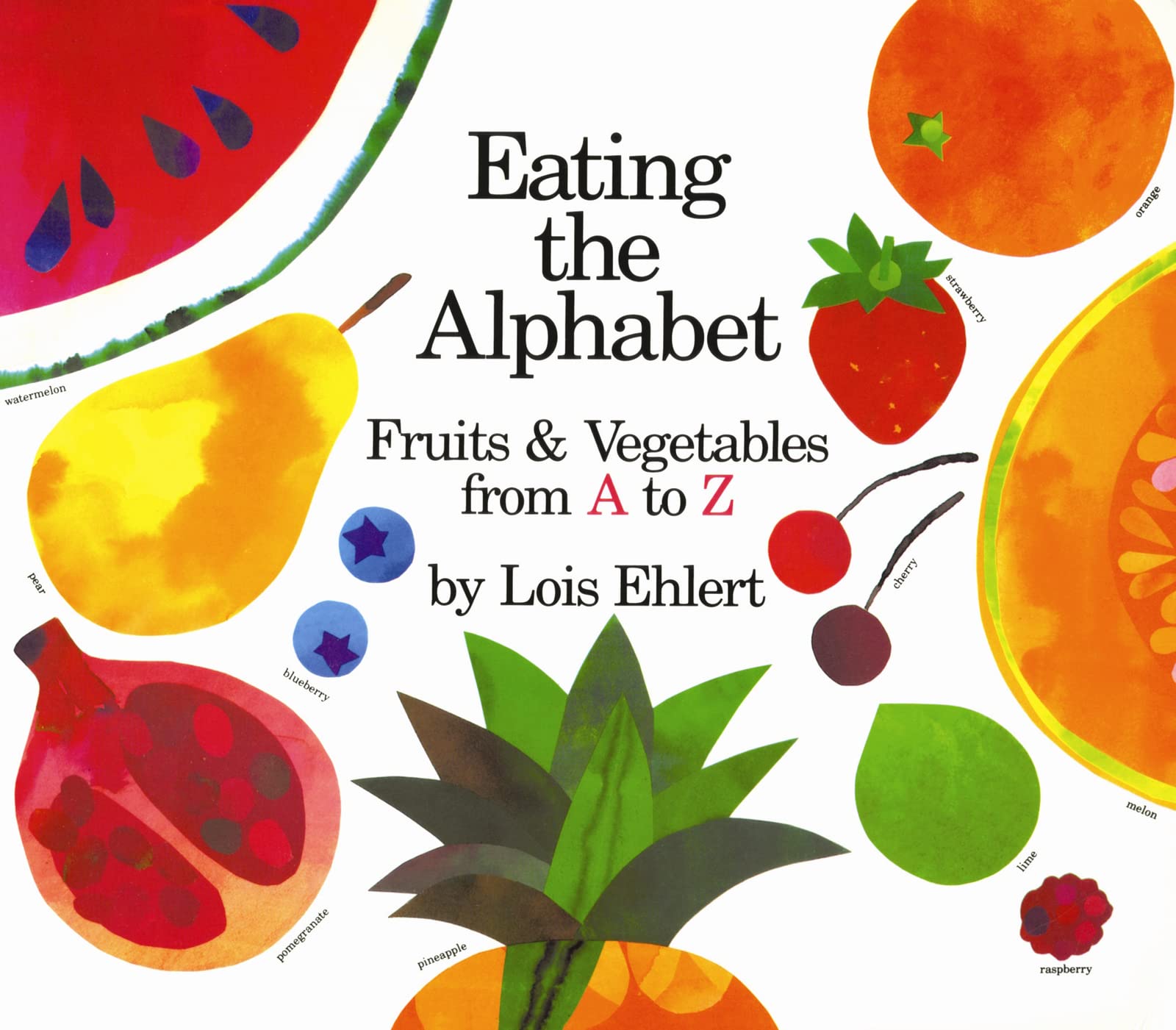
A Vibrant And Sturdy Word Book Starring Fruits And Vegetables From Around The World From Caldecott Honorwinning Authorillustrator Lois Ehlert. Features Upper And Lowercase Letters For Preschoolers Just Learning Language.Each Turn Of The Page Reveals A Mouthwatering Arrangement Of Foods: Indian Corn, Jalapeno, Jicama, Kumquat, Kiwifruit And Kohlrabi. Lois Ehlert'S Lively Watercolors Paired With Bold Easytoread Type Make For A Highly Appealing And Accessible Book For Parents And Children To Devour.At The End Of The Book, Ehlert Provides A Detailed Glossary That Includes Pronunciation, Botanical Information, The Origin And History Of The Particular Plant And Occasional Mythological References, With A Small Watercolor Picture To Remind The Reader Of What The Plant Looks Like.Apple To Zucchini,Come Take A Look.Start Eating Your Waythrough This Alphabet Book.
⚠️ WARNING (California Proposition 65):
This product may contain chemicals known to the State of California to cause cancer, birth defects, or other reproductive harm.
For more information, please visit www.P65Warnings.ca.gov.
- Q: What is the size of the book? A: The book measures ten point nine eight inches in length, eight point five inches in height, and zero point twelve inches in width. It's a compact and easy-to-handle size for young readers.
- Q: How many pages does 'Eating the Alphabet' have? A: The book contains forty pages. This length is ideal for maintaining the attention of preschoolers while providing ample content.
- Q: What type of binding does this book have? A: The book features a paperback binding. This makes it lightweight and flexible, perfect for young children to handle.
- Q: What age group is 'Eating the Alphabet' suitable for? A: This book is suitable for preschool-aged children. It is designed to support early language development with colorful illustrations and engaging text.
- Q: Can this book be used for teaching letters? A: Yes, it is specifically designed to teach both uppercase and lowercase letters. Each page showcases fruits and vegetables corresponding to each letter, making learning fun.
- Q: How can I use this book to enhance my child's vocabulary? A: You can use this book by reading it aloud with your child. Discussing the illustrations and the glossary at the end will also help expand their vocabulary.
- Q: Is the book safe for young children? A: Yes, the book is safe for young children. It has sturdy pages and is free from any hazardous materials, making it appropriate for preschool use.
- Q: How should I store this book? A: Store the book in a dry place away from direct sunlight. Keeping it in a bookcase or on a shelf will help maintain its condition.
- Q: Can I clean the pages of this book? A: No, the pages should not be cleaned with water or cleaning solutions. If they get dirty, gently wipe them with a dry cloth.
- Q: What if the book arrives damaged? A: If the book arrives damaged, you should contact the seller immediately for a return or exchange. Make sure to keep the original packaging for any return process.
- Q: Is there a glossary in the book? A: Yes, there is a detailed glossary at the end of the book. It includes pronunciation and botanical information about each fruit and vegetable featured.
- Q: How does this book compare to other alphabet books? A: This book stands out due to its vibrant illustrations and unique focus on fruits and vegetables. It combines learning the alphabet with nutritional education.
- Q: Is this book ideal for a gift? A: Yes, this book makes an excellent gift for young children. Its engaging illustrations and educational content are perfect for birthdays or holidays.
- Q: What makes this book appealing for both parents and children? A: Its lively watercolors and easy-to-read type make it appealing for children, while its educational value makes it a favorite among parents.
- Q: Does the book contain any mythological references? A: Yes, the glossary includes occasional mythological references related to the fruits and vegetables. This adds an interesting layer of cultural education.