
Title
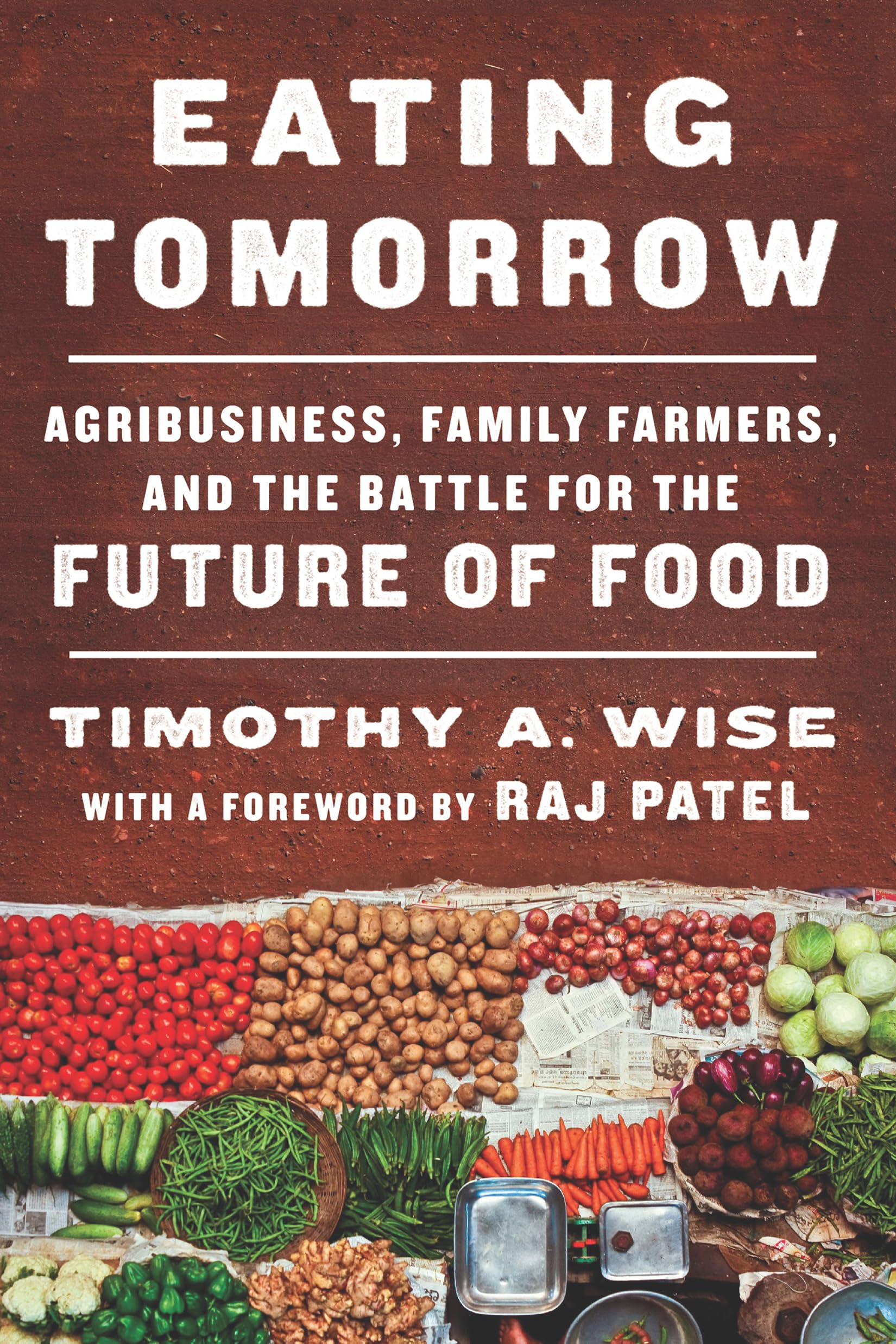
Eating Tomorrow: Agribusiness, Family Farmers, And The Battle For The Future Of Food
Processing time: 1-3 days
US Orders Ships in: 3-5 days
International Orders Ships in: 8-12 days
Return Policy: 15-days return on defective items
Payment Option

A Powerful Polemic Against Agricultural Technology.Naturea Major New Book That Shows The World Already Has The Tools To Feed Itself, Without Expanding Industrial Agriculture Or Adopting Genetically Modified Seeds, From The Small Planet Institute Expertfew Challenges Are More Daunting Than Feeding A Global Population Projected To Reach 9.7 Billion In 2050At A Time When Climate Change Is Making It Increasingly Difficult To Successfully Grow Crops. In Response, Corporate And Philanthropic Leaders Have Called For Major Investments In Industrial Agriculture, Including Genetically Modified Seed Technologies. Reporting From Africa, Mexico, India, And The United States, Timothy A. Wise'S Eating Tomorrow Discovers How In Country After Country Agribusiness And Its Wellheeled Philanthropic Promoters Have Hijacked Food Policies To Feed Corporate Interests.Most Of The World, Wise Reveals, Is Fed By Hundreds Of Millions Of Smallscale Farmers, People With Few Resources And Simple Tools But A Keen Understanding Of What And How To Grow Food. These Same Farmerswho Already Grow More Than 70 Percent Of The Food Eaten In Developing Countriescan Show The Way Forward As The World Warms And Population Increases. Wise Takes Readers To Remote Villages To See How Farmers Are Rebuilding Soils With Ecologically Sound Practices And Nourishing A Diversity Of Native Crops Without Chemicals Or Imported Seeds. They Are Growing More And Healthier Food; In The Process, They Are Not Just Victims In The Climate Drama But Protagonists Who Have Much To Teach Us All.
⚠️ WARNING (California Proposition 65):
This product may contain chemicals known to the State of California to cause cancer, birth defects, or other reproductive harm.
For more information, please visit www.P65Warnings.ca.gov.
- Q: What is the length and width of the book? A: The book measures five point five one inches in length and one inch in width. Its dimensions make it a portable and easy-to-handle read.
- Q: How many pages does 'Eating Tomorrow' have? A: The book contains two hundred fifty-six pages. This length provides ample space for exploring its in-depth discussions on agribusiness and sustainable farming.
- Q: What type of binding does this book have? A: The book features a hardcover binding. This durable design enhances its longevity and makes it suitable for repeated use.
- Q: How should I read this book? A: You can read this book at your own pace, ideally in a comfortable setting for better comprehension. It is suitable for readers interested in food science and sustainability.
- Q: Is 'Eating Tomorrow' suitable for students? A: Yes, this book is suitable for students, particularly those studying food science or environmental issues. It offers valuable insights into global food systems.
- Q: What age group is this book appropriate for? A: The book is recommended for young adults and older, due to its complex themes surrounding agribusiness and food policies. It may not be suitable for younger children.
- Q: How should I store this book? A: Store the book in a cool, dry place, away from direct sunlight. This will help preserve its binding and pages for years to come.
- Q: Is this book safe to handle for all ages? A: Yes, the book is safe to handle, but its content may not be appropriate for younger audiences. Parental discretion is advised.
- Q: How do I clean the book if it gets dirty? A: To clean the book, gently wipe the cover with a soft, damp cloth. Avoid using harsh chemicals that may damage the material.
- Q: What topics does 'Eating Tomorrow' cover? A: The book covers topics related to agribusiness, sustainable farming practices, and the impact of climate change on food production. It offers a critical view of current agricultural policies.
- Q: How does this book compare to other food science books? A: Unlike many food science books that focus solely on technology, 'Eating Tomorrow' emphasizes the importance of small-scale farmers and sustainable practices.
- Q: Is this book a good choice for someone interested in environmental issues? A: Yes, this book is an excellent choice for individuals interested in environmental issues, as it addresses the intersection of agriculture and climate change.
- Q: What makes 'Eating Tomorrow' unique? A: The book is unique in its perspective, showcasing the voices of small-scale farmers and highlighting their role in feeding the world sustainably.
- Q: Does the book include any illustrations or graphs? A: No, 'Eating Tomorrow' does not include illustrations or graphs. It focuses on textual analysis and narratives to convey its message.
- Q: What can I expect to learn from reading this book? A: Readers can expect to learn about agribusiness, the role of small farmers, and sustainable practices that can help address global food challenges.
- Q: Is there a return policy if I'm not satisfied with the book? A: Yes, most retailers offer a return policy if you're not satisfied. Be sure to check the specific return guidelines of the retailer from whom you purchased the book.