
Title
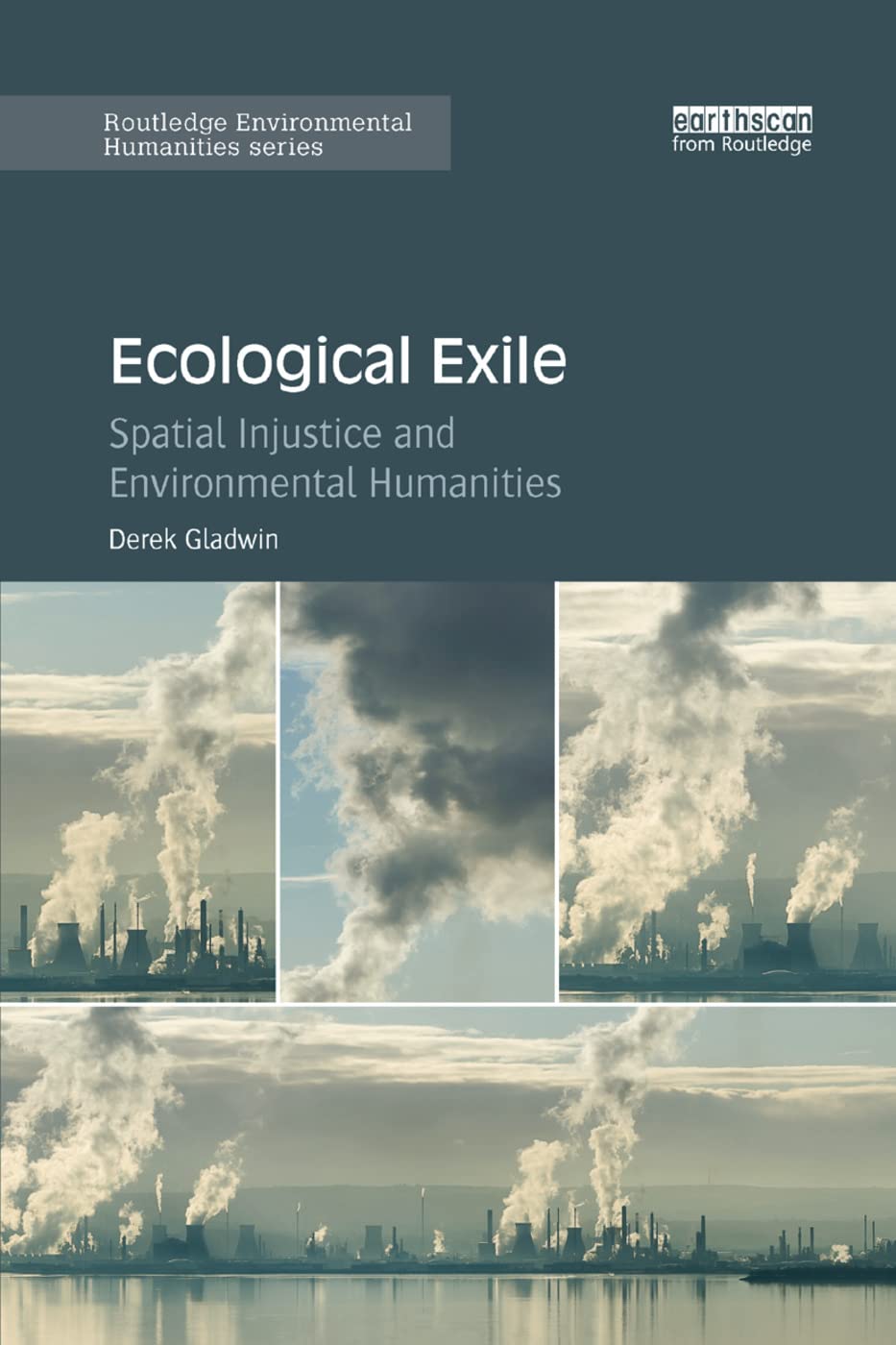
Ecological Exile: Spatial Injustice and Environmental Humanities (Routledge Environmental Humanities),New
Sold by Ergodebooks, an authorized reseller.
Returns accepted within 30 days | support@ergodebooks.com
Shipping Information
- Free Standard Shipping — United States only
- Processing Time: 3–5 business days
- Estimated Delivery: 6–10 business days after dispatch
- Double-boxed, fully insured & discreetly packaged
- Tracking number sent via email once dispatched
Returns & Refund
Returns accepted within 30 days of delivery.
Damaged or Defective Item
Free return shipping + replacement or full refund
Wrong Item Received
Free return shipping + replacement or full refund
Change of Mind
Return shipping at customer's expense · 25% restocking fee applies
Payment Option

Ecological Exile explores how contemporary literature, film, and media culture confront ecological crises through perspectives of spatial justice a facet of social justice that looks at unjust circumstances as a phenomenon of space. Growing instances of flooding, population displacement, and pollution suggest an urgent need to reexamine the ways social and geographical spaces are perceived and valued in the twentieth and twentyfirst centuries. Maintaining that ecological crises are largely socially produced, Derek Gladwin considers how British and Irish literary and visual texts by Ian McEwan, Sarah Gavron, Eavan Boland, John McGrath, and China Miville, among others, respond to and confront various spatial injustices resulting from fossil fuel production and the effects of climate change.This ambitious book offers a new spatial perspective in the environmental humanities by focusing on what the philosopher Glenn Albrecht has termed 'solastalgia' a feeling of homesickness caused by environmental damage. The result of solastalgia is that people feel paradoxically ecologically exiled in the places they continue to live because of destructive environmental changes. Gladwin skilfully traces spatially produced instances of ecological injustice that literally and imaginatively abolish peoples sense of place (or placehome). By looking at two of the most pressing social and environmental concerns oil and climate Ecological Exile shows how literary and visual texts have documented spatially unjust effects of solastalgia.This interdisciplinary book will appeal to students, scholars, and professionals studying literary, film, and media texts that draw on environment and sustainability, cultural geography, energy cultures, climate change, and social justice.
⚠️ WARNING (California Proposition 65):
This product may contain chemicals known to the State of California to cause cancer, birth defects, or other reproductive harm.
For more information, please visit www.P65Warnings.ca.gov.