
Title
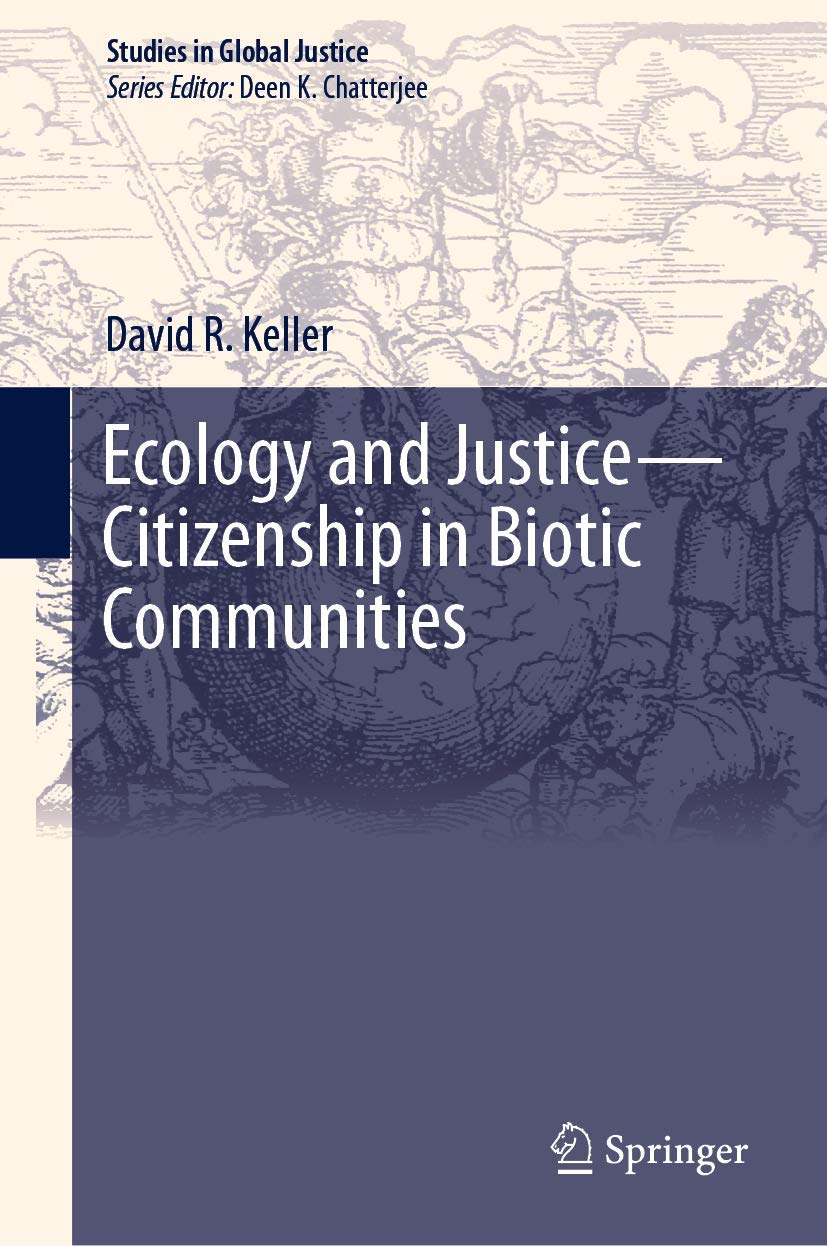
Ecology and JusticeCitizenship in Biotic Communities (Studies in Global Justice, 19),Used
Sold by Ergodebooks, an authorized reseller.
Returns accepted within 30 days | support@ergodebooks.com
Shipping Information
- Free Standard Shipping — United States only
- Processing Time: 3–5 business days
- Estimated Delivery: 6–10 business days after dispatch
- Double-boxed, fully insured & discreetly packaged
- Tracking number sent via email once dispatched
Returns & Refund
Returns accepted within 30 days of delivery.
Damaged or Defective Item
Free return shipping + replacement or full refund
Wrong Item Received
Free return shipping + replacement or full refund
Change of Mind
Return shipping at customer's expense · 25% restocking fee applies
Payment Option

This is the first book to outline a basic philosophy of ecology using the standard categories of academic philosophy: metaphysics, axiology, epistemology, aesthetics, ethics, and political philosophy. The problems of global justice invariably involve ecological factors. Yet the science of ecology is itself imbued with philosophical questions. Therefore, studies in ecological justice, the subdiscipline of global justice that relates to the interaction of human and natural systems, should be preceded by the study of the philosophy of ecology. This book enables the reader to access a philosophy of ecology and shows how this philosophy is inherently normative and provides tools for securing ecological justice. The moral philosophy of ecology directly addresses the root cause of ecological and environmental injustice: the violation of fundamental human rights caused by the inequitable distribution of the benefits (economies) and costs (diseconomies) of industrialism. Philosophy of ecology thus has implications for human rights, pollution, poverty, unequal access to resources, sustainability, consumerism, land use, biodiversity, industrialization, energy policy, and other issues of social and global justice. This book offers an historical and interdisciplinary exegesis. The analysis is situated in the context of the Western intellectual tradition, and includes great thinkers in the history of ecological thinking in the West from the natural sciences, social sciences and humanities.Keller asks the big questions and surveys answers with remarkable detail. Here is an insightful analysis of contemporary, classical, and ancient thought, alike in the ecological sciences, the humanities, and economics, the roots and fruits of our concepts of nature and of being in the world. Keller is unexcelled in bridging the is/ought gap, bridging nature and culture, and in celebrating the richness oflife, its pattern, process, and creativity on our wonderland Earth.Holmes Rolston, IIIUniversity Distinguished Professor, Colorado State UniversityAuthor of A New Environmental Ethics: The Next Millennium for Life on Earth (2012)Mentored by renowned ecologist Frank Golley and renowned philosopher Frederick Ferr, David Keller is well prepared to provide a deep history and a sweeping synthesis of the "idea of ecology"including the metaphysical, epistemological, and ethical aspects of that idea, as well as the scientific.J. Baird CallicottUniversity Distinguished Research Professor, University of North TexasAuthor of Thinking Like a Planet: The Land Ethic and the Earth Ethic (2013)
⚠️ WARNING (California Proposition 65):
This product may contain chemicals known to the State of California to cause cancer, birth defects, or other reproductive harm.
For more information, please visit www.P65Warnings.ca.gov.