
Title


Economic Thought and U.S. Climate Change Policy (American and Comparative Environmental Policy),Used
Sold by Ergodebooks, an authorized reseller.
Returns accepted within 30 days | support@ergodebooks.com
Shipping Information
- Free Standard Shipping — United States only
- Processing Time: 3–5 business days
- Estimated Delivery: 6–10 business days after dispatch
- Double-boxed, fully insured & discreetly packaged
- Tracking number sent via email once dispatched
Returns & Refund
Returns accepted within 30 days of delivery.
Damaged or Defective Item
Free return shipping + replacement or full refund
Wrong Item Received
Free return shipping + replacement or full refund
Change of Mind
Return shipping at customer's expense · 25% restocking fee applies
Payment Option

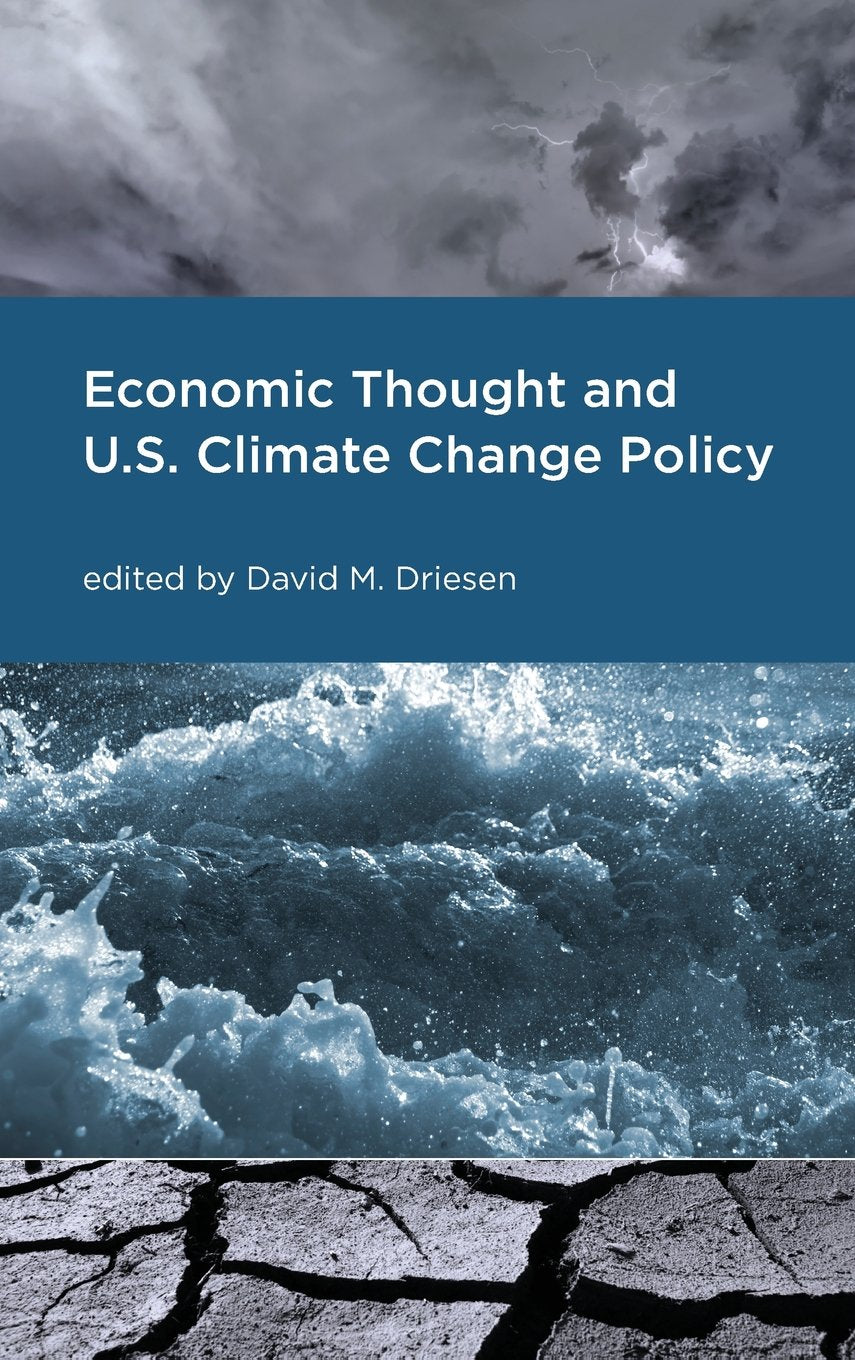
Experts examine how reliance on free markets contributed to the U.S. failure to address climate change and offer recommendations for new ideas to guide policy.The United States, once a world leader in addressing international environmental challenges, became a vigorous opponent of action on climate change over the past two decades, repudiating regulation and promoting only ineffectual voluntary actions to meet a growing global threat. Why has the United States failed so utterly to address the most pressing environmental issue of the age? This book argues that the failure arose from an unyielding ideological stance that embraced free markets and viewed government action as anathema. The most notorious result of this handsoff approach was the financial meltdown of late 2008; but strict reliance on free markets also hobbled government policymakers' response to the challenge of global warming. This book explores the relationship between freemarket fundamentalism and U.S. inaction on climate change and offers recommendations for new approaches that can lead to effective climatechange policy and improve enviromental, health, and safety policies in general. After describing the evolution of U.S. climate change policy and the influence of neoliberal economic thought, the book takes up the question of what ideas might supersede the neoliberal reliance on costbenefit analysis, overly broad marketbased mechanisms, and rejection of precautionary approaches and environmental justice concerns. With a new administration in Washington, the need for a new policy framework is acute; this book supplies a timely guide to the kinds of policies that are most promising.
⚠️ WARNING (California Proposition 65):
This product may contain chemicals known to the State of California to cause cancer, birth defects, or other reproductive harm.
For more information, please visit www.P65Warnings.ca.gov.