
Title
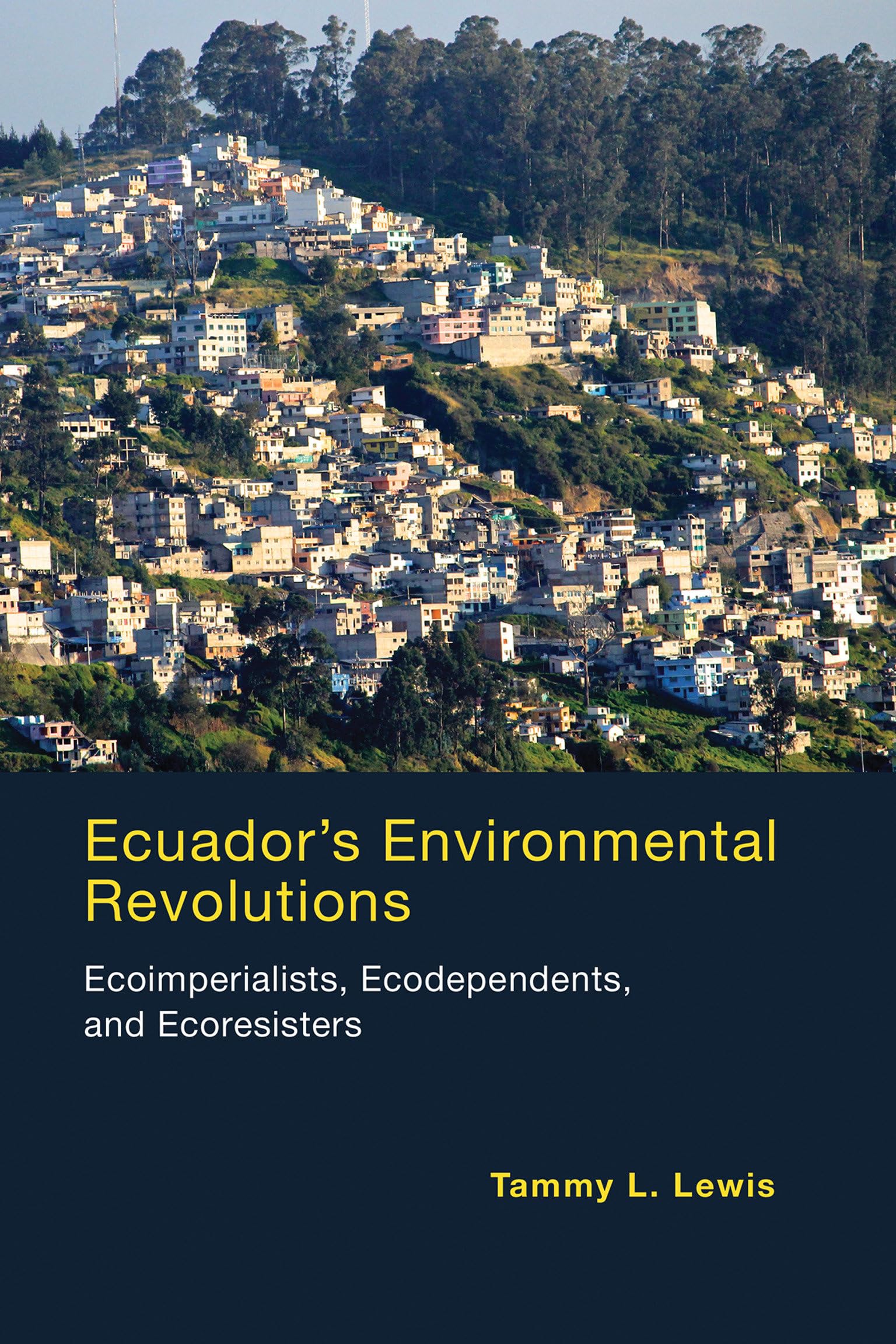
Ecuador's Environmental Revolutions: Ecoimperialists, Ecodependents, and Ecoresisters (Mit Press),Used
Sold by Ergodebooks, an authorized reseller.
Returns accepted within 30 days | support@ergodebooks.com
Shipping Information
- Free Standard Shipping — United States only
- Processing Time: 3–5 business days
- Estimated Delivery: 6–10 business days after dispatch
- Double-boxed, fully insured & discreetly packaged
- Tracking number sent via email once dispatched
Returns & Refund
Returns accepted within 30 days of delivery.
Damaged or Defective Item
Free return shipping + replacement or full refund
Wrong Item Received
Free return shipping + replacement or full refund
Change of Mind
Return shipping at customer's expense · 25% restocking fee applies
Payment Option

An account of the movement for sustainable development in Ecuador through four eras: movement origins, neoliberal boom, neoliberal bust, and citizens' revolution.Ecuador is biologically diverse, petroleum rich, and economically poor. Its extraordinary biodiversity has attracted attention and funding from such transnational environmental organizations as Conservation International, the World Wildlife Fund, and the United States Agency for International Development. In Ecuador itself there are more than 200 environmental groups dedicated to sustainable development, and the country's 2008 constitution grants constitutional rights to nature. The current leftist government is committed both to lifting its people out of poverty and pursuing sustainable development, but petroleum extraction is Ecuador's leading source of revenue. While extraction generates economic growth, which supports the state's social welfare agenda, it also causes environmental destruction. Given these competing concerns, will Ecuador be able to achieve sustainability? In this book, Tammy Lewis examines the movement for sustainable development in Ecuador through four eras: movement origins (1978 to 1987), neoliberal boom (1987 to 2000), neoliberal bust (2000 to 2006), and citizens' revolution (2006 to 2015).Lewis presents a typology of Ecuador's environmental organizations: ecoimperialists, transnational environmentalists from other countries; ecodependents, national groups that partner with transnational groups; and ecoresisters, homegrown environmentalists who reject the dominant development paradigm. She examines the interplay of transnational funding, the Ecuadorian environmental movement, and the state's environmental and development policies. Along the way, addressing literatures in environmental sociology, social movements, and development studies, she explores what configuration of forcespolitical, economic, and environmentalis most likely to lead to a sustainable balance between the social system and the ecosystem.
⚠️ WARNING (California Proposition 65):
This product may contain chemicals known to the State of California to cause cancer, birth defects, or other reproductive harm.
For more information, please visit www.P65Warnings.ca.gov.