
Title
Edo Kabuki In Transition: From The Worlds Of The Samurai To The Vengeful Female Ghost,New
Sold by Ergodebooks, an authorized reseller.
Returns accepted within 30 days | support@ergodebooks.com
Shipping Information
- Free Standard Shipping — United States only
- Processing Time: 3–5 business days
- Estimated Delivery: 6–10 business days after dispatch
- Double-boxed, fully insured & discreetly packaged
- Tracking number sent via email once dispatched
Returns & Refund
Returns accepted within 30 days of delivery.
Damaged or Defective Item
Free return shipping + replacement or full refund
Wrong Item Received
Free return shipping + replacement or full refund
Change of Mind
Return shipping at customer's expense · 25% restocking fee applies
Payment Option

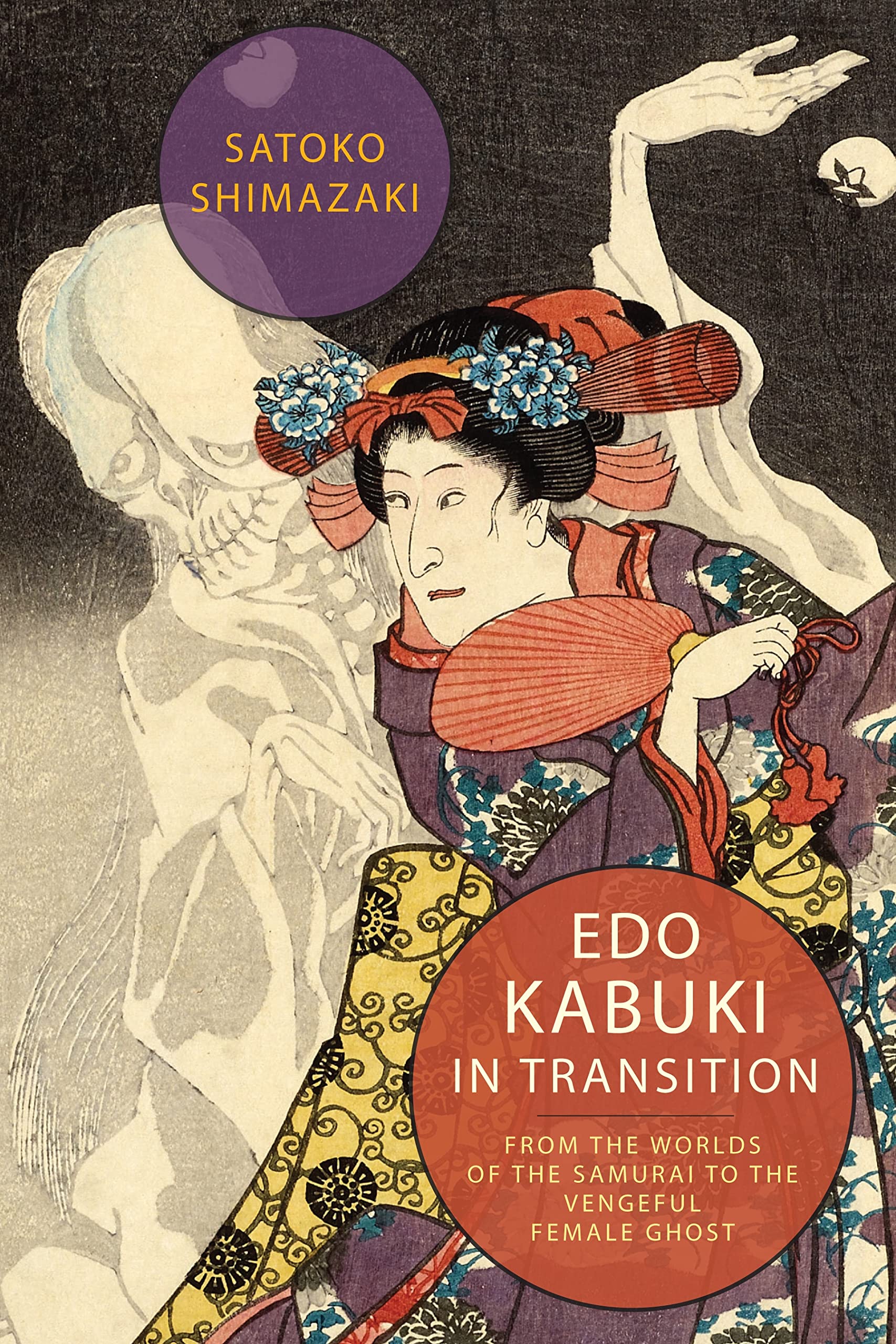
Satoko Shimazaki Revisits Three Centuries Of Kabuki Theater, Reframing It As A Key Player In The Formation Of An Early Modern Urban Identity In Edo Japan And Exploring The Process That Resulted In Its Recreation In Tokyo As A National Theatrical Tradition. Challenging The Prevailing Understanding Of Early Modern Kabuki As A Subversive Entertainment And A Threat To Shogunal Authority, Shimazaki Argues That Kabuki Instilled A Sense Of Shared History In The Inhabitants Of Edo (Presentday Tokyo) By Invoking 'Worlds,' Or Sekai, Derived From Earlier Military Tales, And Overlaying Them Onto The Present. She Then Analyzes The Profound Changes That Took Place In Edo Kabuki Toward The End Of The Early Modern Period, Which Witnessed The Rise Of A New Type Of Character: The Vengeful Female Ghost.Shimazaki'S Bold Reinterpretation Of The History Of Kabuki Centers On The Popular Ghost Play Tokaido Yotsuya Kaidan (The Eastern Seaboard Highway Ghost Stories At Yotsuya, 1825) By Tsuruya Nanboku Iv. Drawing Not Only On Kabuki Scripts But Also On A Wide Range Of Other Sources, From Theatrical Ephemera And Popular Fiction To Medical And Religious Texts, She Sheds Light On The Development Of The Ubiquitous Trope Of The Vengeful Female Ghost And Its Illumination Of New Themes At A Time When The Samurai World Was Losing Its Relevance. She Explores In Detail The Process By Which Nineteenthcentury Playwrights Began Dismantling The Edo Tradition Of 'Presenting The Past' By Abandoning Their Longstanding Reliance On The Sekai. She Then Reveals How, In The 1920S, A New Generation Of Kabuki Playwrights, Critics, And Scholars Reinvented The Form Again, 'Textualizing' Kabuki So That It Could Be Pressed Into Service As A Guarantor Of National Identity.
⚠️ WARNING (California Proposition 65):
This product may contain chemicals known to the State of California to cause cancer, birth defects, or other reproductive harm.
For more information, please visit www.P65Warnings.ca.gov.
- Q: How many pages does this book have? A: This book has three hundred ninety-two pages. It offers a comprehensive exploration of kabuki theater and its historical significance.
- Q: What are the dimensions of the book? A: The book measures six inches in length, one inch in width, and nine point zero two inches in height. These dimensions make it a standard size for paperback books.
- Q: What is the binding type of this book? A: The book is paperback bound. This binding type is common for academic and historical texts, providing flexibility and portability.
- Q: Who is the author of this book? A: The author is Satoko Shimazaki. She is known for her scholarly work on kabuki and Japanese theater.
- Q: What genre does this book belong to? A: This book belongs to the genre of History and Criticism. It delves into the cultural and historical aspects of kabuki theater.
- Q: Is this book suitable for beginners in theater studies? A: Yes, this book is suitable for beginners. It provides a clear introduction to kabuki theater and its evolution in Japan.
- Q: What themes are explored in this book? A: The book explores themes of identity, history, and the representation of female characters in kabuki. It focuses on the transition of kabuki through different historical periods.
- Q: How can I use this book for research? A: You can use this book as a foundational text for research on kabuki theater. It includes references to various sources and historical contexts.
- Q: What is the target audience for this book? A: The target audience includes students, researchers, and theater enthusiasts. It offers valuable insights for anyone interested in Japanese culture.
- Q: What is the recommended reading level for this book? A: The recommended reading level is for high school students and above. It contains complex themes suitable for an academic audience.
- Q: How should I care for this book? A: To care for this book, store it upright in a dry place. Avoid exposure to direct sunlight, which can fade the cover and pages.
- Q: Is there any specific way to clean this book? A: Yes, avoid using water or cleaning solutions. Instead, gently dust the cover with a dry cloth to maintain its condition.
- Q: Can this book be returned if damaged? A: Yes, the book can be returned if it arrives damaged. Check the seller's return policy for specific instructions on the return process.
- Q: What if I have issues with the delivery of this book? A: If you experience issues with the delivery, contact the seller immediately. They can assist with tracking or resolving delivery problems.
- Q: Are there any similar books to this one? A: Yes, similar books include those on Japanese theater and cultural history. Look for titles that focus on kabuki or the Edo period for comparable insights.
- Q: Is this book available in digital format? A: Availability in digital format may vary by retailer. Check online platforms for an eBook version of this title.