
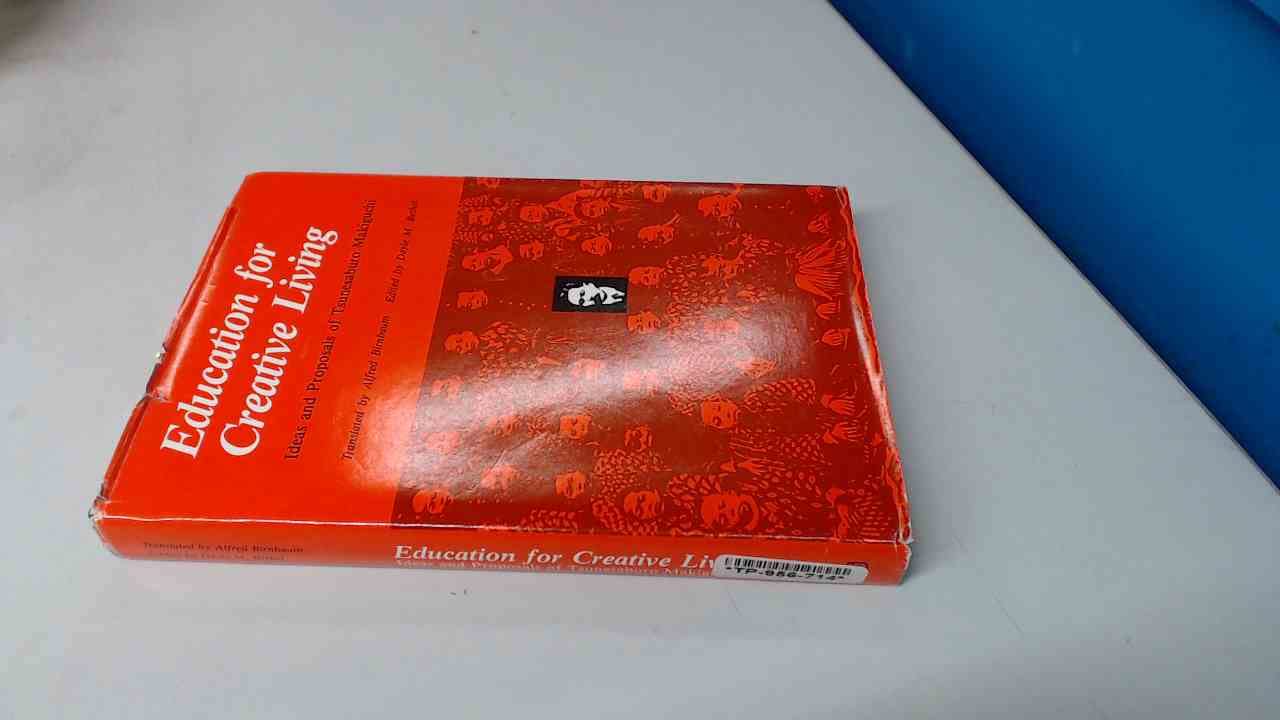
Education for Creative Living: Ideas and Proposals of Tsunesaburo Makiguch (English and Japanese Edition),Used
$114.13
Title
Education for Creative Living: Ideas and Proposals of Tsunesaburo Makiguch (English and Japanese Edition),Used
Free Standard Shipping Across USA
Quantity
Sold by Ergodebooks, an authorized reseller.
Returns accepted within 30 days | support@ergodebooks.com
Shipping Information
- Free Standard Shipping — United States only
- Processing Time: 3–5 business days
- Estimated Delivery: 6–10 business days after dispatch
- Double-boxed, fully insured & discreetly packaged
- Tracking number sent via email once dispatched
Returns & Refund
Returns accepted within 30 days of delivery.
Damaged or Defective Item
Free return shipping + replacement or full refund
Wrong Item Received
Free return shipping + replacement or full refund
Change of Mind
Return shipping at customer's expense · 25% restocking fee applies
All returns require a Return Authorization (RA) number before sending.
View Full Return & Refund Policy
Payment Option

paperback book on the Education philosophy of Tsunesaburo Makiguchi, in English
⚠️ WARNING (California Proposition 65):
This product may contain chemicals known to the State of California to cause cancer, birth defects, or other reproductive harm.
For more information, please visit www.P65Warnings.ca.gov.
- Q: What is the binding type of this book? A: This book has a hardcover binding. Hardcover books are known for their durability and can withstand frequent use.
- Q: How many pages does the book have? A: The book contains two hundred twenty-seven pages. This length allows for a comprehensive exploration of Tsunesaburo Makiguchi's educational philosophy.
- Q: What languages is this book available in? A: This book is available in English and Japanese. This bilingual format caters to a wider audience interested in Makiguchi's ideas.
- Q: What is the primary focus of this book? A: The book focuses on the educational philosophy of Tsunesaburo Makiguchi. It provides insights into his ideas and proposals for creative living.
- Q: Is this book suitable for educators? A: Yes, this book is suitable for educators. It offers valuable perspectives on educational practices and philosophies that can enhance teaching methods.
- Q: What age group is this book appropriate for? A: This book is appropriate for adults and older students. It delves into complex educational theories that may resonate more with mature readers.
- Q: How should I store this book to keep it in good condition? A: Store this book in a cool, dry place away from direct sunlight. Keeping it upright on a shelf can prevent damage to the spine.
- Q: Can I clean the book if it gets dirty? A: Yes, you can gently wipe the book cover with a dry cloth. Avoid using water or cleaning solutions that may damage the pages.
- Q: What should I do if my book arrives damaged? A: If your book arrives damaged, contact the seller for a return or exchange. Most sellers have policies in place to handle such issues.
- Q: Is there a money-back guarantee for this book? A: Yes, many sellers offer a money-back guarantee. Check the specific return policy before purchasing to ensure you are covered.
- Q: How does this book compare to other educational philosophy books? A: This book stands out for its focus on Tsunesaburo Makiguchi's unique ideas. Readers looking for innovative educational theories will find it particularly valuable.
- Q: Is this book good for beginners in educational philosophy? A: Yes, this book can be a good introduction for beginners. It presents Makiguchi's ideas in an accessible manner that encourages further exploration.
- Q: What unique perspectives does Makiguchi offer in this book? A: Makiguchi emphasizes the importance of creativity in education. His proposals encourage educators to foster a more engaging and dynamic learning environment.
- Q: Can I use this book for a teaching curriculum? A: Yes, this book can be integrated into a teaching curriculum. Its insights can enhance discussions on educational practices and philosophies.
- Q: Are there any specific themes explored in this book? A: Yes, themes of creativity, human development, and social responsibility are explored. These concepts are central to Makiguchi's educational philosophy.