
Title
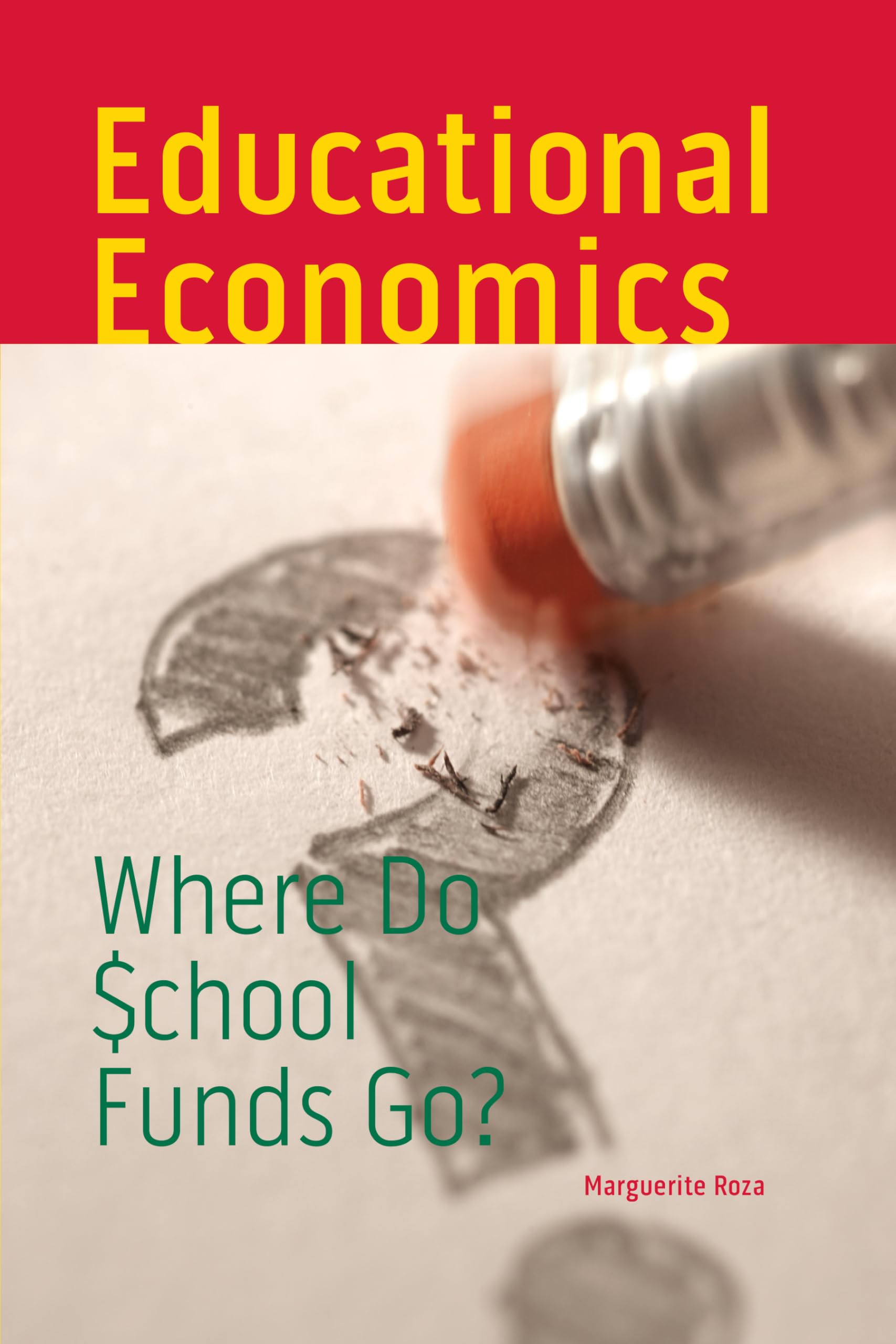
Educational Economics: Where Do School Funds Go? (Urban Institute Press)
Sold by Ergodebooks, an authorized reseller.
Returns accepted within 30 days | support@ergodebooks.com
Shipping Information
- Free Standard Shipping — United States only
- Processing Time: 3–5 business days
- Estimated Delivery: 6–10 business days after dispatch
- Double-boxed, fully insured & discreetly packaged
- Tracking number sent via email once dispatched
Returns & Refund
Returns accepted within 30 days of delivery.
Damaged or Defective Item
Free return shipping + replacement or full refund
Wrong Item Received
Free return shipping + replacement or full refund
Change of Mind
Return shipping at customer's expense · 25% restocking fee applies
Payment Option

Imagine If A School Were To Spend More Per Pupil On Ceramics Electives Than Core Science Classes. What If A District Were To Push More Funding To Wealthy Neighborhoods Than To Impoverished Ones? Such Policies Would Provoke Outrage. Yet These Schools And Districts Are Real.Today'S Taxpayers Spend Almost $9,000 Per Pupil, Roughly Double What They Spent 30 Years Ago, And Educational Achievement Doesn'T Seem To Be Improving. With The Movement Toward Holding Schools And Districts Accountable For Student Outcomes, We Might Think That Officials Can Precisely Track How Much They Are Spending Per Student, Per Program, Per School. But Considering The Patchwork That Is School Financefederal Block Funding, Foundation Grants, Earmarks, Setasides, And Union Mandatesfunds Can Easily Be Diverted From Where They Are Most Needed.Educational Economics: Where Do School Funds Go? Examines Education Finance From The School S Vantage Point, Explaining How The Varied Funding Streams Can P
⚠️ WARNING (California Proposition 65):
This product may contain chemicals known to the State of California to cause cancer, birth defects, or other reproductive harm.
For more information, please visit www.P65Warnings.ca.gov.
- Q: How many pages does the book have? A: The book has one hundred twenty-six pages. This concise length allows for a focused exploration of educational economics.
- Q: What is the binding type of this book? A: The book is a paperback edition. This makes it lightweight and easy to handle, ideal for casual reading.
- Q: Who is the author of 'Educational Economics: Where Do School Funds Go?' A: The author is Marguerite Roza. She provides insights into school finance and funding allocation.
- Q: What is the primary focus of this book? A: The book examines how school funding is allocated and spent. It addresses issues of equity and transparency in educational finance.
- Q: Is this book suitable for educators? A: Yes, this book is highly suitable for educators. It provides valuable insights into funding practices that impact student outcomes.
- Q: Can parents benefit from reading this book? A: Yes, parents can gain a better understanding of school funding issues. This knowledge can empower them to advocate for equitable funding.
- Q: How should I store this book to keep it in good condition? A: Store the book in a cool, dry place away from direct sunlight. This will help preserve its condition and prevent fading.
- Q: Is there any specific care needed for this paperback book? A: No special care is required for this paperback book. Just handle it carefully to avoid creasing the cover or pages.
- Q: What if the book arrives damaged? A: If the book arrives damaged, you should contact the seller for a return or replacement. Most sellers have policies in place for such issues.
- Q: Does this book provide solutions to funding issues? A: Yes, it discusses various funding issues and suggests ways to improve accountability. This can be useful for policymakers and educators alike.
- Q: Is this book appropriate for students to read? A: Yes, it is appropriate for high school students and above. The content is accessible and relevant for those studying economics or education.
- Q: What genre does this book fall under? A: This book falls under the genre of Urban Planning and Development. It addresses critical topics in educational finance.
- Q: Are there any illustrations in the book? A: No, the book does not contain illustrations. It focuses on text-based analysis and data regarding school funding.
- Q: How can this book help policymakers? A: This book provides insights into funding allocation, which can inform better policy decisions. Understanding these dynamics is crucial for effective governance.
- Q: Is the author an expert in the field of education finance? A: Yes, Marguerite Roza is recognized as an expert in education finance. Her research and publications contribute to the field significantly.