If you have any questions, you are always welcome to contact us. We'll get back to you as soon as possible, withing 24 hours on weekdays.
Customer service
All questions about your order, return and delivery must be sent to our customer service team by e-mail at yourstore@yourdomain.com
Sale & Press
If you are interested in selling our products, need more information about our brand or wish to make a collaboration, please contact us at press@yourdomain.com
Help
If you have any questions, you are always welcome to contact us. We'll get back to you as soon as possible, withing 24 hours on weekdays.
Customer service
All questions about your order, return and delivery must be sent to our customer service team by e-mail at yourstore@yourdomain.com
Sale & Press
If you are interested in selling our products, need more information about our brand or wish to make a collaboration, please contact us at press@yourdomain.com
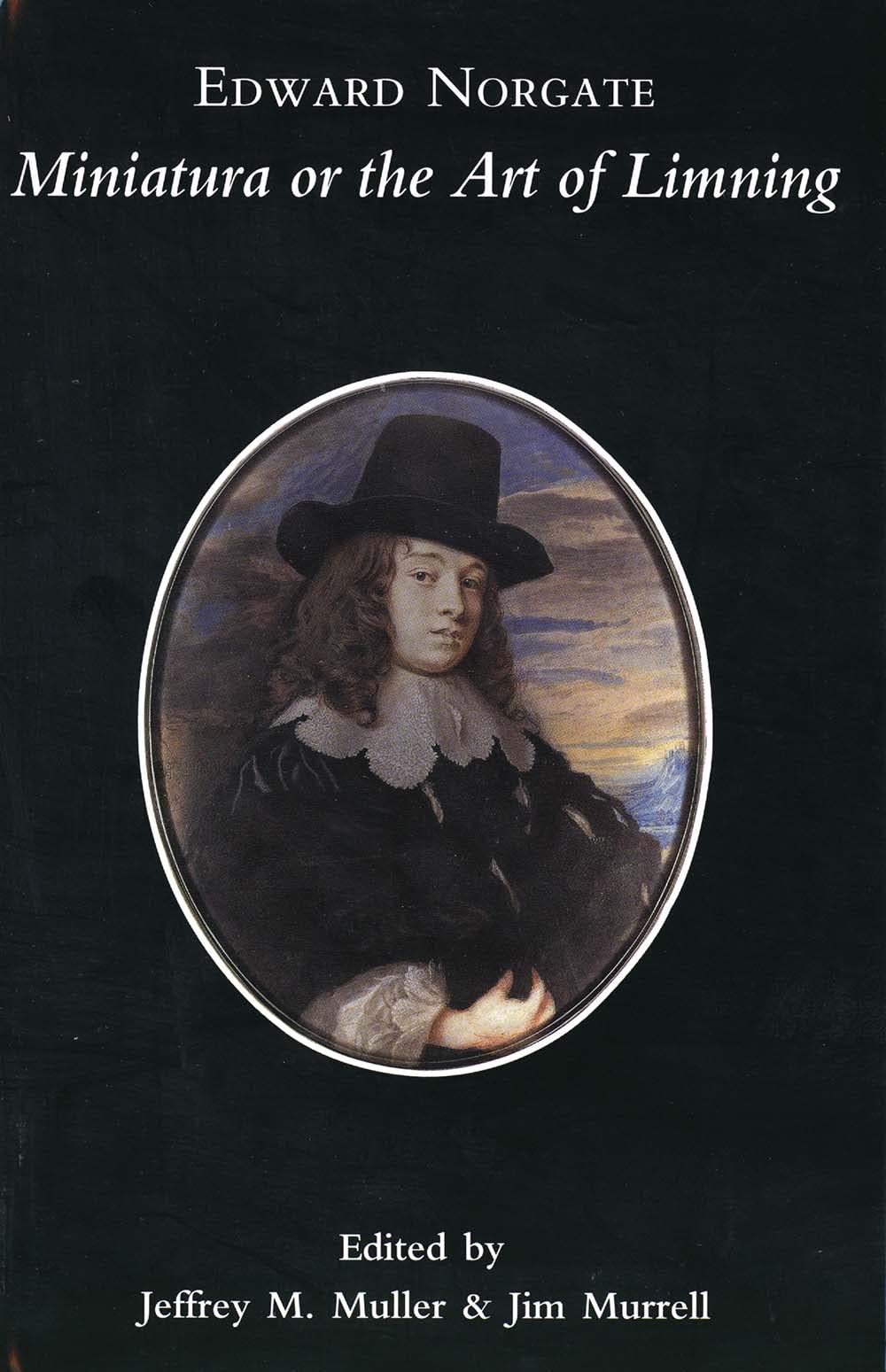
Edward Norgate, aristocratic friend of Charles I and the Earl of Arundel, made his mark in seventeenthcentury England as musician, herald, and courtier. He also wrote Miniatura, a widely circulated study of miniature painting in his era that serves today as both a guide to materials and techniques and a record of the artistic knowledge and taste of Charles' court. This new edition of Norgate's treatise, the first since 1919, introduces and fully annotates the text from technical and art historical perspectives, firmly establishing the prime importance of Norgate's work.The book provides a detailed account of Norgate's life and many interests, his readership, and his technique. The editorsa noted scholar of seventeenthcentury art and an authority on the techniques and materials of miniature paintingclosely examine Norgate's text and compare it with other contemporary treatises, placing his techniques in the context of the period. The treatise itself, first written in 162728 and then substantially revised in 1648, sets forth in great detail the methods of English miniaturists, from the composition and preparation of pigments and brushes to lighting in the studio. Norgate acknowledges indebtedness to Hilliard, comments on other artists' styles and techniques, and reveals through his own views the English aristocracy's interest in and assimilation of European artistic culture.Published for the Paul Mellon Center for Studies in British Art
⚠️ WARNING (California Proposition 65):
This product may contain chemicals known to the State of California to cause cancer,
birth defects, or other reproductive harm.
For MAP (Minimum Advertised Price) violations and Intellectual Property (IP) or Trademark concerns, please contact:
support@ergodebooks.com
⚠️ California Proposition 65 Warning: Some products sold on this website may expose you to chemicals known to the State of California to cause cancer, birth defects, or other reproductive harm. For more information, visit www.P65Warnings.ca.gov.